
Back to blog
Article
Investment Invitation for Container Mobile Houses
Admin September 15, 2026
When inviting investment for container mobile houses, it is essential to focus on three core dimensions: the adaptability of product types, the qualifications and customization capabilities of manufacturers, and industry trends and policy orientations. The following provides an analysis from specific perspectives:
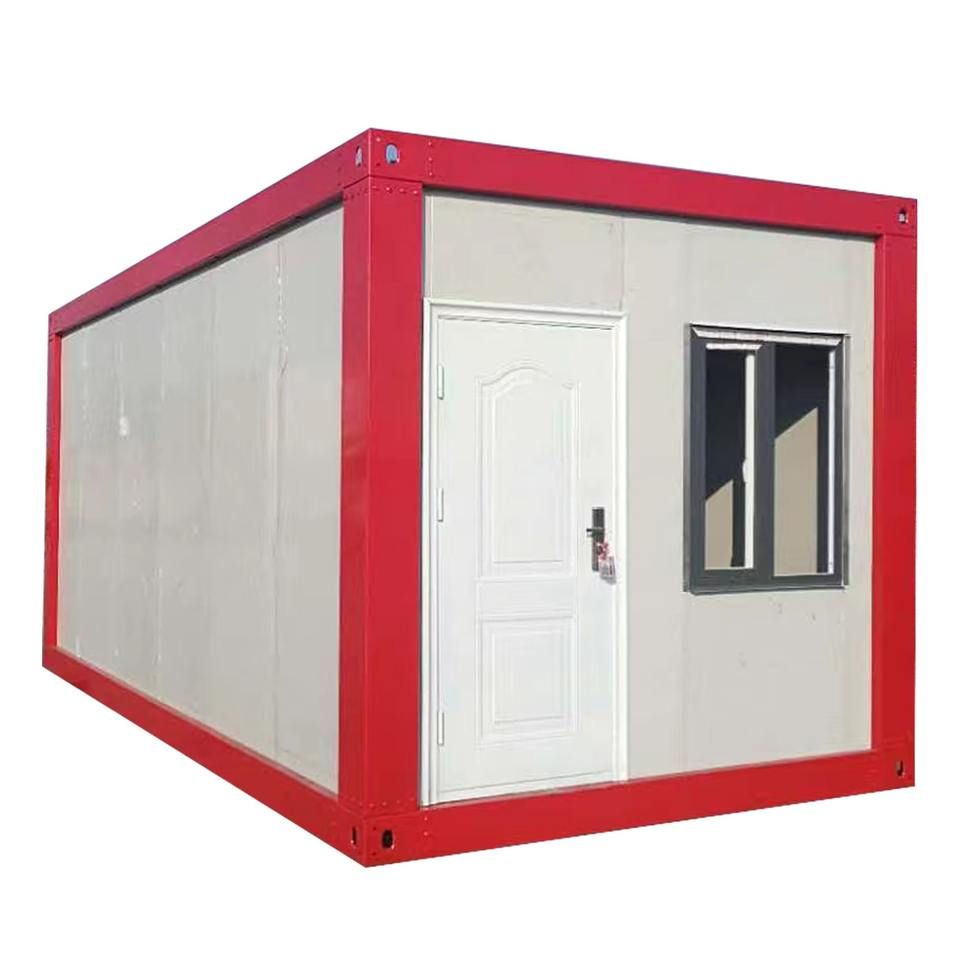
I. Clarifying the Match between Target Scenarios and Product Types
Container mobile houses can be divided into four major categories based on their structure and purpose:
- Container-style office houses: Using standard containers as carriers, common sizes are 20 feet and 40 feet. They support single-container or multi-container assembly, are structurally robust, and easy to transport, making them suitable for project departments and construction site command centers.
- Foldable office houses: These adopt a foldable structure, compressing in volume during transportation. A single set can be unfolded within 30 minutes, making them ideal for exploration teams and temporary command posts that require frequent relocation.
- Assembled office houses: Combining light steel frames with color-coated steel sheets, they are modularly assembled on-site and can be flexibly expanded according to the number of occupants and functional divisions. They are commonly found in temporary offices in industrial parks and event planning sites.
- Expandable office houses: These add lateral or end expansion modules to containers, increasing usable area by 30%-50% when unfolded. They are suitable for long-term on-site offices with high requirements for spatial comfort.
When inviting investment, it is crucial to select appropriate product types based on the mainstream demands of the target market (such as cultural tourism, engineering, and emergency response) to avoid blind investment.
II. Screening Manufacturers with Core Competitiveness
- Process Performance: Prioritize manufacturers that adopt welding-free quick assembly processes, have low disassembly and assembly losses, and maintain structural stability after multiple relocations. For example, leading manufacturers' products can be disassembled and reused an average of more than 8 times, reducing construction waste emissions by approximately 90% compared to traditional fixed temporary buildings.
- Compliance Services: Verify manufacturers' qualifications (such as National High-Tech Enterprise Certification and international management system certifications), domestic and foreign certifications (such as CE Certification), and their project delivery and after-sales implementation capabilities. For instance, Sichuan KuaiZhu Integrated Housing Co., Ltd. holds over 30 utility model patents and 3 invention patents, with its products passing the three major international management system certifications.
- Scenario Adaptability: Pay attention to manufacturers' customization flexibility and multi-scenario adaptability. For example, Jiangmen Zhongshun Portable Container Co., Ltd. offers comprehensive solutions ranging from temporary dormitories to container hotels, supporting personalized functional modifications.
III. Grasping Industry Trends and Policy Orientations
- Low-Carbon Circulation: The entire lifecycle of low-carbon circulation has become the mainstream direction, with the popularity of compliant products that support multiple disassembly and reuse cycles gradually increasing. When inviting investment, priority should be given to products that align with green construction policy orientations to reduce long-term operational costs.
- Cross-Scenario Versatility: High-quality modular products can adapt to diverse scenarios such as engineering camps, mobile commerce, cultural tourism accommodations, and emergency support through modular assembly, personalized facade customization, and internal functional modifications, enhancing market competitiveness.
- Compliance and Scenario-Based Development: The industry is entering a stage of refinement, low-carbonization, compliance, and scenario-based development. It is necessary to pay attention to whether manufacturers possess cross-border export qualifications and low-carbon attribute certifications to meet overseas market demands.
Related
You may also like

25Oct
Portable Toilet Eco-Friendly Custom & OEM: Design & Bulk Production Guide
Read More
25Oct
How to Assemble & Install Container House Step by Step
Read More
25Oct
Portable Toilet Eco-Friendly in 2026: Buying Guide & Recommendations
Read More
25Oct