Container Houses Are the Future Trend
Container houses are gradually becoming a new trend in future living, driven by the combined forces of environmental protection needs, living transformation, and design innovation.

1. Environmental Protection Concept Drives Resource Recycling
Every year, a large number of shipping containers are retired globally. Direct melting and recycling of these containers consume significant amounts of energy and generate carbon emissions. Transforming them into buildings enables resource reuse and reduces environmental damage caused by traditional building material production. For example, converting a standard container can save approximately 3.5 tons of steel and reduce carbon emissions by about 60%. This “turning waste into treasure” model aligns with sustainable development goals and serves as the core driving force for its popularity.
2. Flexibility in Meeting Diverse Living Needs
Amidst tight urban land resources and high housing prices, container houses stand out with their low cost and high flexibility. Their modular design allows for rapid assembly and disassembly, with construction periods more than 50% shorter than traditional buildings. Additionally, their strong mobility makes them suitable for various scenarios, such as temporary housing, scenic area campsites, and field exploration stations. For instance, in emergency disaster relief, container houses can be deployed within 72 hours to provide safe shelter for affected individuals. Moreover, their initial cost is only 30%-50% of that of traditional housing, making them suitable for budget-constrained groups.
3. Design Innovation Breaks Through Spatial Limitations
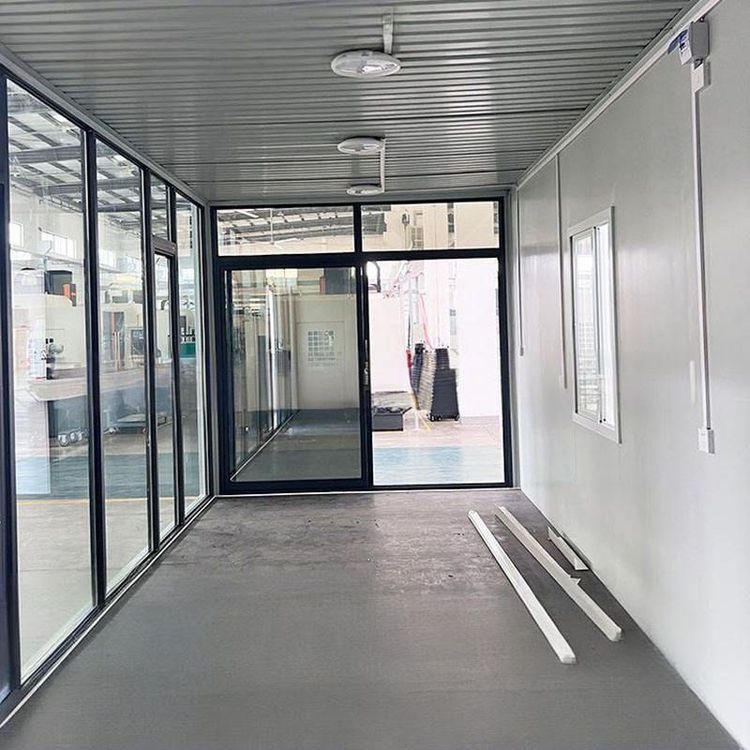
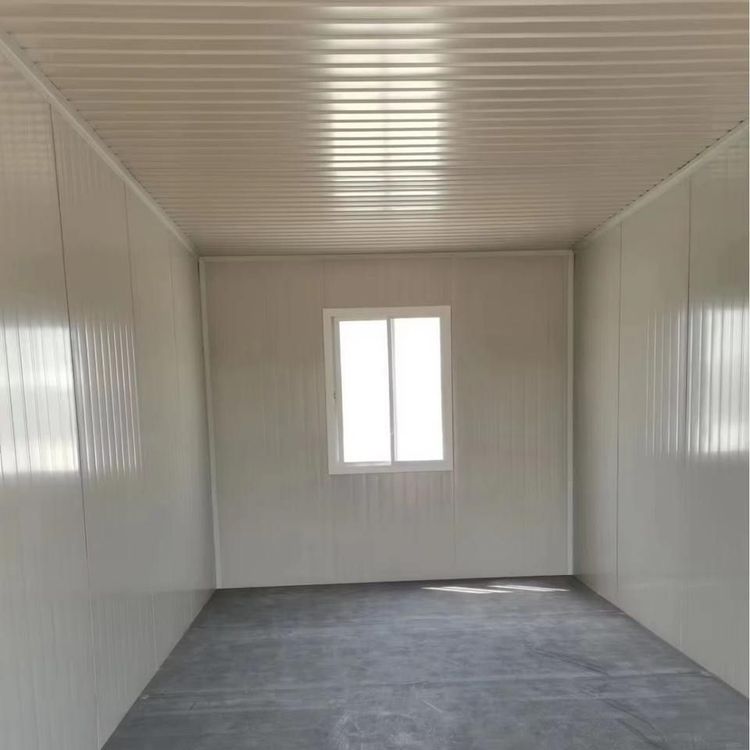
Architects explore the potential of containers through cutting, stacking, and extending, transforming them from simple “iron boxes” into multifunctional living spaces. For example, natural light is introduced through window designs, indoor temperature and humidity are improved using thermal insulation materials, and energy self-sufficiency is achieved by integrating solar panels. Some projects also incorporate smart systems, such as temperature control and security, to enhance living comfort. This design flexibility makes them suitable not only for residential purposes but also for expansion into commercial spaces and cultural tourism facilities.
4. Technological Evolution Drives Functional Upgrades
With advancements in material science and construction technology, container houses are evolving towards intelligence and comfort. For example, the use of new composite materials enhances structural durability, integrated rainwater harvesting systems reduce water consumption, and IoT technology enables remote monitoring. These innovations bring their performance closer to or even surpass that of traditional buildings, further expanding their range of applications.
In summary, container houses are moving from marginal experiments to the mainstream, becoming an important trend in the future architectural field, thanks to their environmental friendliness, economic efficiency, design potential, and technological upgrades.