Container House with Two Doors
A container house with two doors typically refers to a double-door design, with core features including door layout, standard dimensions, functional advantages, and typical application scenarios, as detailed below:
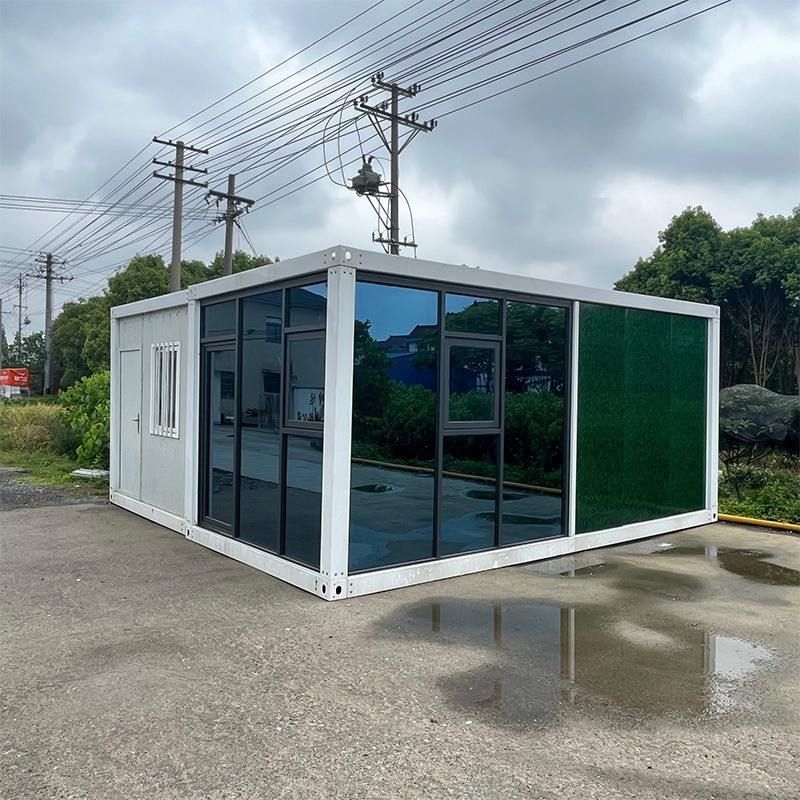
Number and Position of Doors
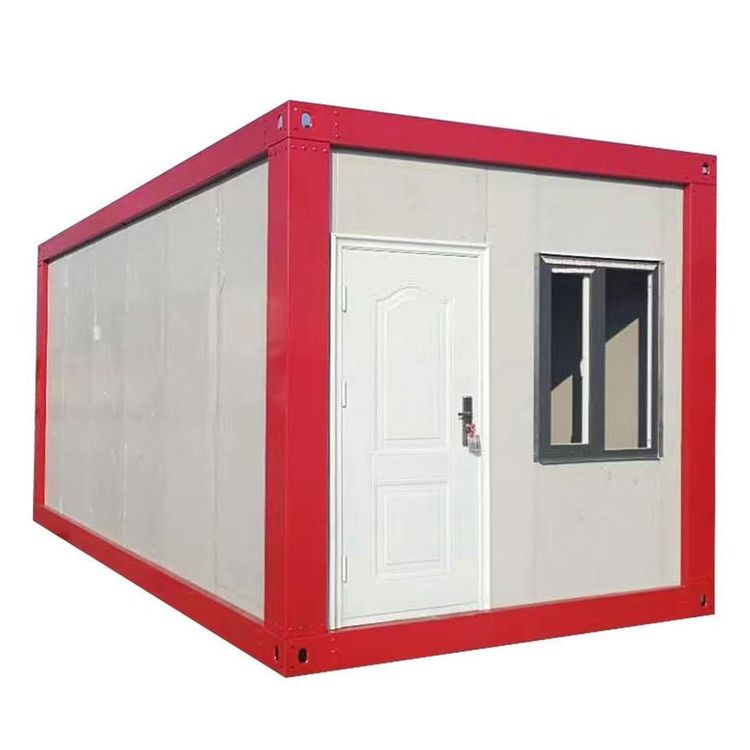
A double-door container house is equipped with two doors: one at one end of the container (usually the end door) and the other on the side (side door). This layout accommodates passage needs in different directions: the end door is suitable for longitudinal loading and unloading, while the side door facilitates lateral operations or emergency evacuation. For example, in a warehousing scenario, the end door can be used for forklift access to move large items, while the side door assists manual workers in quickly retrieving or placing small items, enhancing operational flexibility.
Standard Dimensions and Applicability
The standard dimensions of double doors are 1600 millimeters wide and 2000 millimeters high, providing a larger opening area than single doors and meeting the handling requirements for large items (such as furniture and equipment). If a larger opening is needed, custom non-standard dimensions can be made, but considerations must be given to the structural strength of the container and transportation limitations. For example, an excessively wide door opening may require reinforcement of the door frame or adjustment of the overall container dimensions, necessitating prior communication with the manufacturer regarding technical feasibility.
Functional Advantages
- Improved Loading and Unloading Efficiency: The double-door design allows personnel or equipment to work simultaneously from both sides, reducing one-way waiting time. For example, at a logistics transfer station, forklifts can load goods through the end door while manual workers sort through the side door, achieving a "assembly-line" operation.
- Enhanced Ventilation and Inspection Convenience: The side door, in combination with the end door, light holes, or windows, can form natural convection channels, improving the internal air quality of the container. Additionally, the double-opening design facilitates regular spot checks of cargo status, reducing the risk of mold or damage.
- Increased Safety: The double-door structure can distribute stress, reducing the risk of deformation caused by single-point force. In office buildings or temporary event venues, the side door can also serve as an emergency exit, complying with fire safety regulations.
Typical Application Scenarios
Double-door container houses are mostly used in scenarios requiring frequent loading and unloading or large-space operations:
- Warehousing: As temporary warehouses, double doors facilitate quick access to goods, particularly suitable for industries requiring efficient turnover, such as e-commerce and manufacturing.
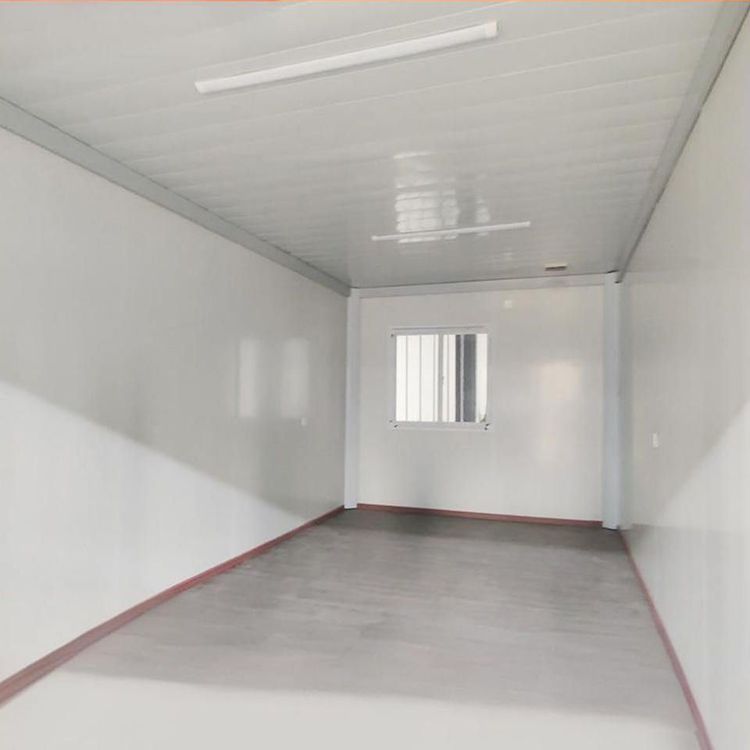
- Office Spaces: When converted into offices, the side door can connect to an external corridor, while the end door serves as the main entrance, improving space utilization and personnel flow efficiency.
- Temporary Events: In scenarios such as exhibitions or construction camps, the double-door design allows for quick setup of passageways, meeting the needs for rapid access of personnel and equipment.
If special functions (such as fire resistance or sound insulation) are required, customized configurations can be added on the basis of double doors, but technical parameters and costs must be confirmed with the manufacturer in advance.