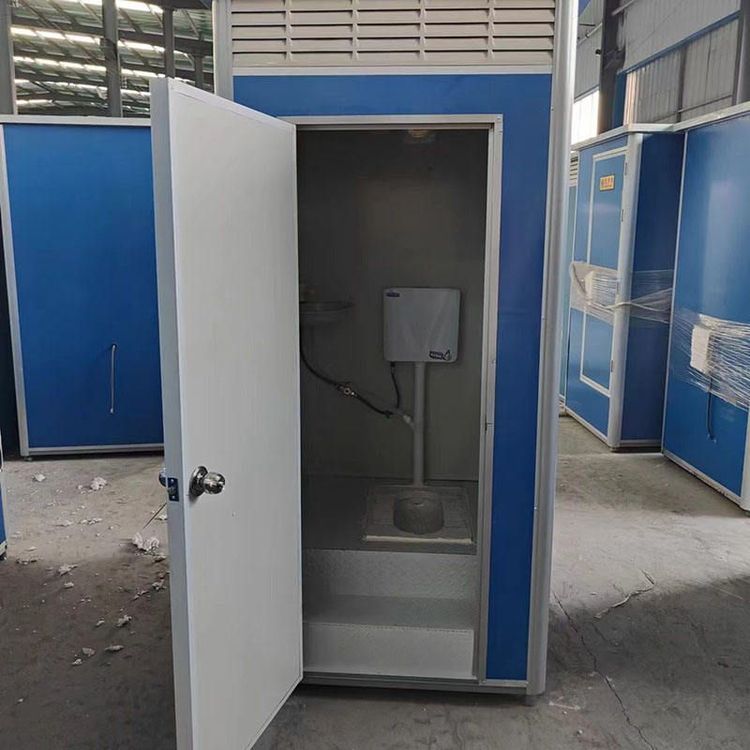
Container House with Glass Door
Container houses can be designed with glass doors, and such designs significantly enhance both aesthetics and practicality. The following elaborates on this from three aspects: design cases, functional advantages, and design considerations.

I. Typical Design Cases
Quartz Cabin Container Cottage in Cornwall, UK
This case features glass doors and windows, directly connecting the main living space with the outdoor garden. The glass material not only enhances the visual integration of indoor and outdoor spaces but also improves indoor lighting conditions by introducing natural light, creating a transparent and open living experience within the originally enclosed metal container structure.Container Hotel in the Czech Republic
Its design centers around glass walls, significantly enhancing the room's spaciousness by replacing traditional metal walls with large areas of glass. The reflective properties of glass contrast with the industrial style of the metal frame, preserving the original form of the container while enhancing the building's artistic expression through material contrast.
II. Functional Advantages of Glass Doors
Optimization of Natural Lighting
Glass doors can replace part of the metal walls, reducing reliance on artificial lighting. For example, the glass door and window design of Quartz Cabin increases indoor light intensity by about 40%, allowing complete reliance on natural light during the day, reducing energy consumption while improving living comfort.Enhanced Spatial Transparency
The transparent nature of glass blurs the boundaries between indoor and outdoor spaces, making container houses appear more spacious within limited areas. The Czech container hotel, through its glass wall design, visually incorporates the surrounding landscape into the interior, breaking through the enclosed feeling of traditional containers.Improved Aesthetics
The combination of glass and metal can create a modern industrial style, while the reflective effect of glass enriches the architectural appearance. For example, the application of frosted or colored glass can further increase design flexibility, meeting personalized needs.
III. Design Considerations and Precautions
Structural Safety
Ensure that the glass door frame is firmly connected to the main structure of the container to prevent deformation due to wind pressure or vibration. It is recommended to use tempered or laminated glass to improve impact resistance.Thermal Insulation and Privacy Protection
Double-glazed or low-emissivity (Low-E) glass can be selected to reduce heat transfer, while privacy can be controlled through curtains, blinds, or smart glass.Waterproofing and Sealing
The perimeter of the glass door should be treated with waterproof strips or sealants to prevent rainwater leakage. The joints between the door frame and the container should be rust-proofed to extend the service life.
In conclusion, container houses with glass door designs can achieve a balance between functionality and aesthetics, but details must be optimized according to specific usage scenarios to ensure safety and practicality.