
Is a Container House with Furniture a Good Choice?
It is feasible to equip a container house with furniture, and it can enhance living comfort and convenience. Here is a detailed analysis:
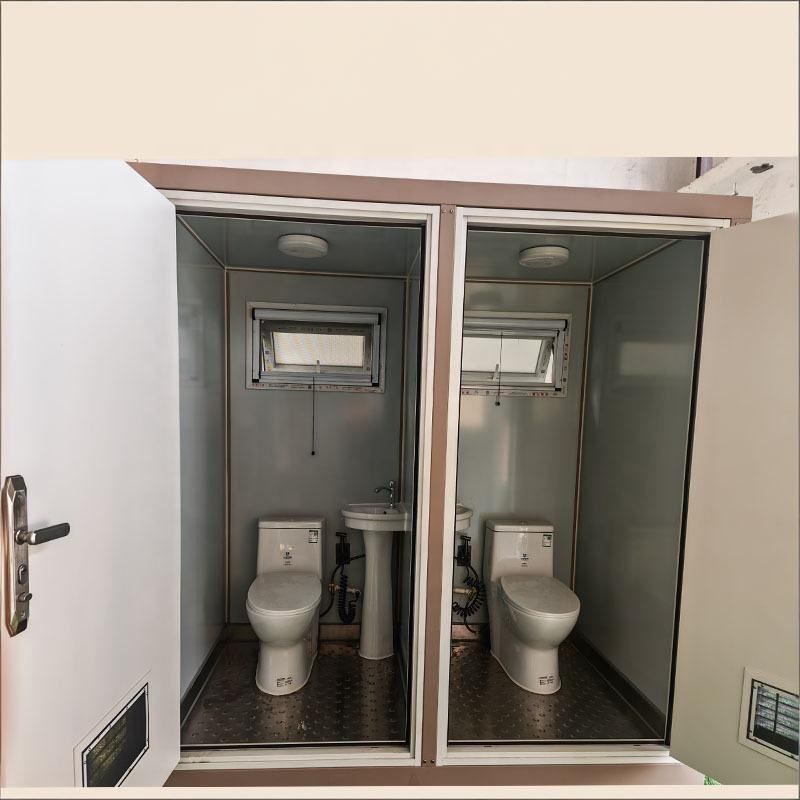
Structural Safety and Furniture Adaptability
Container houses are built around a steel frame, providing strong structural stability that can withstand extreme weather conditions (such as winds of up to 12 on the Beaufort scale and earthquakes of magnitude 8). Their modular design allows for flexible adjustment of interior space, enabling pre-installation of basic furniture (such as lighting, sockets, fixed tables and chairs, or beds) before leaving the factory, eliminating the need for secondary decoration before use. For example, the fast-assembly container series from Zhongnan in Suzhou has achieved integrated installation of interior decoration and furniture in engineering camp scenarios, allowing direct use as dormitories or offices after on-site hoisting.
Long-term Residential Comfort Optimization
For long-term residence, container houses need to enhance comfort through the following designs:
- Thermal Insulation and Ventilation: Metal materials are prone to heat conduction, so thermal insulation materials (such as rock wool or polyurethane) should be used to fill the walls, and air conditioning or fresh air systems should be installed to maintain indoor temperature.
- Space Utilization: By using multi-functional furniture such as foldable furniture (e.g., sofa beds, extendable tables) and integrated cabinets, the limited space can be maximized. For example, a 15-square-meter small apartment can achieve a "living-bedroom integration" function through foldable furniture.
- Water and Electricity Facilities: Container houses can be equipped with a complete water and electricity piping system, supporting the use of appliances such as washing machines and refrigerators. Some projects also integrate solar panels to achieve energy self-sufficiency.
Flexibility of Customized Furniture
Container houses support customized furniture layouts according to needs:
- Commercial Scenarios: Container shops and cafes can quickly switch business modes through designs such as embedded shelves and movable counters.
- Residential Scenarios: Family container houses can add storage cabinets, bookshelves, etc., and even expand the usable area through a "container + expansion module" mode to meet personalized needs.
Cost and Environmental Advantages
Compared to traditional houses, container houses have lower construction costs, and pre-installation of furniture can reduce on-site construction time and material waste. Their modular nature also allows for overall relocation, avoiding repeated decoration and further reducing long-term use costs.



