Integral House Custom Container House
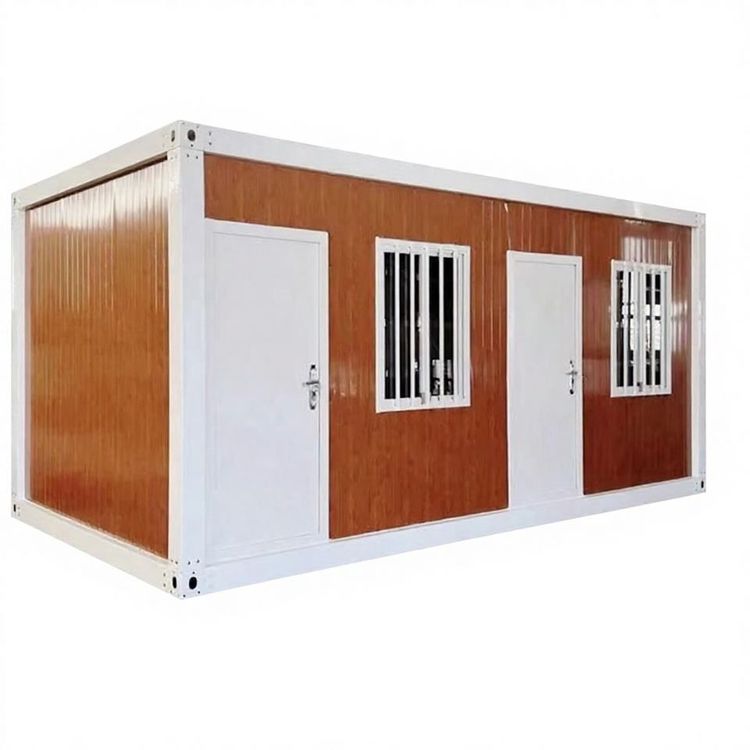
Integral house custom container house is a solution that transforms containers into complete living or office spaces tailored to specific needs, featuring modularity, customizability, ease of transportation, and installation.

I. Materials and Structure
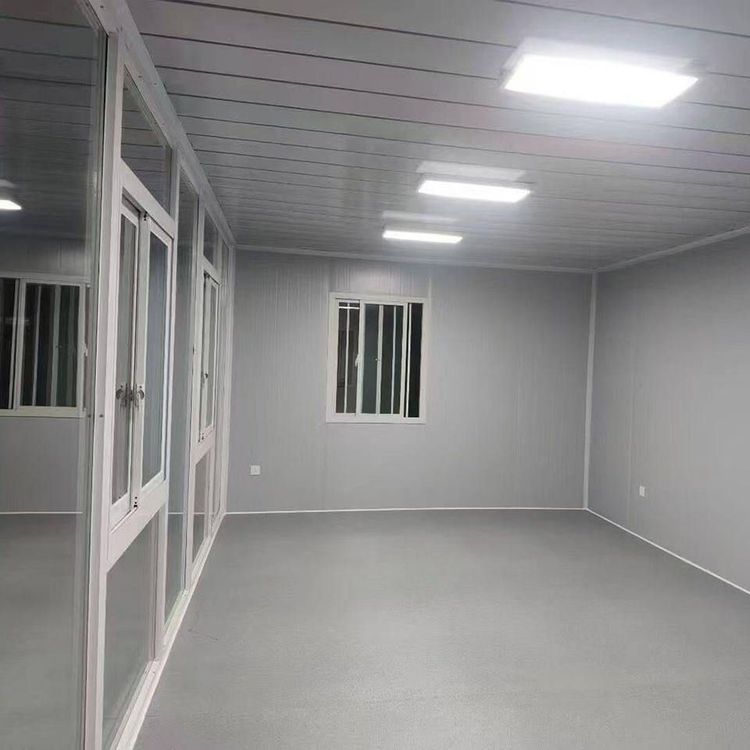
Container houses typically use high-strength steel as the main frame, such as Q355B-grade weathering steel, which offers approximately 30% higher yield strength than ordinary carbon steel, ensuring structural stability. The box design emphasizes self-balancing, relying on rigid connections between corner fittings and side beams, as well as stress dispersion through longitudinal corrugated plates on the top, reducing dependence on external support structures. The enclosure often adopts a composite construction, such as a three-layer design of 'rock wool-air gap-aluminum-zinc coated steel plate', providing both thermal insulation and fire resistance to suit various climatic conditions.
II. Customized Design
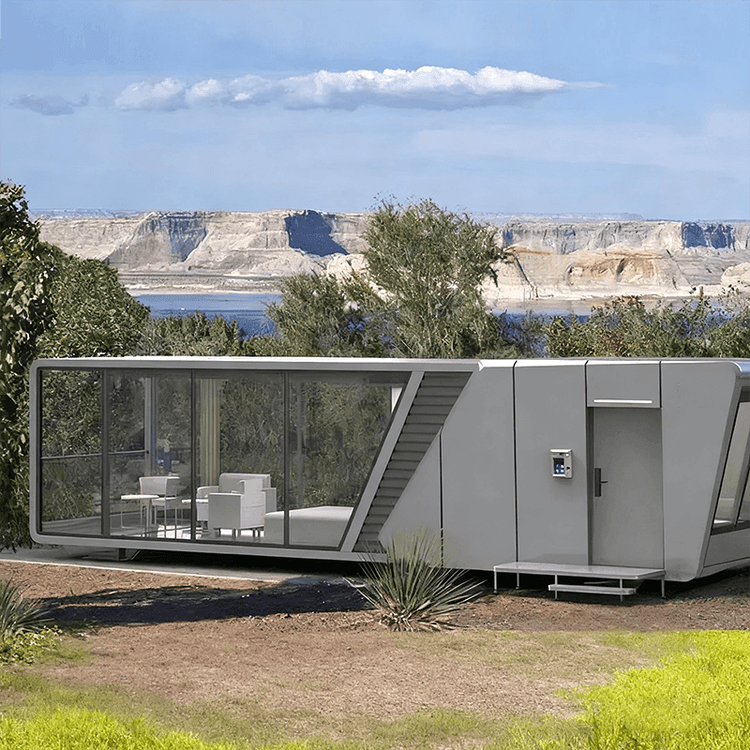
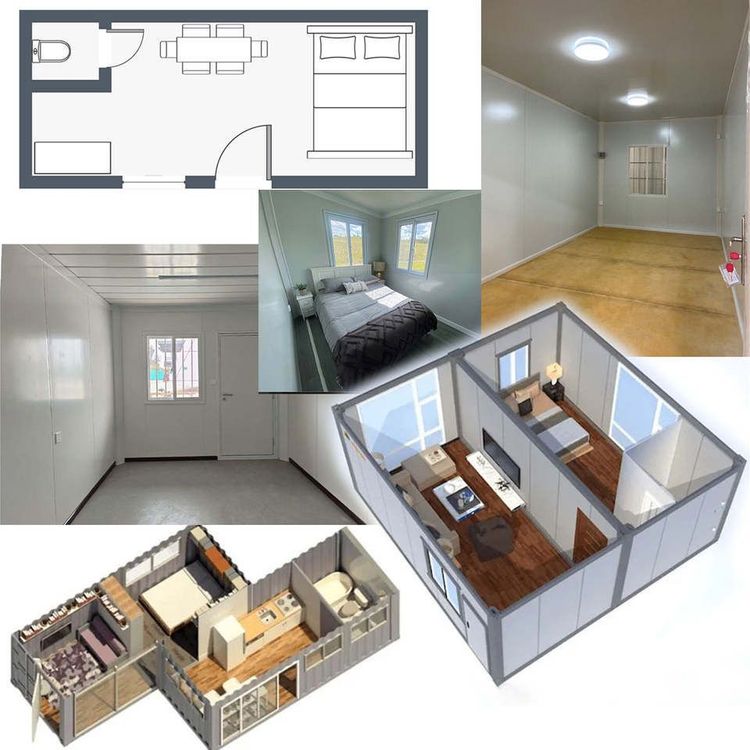
Container houses can be personalized according to customer requirements, including dimensions, layout, appearance, and interior decoration. For example, they can be designed as independent office units, temporary dormitories, commercial pop-up shops, and more. Customized design not only meets functional needs but also enhances the aesthetic appeal and comfort of the space.
III. Installation and Transportation
After most construction processes are completed in the factory, container houses can be quickly assembled on-site like building blocks. This modular construction method significantly shortens the construction period and reduces on-site workload. Meanwhile, container houses are easy to transport and can be delivered to destinations by sea, land, and other means, making them particularly suitable for cross-border projects.
IV. Sustainability
Container houses support multiple disassembly and reuse cycles, aligning with the concept of low-carbon circular development. Under standardized use and regular maintenance, compliant products can be disassembled and reused an average of more than 8 times, reducing construction waste emissions by approximately 90% compared to traditional fixed temporary buildings.