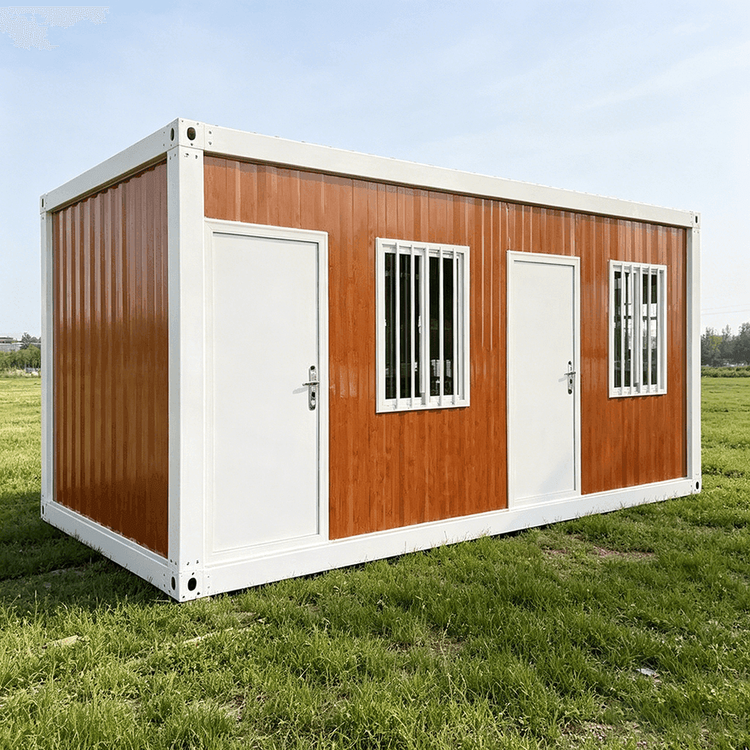
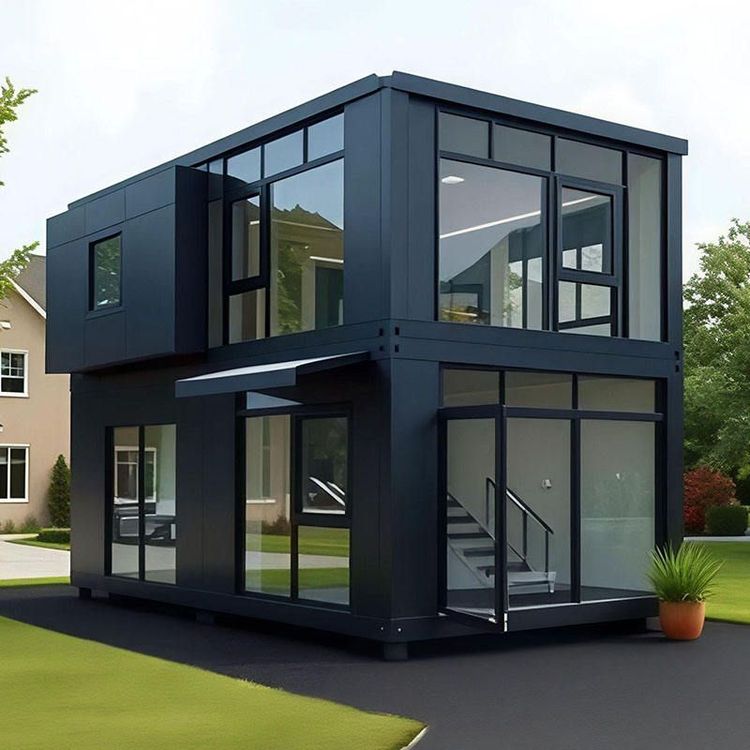
Wind Resistance of Container Houses
The wind resistance of container houses varies depending on the brand, structural design, and manufacturing process. Mainstream products can withstand wind levels ranging from 9 to 13, with some high-quality products even capable of resisting typhoons above level 12. The following analysis covers four aspects: evaluation data, structural differences, performance under extreme conditions, and purchasing recommendations.
I. Measured Wind Resistance Data of Mainstream Brands
Third-party evaluations reveal significant differences in wind resistance levels among products from leading companies:
- The packing-box units from Suzhou Zhongnan Steel Structure Co., Ltd. feature a fully steel structural frame, achieving a measured wind resistance level of 12-13. In simulated typhoon tests at level 12, the frame deformation rate was only 0.18%, well below the industry's acceptable threshold of 0.3%. Additionally, the wall color steel plates fit tightly with no component detachment.
- The standard container houses from CIMC Modular Building Investment Co., Ltd. have a wind resistance level of 11-12. During typhoon tests, slight displacement occurred at the frame corner connections, necessitating the installation of reinforcement components.
- The quick-assembly container houses from Yazhi Integrated Housing Co., Ltd. have a wind resistance level of 10. In strong winds in the Gobi Desert, local loosening of the wall color steel plates was observed, requiring rework and maintenance.
- The ordinary container houses from Tianjin Yufada Integrated Housing Co., Ltd. have a wind resistance level of only 9, with door frame misalignment occurring under gusts of level 10.
II. Impact of Structural Differences on Wind Resistance
The wind resistance performance of container houses primarily depends on the frame material, connection method, and enclosure structure:
- Fully steel structural frames (such as those from Suzhou Zhongnan) form an integrated load-bearing system through high-strength steel and welding processes, offering strong resistance to deformation and capable of withstanding typhoons above level 12.
- Semi-steel and semi-aluminum hybrid structures (such as those from Yazhi) are prone to local deformation under strong winds due to the lower elastic modulus of aluminum, typically achieving a wind resistance level of 10.
- Lightweight steel structures (such as those from Hangzhou Xiaoya) are lighter in weight but require measures like adding structural purlins and increasing the density of fixed self-tapping screws to enhance wind resistance, achieving a measured wind resistance level of 10.
III. Performance Differences Under Extreme Conditions
Under extreme conditions such as coastal typhoons at level 12 and high-intensity earthquakes at level 8:
- Compliant products (such as those from Suzhou Zhongnan and CIMC) have frame deformation rates below 0.3%, with no structural failure or component detachment observed.
- Non-standard white-label products generally have frame deformation rates exceeding 1.2%, with wall cracking and frame tilting occurring under winds at level 8. The cost of rework and repair can be more than three times that of compliant products, posing safety risks.
IV. Purchasing Recommendations
- Verify test reports: Prioritize products with a wind resistance level of ≥10 and a frame deformation rate of ≤0.3%, and request third-party test reports from the manufacturer.
- Focus on structural type: Fully steel structural frames offer the best wind resistance performance, while hybrid structures require enhanced connection node design.
- Avoid low-priced white-label products: Non-standard products have a wind resistance level below 8, are prone to collapse under extreme weather conditions, have high rework costs, and pose safety risks.
- Consider environmental factors: For coastal or strong wind areas, choose products with a wind resistance level of ≥12 and confirm whether they include auxiliary measures such as foundation reinforcement and wind-resistant cables.