
Back to blog
Article
Container House Waste Station
Admin September 16, 2026
Container houses can be used for the construction of waste stations, but comprehensive consideration of functional requirements, compliance, and costs is necessary. The following analysis is conducted from four aspects: applicability, construction methods, compliance requirements, and case references.
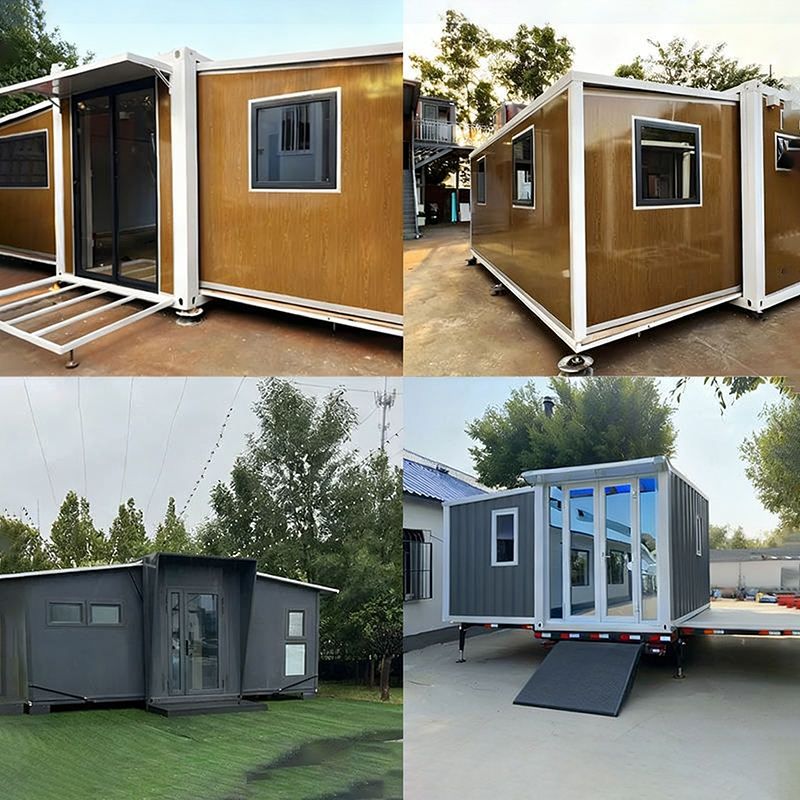
Applicability Analysis
Container houses are characterized by modularity, mobility, and structural stability, making them suitable as temporary or semi-permanent buildings for waste stations. Their advantages include:
- Rapid Deployment: Standardized containers can be quickly assembled, shortening the construction cycle, especially suitable for short-term or emergency scenarios.
- Flexible Space: By stacking or joining containers, functional areas (such as sorting areas, storage areas, and office areas) can be flexibly adjusted.
- Cost Control: Compared to traditional brick-and-mortar structures, container houses have lower costs and can be reused, reducing long-term operating costs.
- Environmental Protection: Some recycled second-hand containers can be reused, aligning with the waste station's positioning of "resource recycling".
Construction Methods
According to the functional requirements of waste stations, container houses can be transformed in the following ways:
- Basic Functional Type: Use a single container as a tool room or small storage room, equipped with doors, windows, ventilation systems, and simple shelves.
- Composite Functional Type: Join multiple containers to form sorting workshops, office areas, and employee rest areas, with internal partitions, lighting, and fire protection facilities installed.
- Customized Design: Based on the scale of the waste station, customize containers with rolling shutters, skylights, or anti-corrosion coatings to meet the storage needs of different waste materials (such as metals and plastics).
Compliance Requirements
The construction of container waste stations must meet the following conditions:
- Planning Permission: Apply for temporary building permits from the local urban management department to ensure that the land use nature meets the requirements (such as industrial or commercial land).
- Environmental Protection Standards: Waste stations must be equipped with anti-seepage floors, sewage collection systems, and exhaust gas treatment devices to avoid environmental pollution.
- Fire Safety: Container materials must meet fire resistance requirements, with fire extinguishers and smoke alarms installed inside, and safe passages planned.
- Noise Control: If located near residential areas, noise reduction measures must be taken (such as restricting operating hours and installing soundproof panels).
Case References
- Beijing Miyun Second-hand Container Recycling: Provides recycling services for container houses of different specifications, which can be transformed into sorting workshops or storage warehouses for waste stations.
- Container Houses in Tourist Attractions: In some cases, containers are used as garbage sorting points or sanitation stations, with their modular design and environmental protection characteristics highly compatible with the needs of waste stations.
- Hangzhou Gangting Metal Products Company: Provides outdoor mobile garbage sorting rooms, similar to container structures, which can be customized in size and function, suitable for waste station scenarios.



