
Container House Villa Homestay
Container houses can be transformed into villa homestays, but factors such as design, construction, compliance, and post-construction maintenance need to be comprehensively considered. The following analysis is conducted from multiple dimensions:
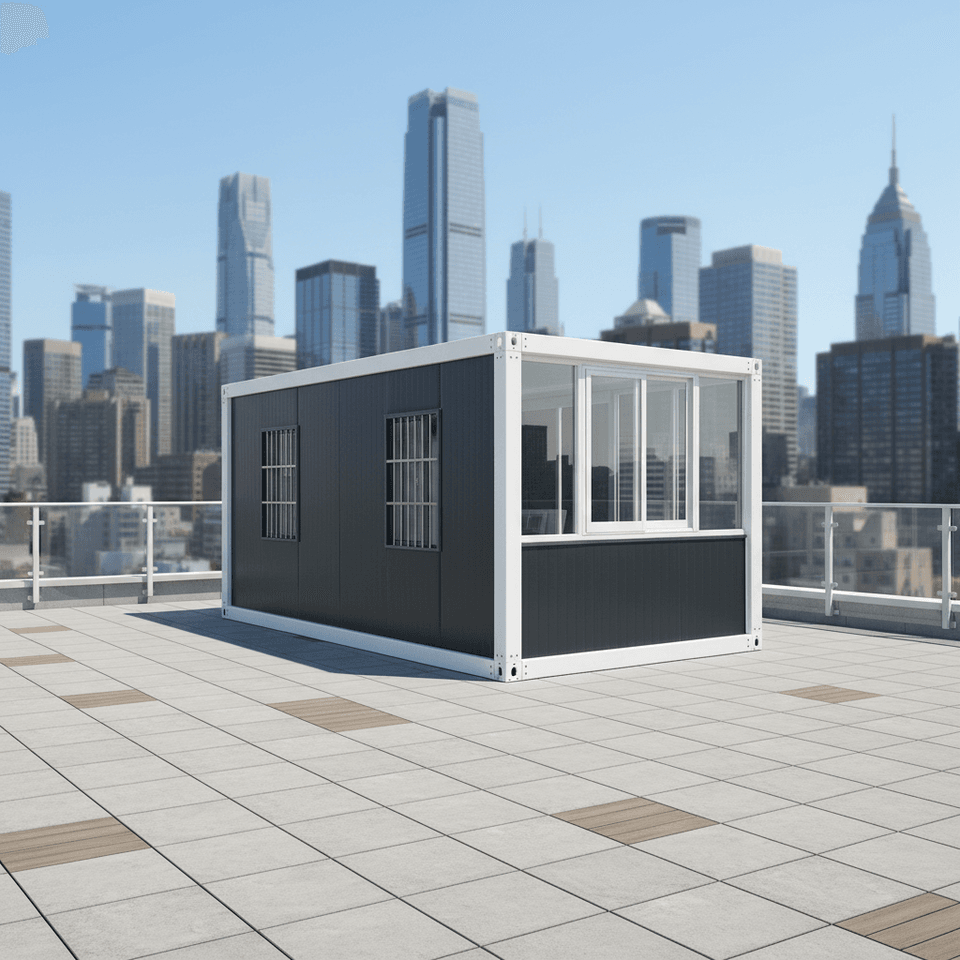
1. Feasibility of Transforming Container Houses into Villa Homestays
Container houses are characterized by modularity, mobility, and rapid construction, making them suitable as temporary or permanent accommodation buildings. With high structural strength, they can expand space through splicing and combination. For example, 2-3 containers can be spliced to create functional areas such as living rooms, bedrooms, and bathrooms, and even create richer spatial levels through staggered floor designs. There are multiple successful cases in China, such as the "Bamboo Whisper Mountain Retreat" project in Mogan Mountain, Zhejiang, which was transformed from 12 containers, and the Yangshan Island Container Homestay project in Lianyungang, Jiangsu, which was created by combining 108 containers, integrating island-style homestays, food experiences, and cultural creativity.
2. Key Design Points
- Spatial Layout: It is necessary to reasonably plan functional divisions, such as integrating the living and dining areas, having double bedrooms, and bathrooms with bathtubs. For small units, it is recommended to use multi-functional furniture such as folding beds and folding tables to enhance spatial flexibility.
- Lighting and Insulation: Install large floor-to-ceiling windows, roof skylights, or glass partitions to enhance lighting; add internal insulation layers to walls/roofs and choose triple-glazed windows to achieve warmth in winter and coolness in summer.
- Facade Beautification: Get rid of the industrial feel and shape a villa-like atmosphere through paint spraying, themed spray painting, cladding, or glass curtain wall treatments.
- Courtyard and External Environment: Elevate the containers on pile foundations to prevent moisture and insects. The facade can incorporate regional cultural elements, such as paper-cut art and brick carvings.
3. Construction and Compliance Requirements
- Approval Procedures: If constructing on rural homestead land, it is necessary to follow local requirements to handle housing construction approvals and provide structural drawings. Leased land is mostly only allowed for temporary construction, and the contract must clarify the nature of use.
- Structural Safety: It is necessary to verify the product's wind and earthquake resistance test reports. For example, the packing boxes from Suzhou Zhongnan have a wind resistance rating of Level 12 and an earthquake resistance rating of Level 8, which are far below the industry's qualified thresholds.
- Waterproof Sealing: Regularly replace sealants around doors and windows and at container splicing joints, and clean roof leaves annually.
4. Post-Construction Maintenance Points
- Rust and Corrosion Prevention: During the construction phase, cut and welded joints should be polished and coated with epoxy primer + topcoat; annually inspect welds, wall corners, and other areas, and immediately treat any rust spots found.
- Condensation Prevention: Avoid internal condensation through internal insulation layers and ventilation design, and elevate the foundation to prevent the bottom from being immersed in moisture.



