
Container House Trim
When it comes to container house trim, it is crucial to focus on material selection, structural safety, fire resistance, and installation techniques. Here are the specific key points:
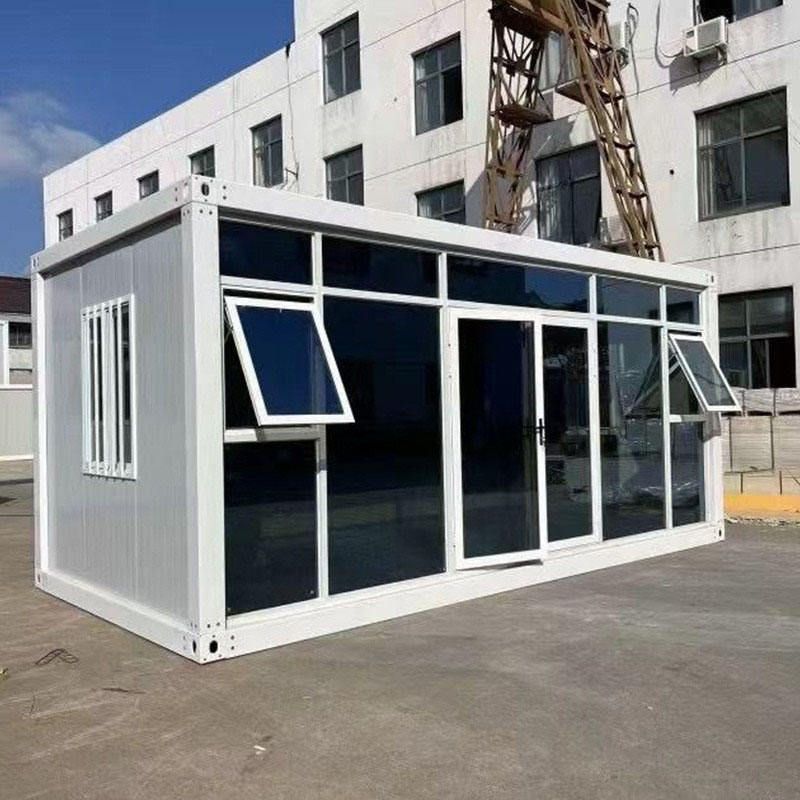
1. Material Selection: Prioritize corrosion-resistant and high-strength steel The trim materials for container houses directly affect their service life and safety. It is recommended to use galvanized steel or cold-rolled steel for the main frame. These materials offer excellent corrosion resistance, enabling them to withstand environmental erosion from moisture and salt spray, thereby extending the structural lifespan to over 15 years. For example, the container houses produced by Inner Mongolia Xinxing Color Plate Steel Structure Manufacturing Co., Ltd. utilize galvanized steel with a wall thickness of 75mm and a nominal outer diameter of 3000mm, meeting high-strength usage requirements. For the decorative trim layer, rock wool boards or fireproof cotton can be selected. Their Class A fire resistance effectively prevents combustion, complying with construction site fire safety standards and avoiding fire risks associated with flammable materials such as polystyrene.
2. Structural Safety: Ensure proper welding techniques and load-bearing design The trim must be tightly connected to the main frame. The welding process must be full and free of cold welds to prevent structural deformation caused by loose connections. The thickness of the steel used for main beams and columns should meet national standards. For instance, channel steel is recommended to be of 5X10 specification, and the thickness of columns should be no less than 1mm to support the pressure during container stacking and lifting. Additionally, the container body should undergo overall galvanization or anti-corrosion spraying treatment to prevent rusting due to impacts during transportation, which could affect structural stability.
3. Fire Resistance: Fillers and electrical design are key The fire protection design in trim areas must strictly adhere to regulations. Fillers must use Class A non-combustible materials such as rock wool boards or fireproof cotton. The use of flammable materials like polyurethane foam is prohibited to reduce the speed of fire spread. Electrical wiring should be equipped with protective sleeves, and sockets and switch boxes should be made of metal galvanized boxes and installed openly to prevent fires caused by short circuits. For example, the container fire incident in Linping District, Hangzhou, was caused by an electrical wiring fault that ignited weeds. Such hazards need to be completely eliminated through standardized design.
4. Installation Techniques: Attention to detail determines user experience During trim installation, it is essential to pay attention to gap sealing and drainage design. Gaps should be sealed with waterproof tape or silicone sealant to prevent rainwater infiltration and internal rusting. The roof should be designed with a slope (usually ≥5%) and equipped with a structural drainage system to avoid water accumulation. Additionally, the connection between the trim and doors and windows should be smooth to prevent scratches or drafts, enhancing living comfort.



