Container House as Tourism Vacation Home
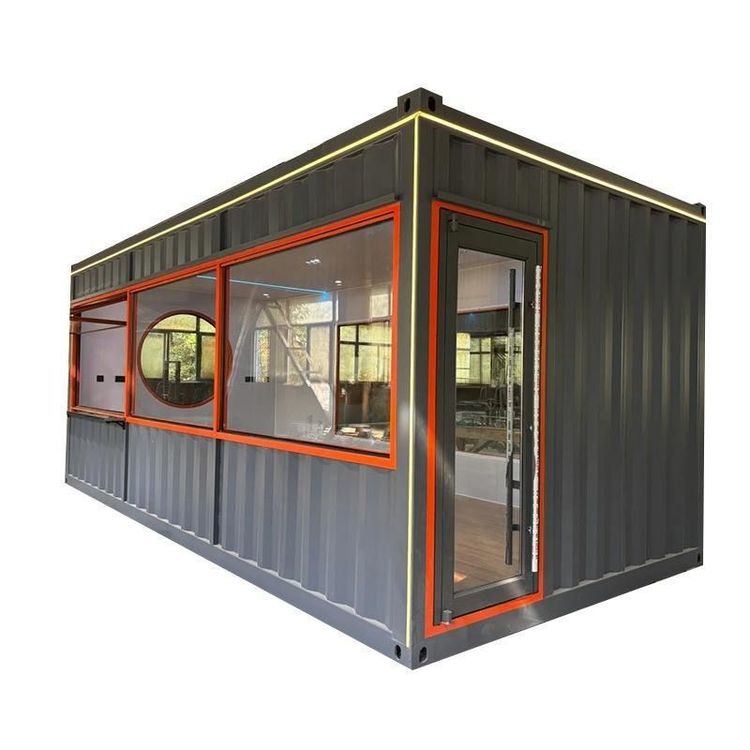
Container houses, when used as tourism vacation homes, offer multiple advantages such as modularity, environmental friendliness, cost-effectiveness, and flexibility. They are suitable for a variety of scenarios including cultural tourism, campsites, and scenic spots, but attention should be paid to structural stability, compliance, and customization needs.
Modularity and Disassembly
The core advantage of container houses lies in their modular design, which supports rapid assembly and disassembly as well as relocation. Standard containers feature a fully welded steel frame with a load-bearing capacity of 8 - 10 tons, providing a stable structure with superior earthquake and wind resistance compared to traditional brick-and-mortar buildings. Through non-welding quick assembly techniques (such as adding C-shaped steel purlins and thermal-break lining structures), multiple assemblies and disassemblies can be achieved with a wear rate controlled within 5%, significantly reducing long-term usage costs. For example, Baotou Campsite Container House Company has optimized steel structure corrosion resistance and load-bearing capacity, enabling stacked three-story containers to remain stable with a service life exceeding 15 years.
Environmental Friendliness and Low Carbon Footprint
Container houses align with global ESG investment trends, as their materials can be recycled throughout their entire lifecycle. A single standard container consumes approximately 1.2 tons of steel, with carbon emissions only 1/2.3 of those of traditional concrete buildings. Additionally, container houses can be hoisted and relocated as a whole, reducing construction waste generation. Equipped with self-circulating sewage systems (such as greywater filtration and blackwater anaerobic fermentation), they further minimize environmental impact, making them suitable for wilderness campsites without water or electricity.
Cost-Effectiveness and Flexibility
Container houses have low construction costs, with construction periods 60% - 70% shorter than those of traditional buildings. For example, the renovation cost of a container shop is only 1/5 of that of a traditional shop, and modular vacation campsites can save about 1/3 of the costs. Their mobility avoids asset sinking, supporting commercial shops in relocating with customer flow and homestays in adjusting to seasonal changes, enabling flexible capital circulation.
Scenario Adaptation and Customization
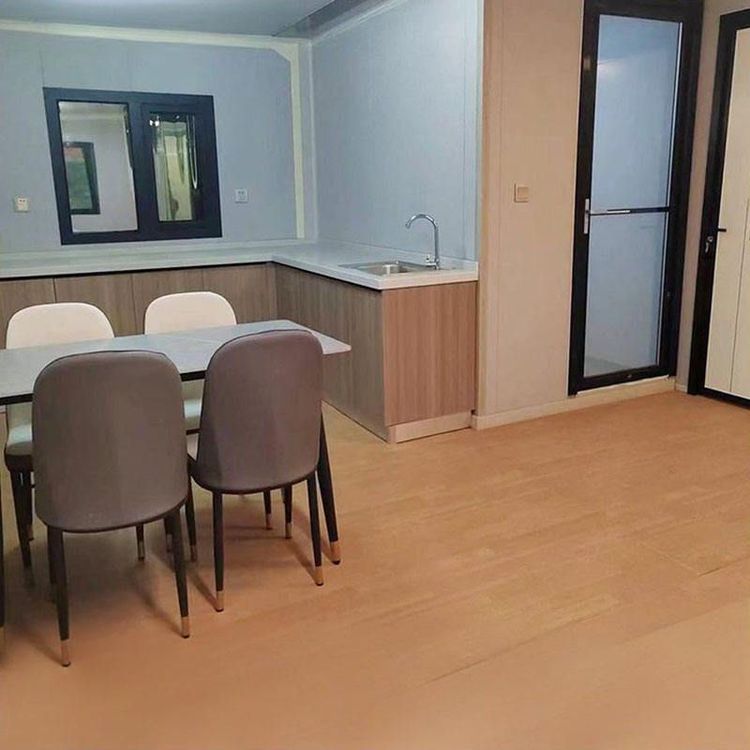
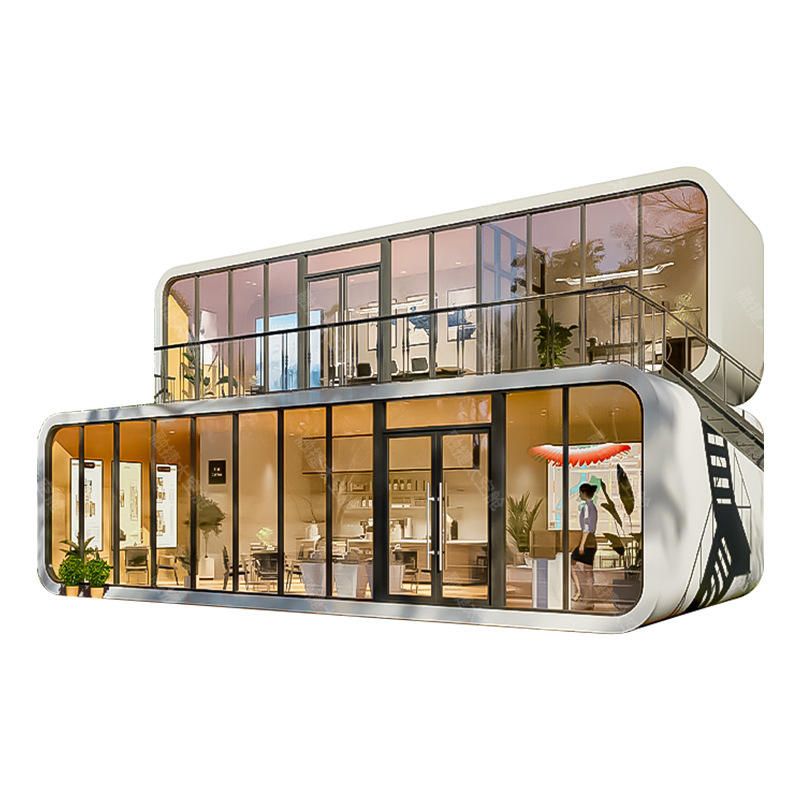
Container houses can adapt to scenarios such as cultural tourism vacations, campsite accommodations, and scenic spot facilities through streamlined exteriors and compact interior layouts. For example, Sihai Xuntong Company has launched multi-form products such as space capsules, apple cabins, and waterfront homestays, covering geographical environments such as seashores, mountains, and lakes; Shanghai Jizhuangke's [Villa Mola] project creates a 120-square-meter living space through container assembly, equipped with panoramic glass windows and a private garden, with a rental price of $200 per night.
Compliance and Safety
Attention should be paid to domestic and international certifications (such as CE, SAA) and cross-border export qualifications to ensure project delivery capabilities. Among orders from leading manufacturers, products with multiple reuse capabilities and low-carbon attributes account for over 60%, gradually becoming the mainstream procurement direction.