Container House Too Hot in Summer
The following methods can be used to solve the problem of container houses being too hot in summer:

1. Optimize insulation materials and structure
The insulation performance of container houses mainly depends on the wall materials. It is recommended to use high-density thermal insulation rock wool to fill the walls. It has a low thermal conductivity and can effectively block heat transfer. For example, regular cultural and tourism space capsules use a polyurethane foam layer of more than 50mm as the intermediate insulation layer, combined with an outer layer of anti-corrosion color-coated steel plates to reflect sunlight, which can significantly reduce the indoor temperature. If the budget is limited, polystyrene foam boards can also be chosen. They are relatively low-cost and have good insulation effects, but attention should be paid to their fire resistance. In addition, increasing the thickness of the insulation layer (such as increasing the thickness of the foam board from 50mm to 75mm) can further improve the insulation efficiency and slow down the rate of indoor temperature rise in summer by more than 20%.
2. Improve door and window design
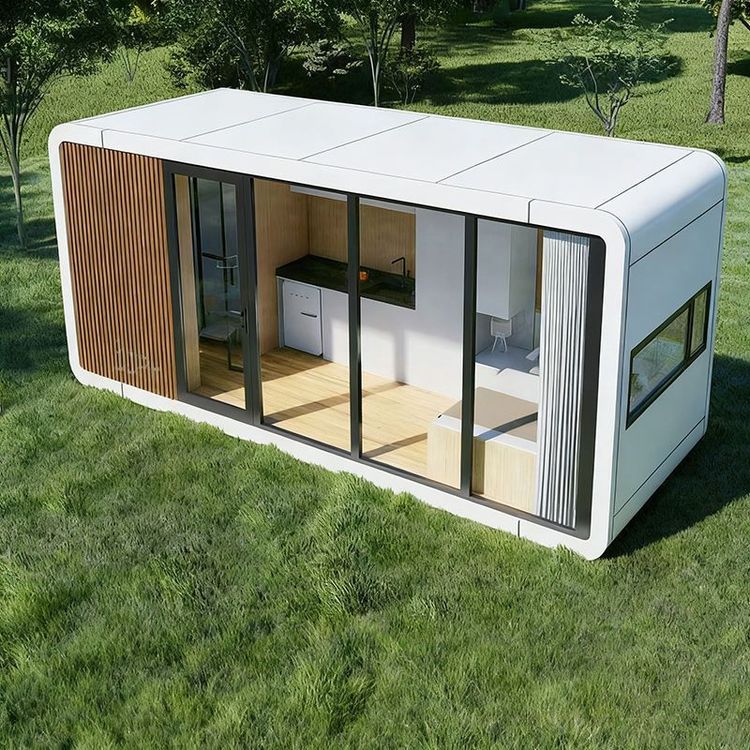
Doors and windows are the main channels for heat exchange. Using broken-bridge aluminum double-glazed windows can effectively reduce heat conduction. Their insulation performance is better than that of ordinary single-glazed windows. When combined with sealing strips and weather-resistant sealants, they can reduce noise by more than 35 decibels and prevent heat leakage. If conditions permit, adjustable sunshade canopies can be installed on the outside of the windows to block direct sunlight and further reduce the indoor temperature.
3. Enhance ventilation and heat dissipation
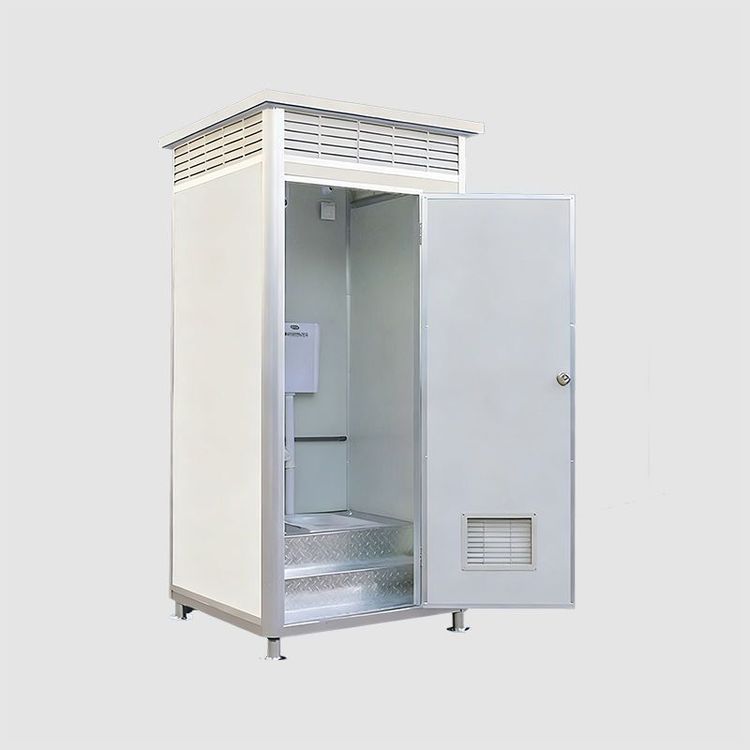
The airtightness of container houses may lead to heat accumulation. Installing ventilation slots on the roof or sides can utilize the principle of hot air rising to form natural convection and accelerate heat dissipation. For high-rise or large-area houses, negative pressure fans or industrial air coolers can be used in combination to force air circulation and improve the perceived temperature. If the environmental humidity allows, a water curtain system can reduce the indoor temperature by 5-8℃ through the heat absorption of water evaporation.
4. Auxiliary temperature control equipment
In extremely hot weather, air conditioners are still the most direct means of cooling. However, it should be noted that if no insulation measures are taken, the air conditioner needs to operate under a high load for a long time, and the electricity bill will increase significantly. Therefore, it is recommended to first improve the insulation measures and then use them in combination with air conditioners to reduce energy consumption. In addition, although graphene floor heating is mainly used for winter heating, its far-infrared heating principle can be used in reverse in summer (such as through an intelligent temperature control system), but additional equipment needs to be installed, and the cost is relatively high.
5. Avoid common mistakes
- Avoid using flammable materials: For example, polystyrene foam boards should choose products with a fire rating of B1 or above to prevent fires caused by high temperatures.
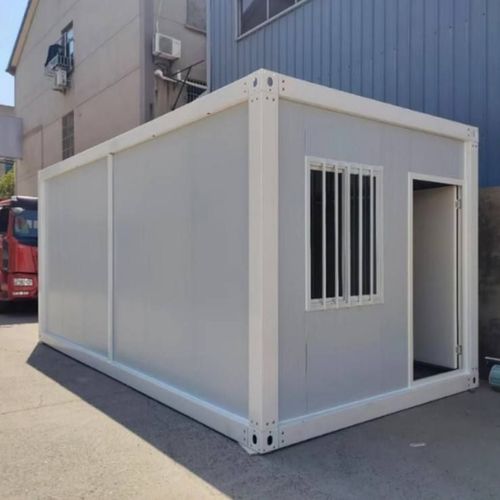
- Regularly check the airtightness: The joints of wall panels and the sealing of doors and windows should be treated with waterproof membranes and sealants to prevent heat bridge effects from causing heat penetration.
- Reasonably plan the layout: Avoid exposing the container house directly to sunlight. Reduce solar radiation through greening or sunshade structures.