
Container House Thermal Insulation
Container-house thermal insulation can be achieved in several ways; specific measures follow:
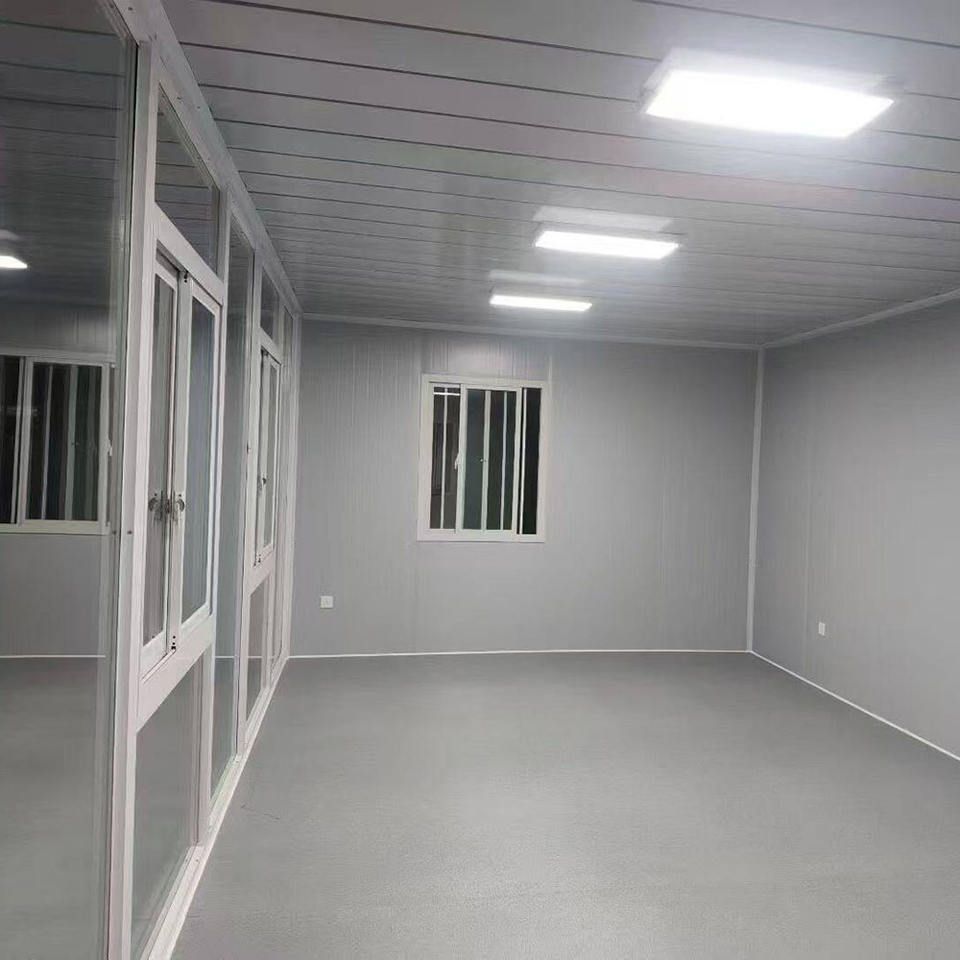
First, choosing suitable insulation materials is key. Common options such as EPS board, polyurethane foam board, and rock wool have low thermal conductivity and good insulating performance. They block heat transfer and reduce indoor–outdoor exchange to keep indoor temperature steadier. EPS board, for example, is widely used in container-house insulation for being light, easy to work, and relatively low-cost.
Second, adding insulation layers also improves performance. Extra layers can be added on exterior walls or interior walls—external cladding insulation, interior insulation boards, and so on—forming an effective heat barrier. For example, habitable container houses in Harbin use continuous dual-layer XPS board indoors, notably raising insulation performance.
Third, optimizing windows and doors matters. Double or triple insulating glass has low conductivity and good insulation, cutting heat loss through glazing. Weatherstripping at window and door edges further reduces leaks and improves results.
Also, detailing the insulation system must not be overlooked. Joints between insulation boards, connections, and interfaces with the container structure should be sealed with suitable materials to stop heat leaks. Professional methods and materials at structure junctions ensure sealing and stability so poor workmanship does not undermine performance.
Beyond these, underfloor heating and in-wall embedded insulation also help. For example, Harbin habitable container houses use graphene heating-cable underfloor systems to boost warmth; embedding insulation in walls and finishing with double gypsum board also works well.



