Container House Structure Images
Currently, we cannot directly provide images of container house structures, but we can describe their structural features and common dimensions in text to aid understanding.
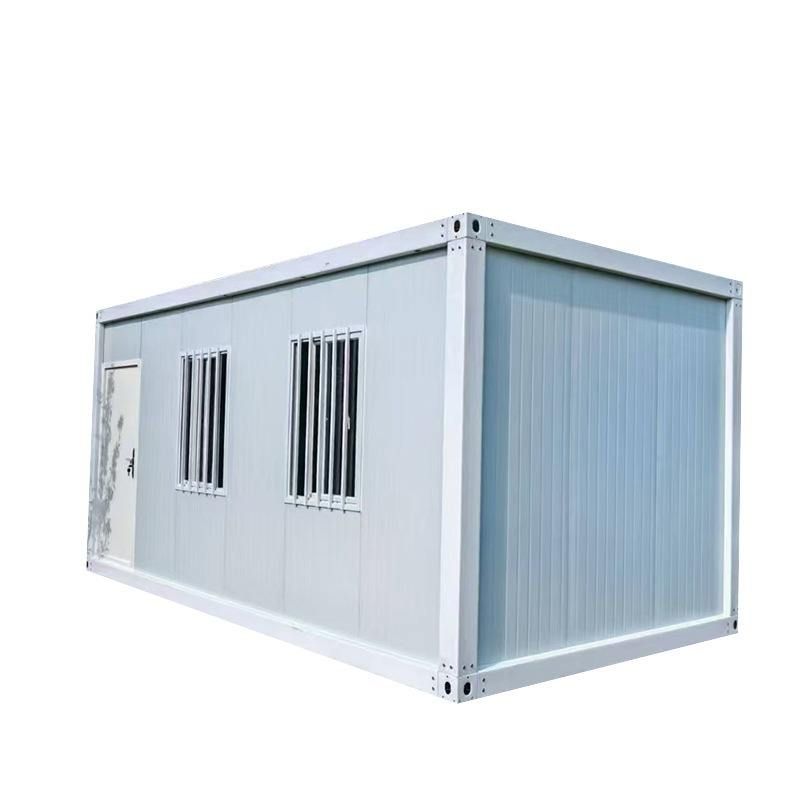
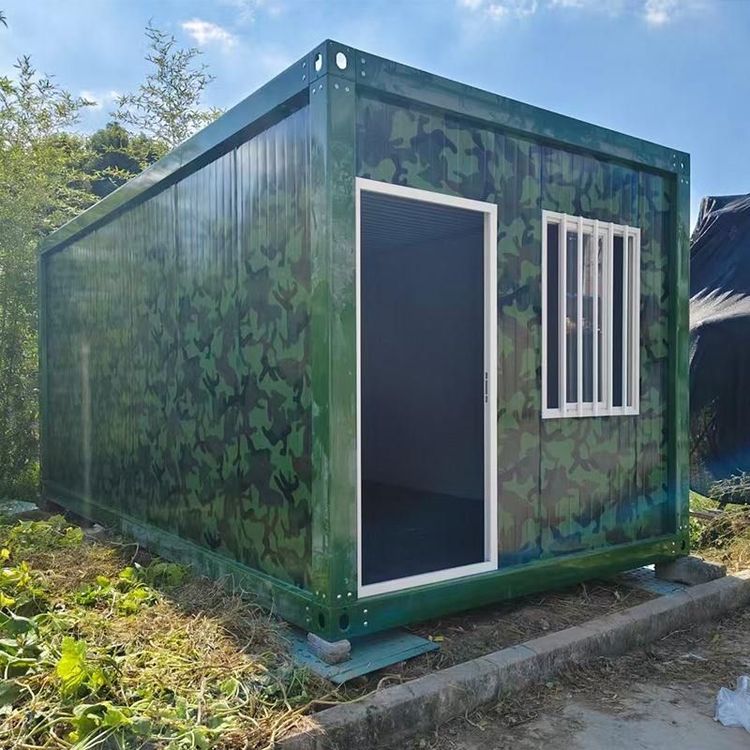
Container houses are modified based on standard shipping containers and have distinct structural characteristics. From the perspective of the overall framework, they retain the original steel framework of the containers, which is welded from high-strength steel. This framework offers extremely high structural strength and stability, enabling it to withstand significant external forces and harsh weather conditions, such as strong winds and earthquakes. For example, in earthquake-prone areas, container houses provide relatively safe shelter for residents due to their sturdy framework.
In terms of assembly methods, container houses can be flexibly combined according to needs. A common dimension for duplex container house assembly is 11.8m * 6.75m * 2.8m. This assembly method typically involves connecting multiple containers horizontally and vertically to form a multi-story living space. Through reasonable assembly design, space can be fully utilized to meet various functional requirements, such as setting up bedrooms, living rooms, kitchens, and bathrooms. The specifications for a 40-foot container house are 11.8m * 2.25m * 2.8m. This single container house can be used as an independent unit or combined with other containers to construct larger building complexes.
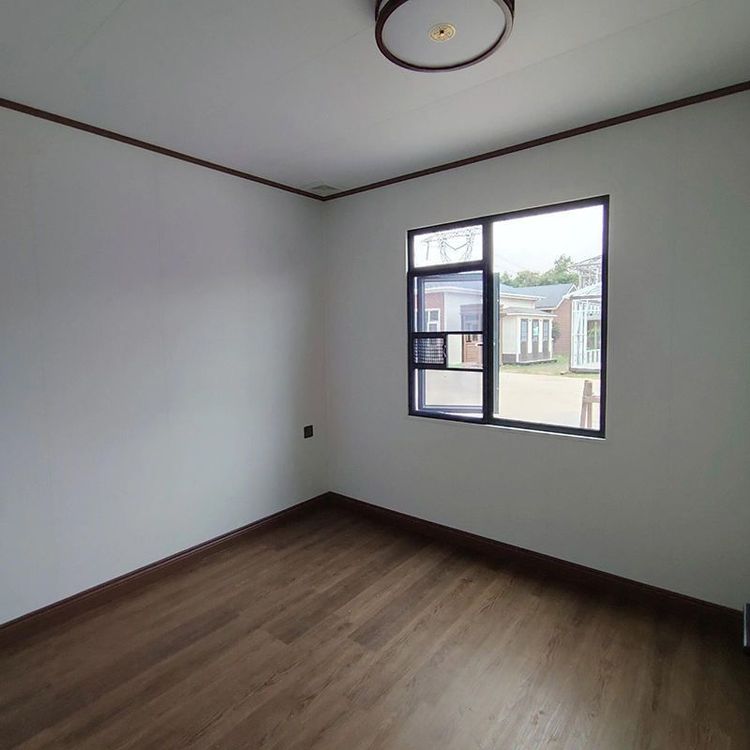
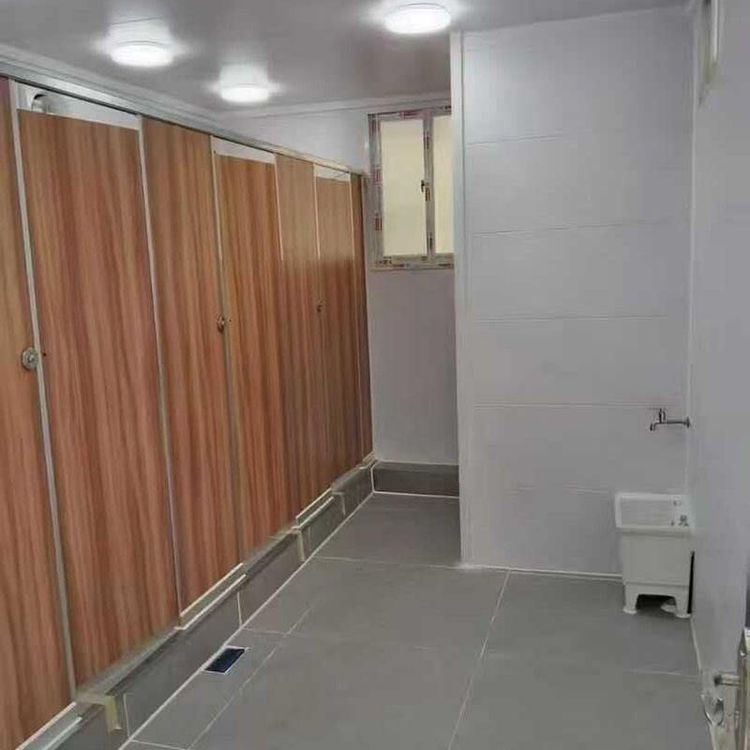
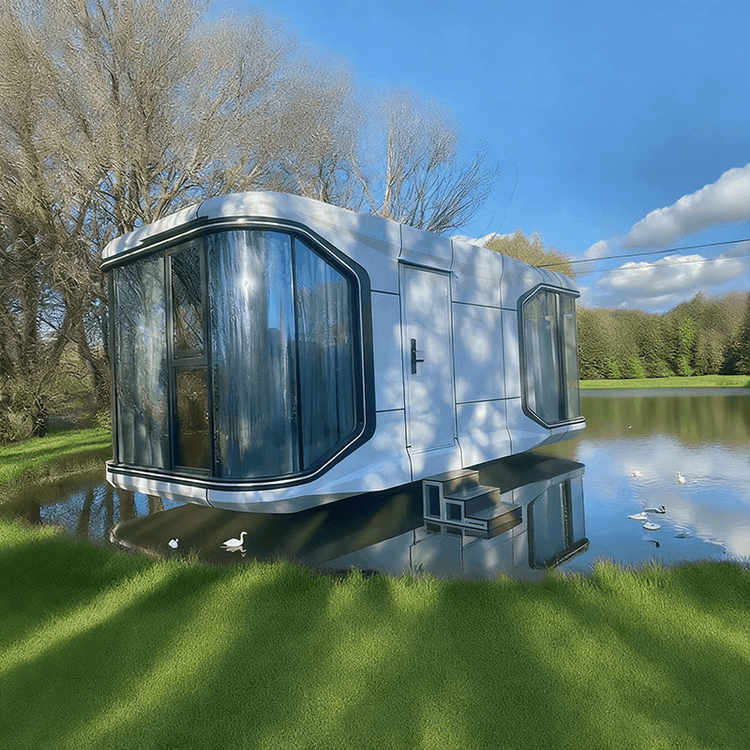
From the perspective of modular design, container module houses come in standard sizes ranging from 20 feet to 60 feet. This modular design makes the construction process of container houses more efficient and convenient. Each container module can be prefabricated in a factory, including interior decoration and electrical and plumbing installations, and then transported to the site for rapid assembly. This not only shortens the construction period but also reduces the workload of on-site construction and environmental pollution. Additionally, modular design facilitates the disassembly and relocation of container houses. When the usage location needs to be changed, they can be disassembled and reassembled, enabling the recycling of resources.