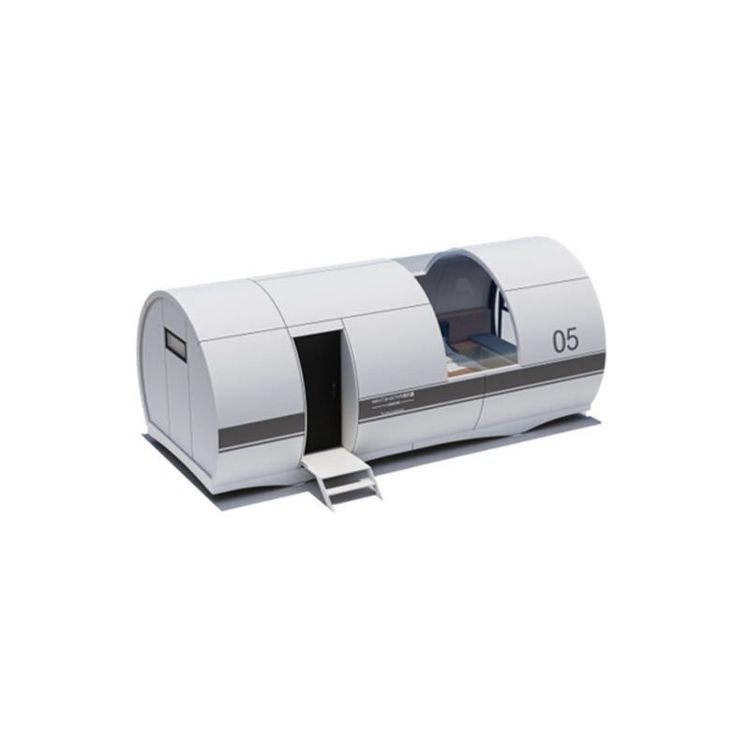
Container House Soft Decoration Matching
The soft decoration matching of container houses should be combined with spatial characteristics, focusing on a unified tone, clear hierarchy, and a touch of embellishment, while emphasizing functional suitability and personalized expression.

1. Unified Tone, Setting the Overall Atmosphere
The hard decoration of container houses often features metal and wood as the main materials, and the soft decoration should revolve around the core color scheme. It is advisable to prioritize soft color tones similar to those of the walls and floors, such as off-white, light gray, and natural wood colors, to avoid color conflicts. For example, in one case, the exterior of the container was painted black, while the interior was dominated by natural wood colors, creating a visual impact through distinct color differences while maintaining overall harmony. Large soft furnishings (such as curtains and carpets) should be in harmony with the hard decoration tones, softening the rigidity of the metal structure and enhancing a warm and healing home atmosphere.
2. Clever Use of Embellishments, Enriching Spatial Hierarchy
On the basis of a unified tone, introduce bright colors or unique textures through small-area soft furnishings to break the monotony. For instance, throw pillows, decorative paintings, and potted plants can incorporate small amounts of dark brown, forest green, or burgundy to create a sense of layered contrast. In one container case, the bedroom used black fire-resistant materials to decorate the area around the fireplace, echoing the overall style while adding detailed highlights through material contrast. Embellishments should be restrained and simple, avoiding excessive clutter that can lead to visual confusion.
3. Functional Suitability, Differentiated Matching
Adjust the soft decoration style according to the function of the space: the living room should be relaxed and grand, with soft and harmonious color schemes suitable for social gatherings; the bedroom should focus on tranquility and healing, with warm and elegant tones; the kitchen and bathroom should prioritize simplicity and practicality, improving space utilization through linear layouts and concealed storage. For example, in a 15-square-meter container case, the bedroom featured a foldable custom bed that served as a sofa during the day and expanded into a double bed at night, combining functionality and flexibility.
4. Personalized Expression, Breaking Traditional Frameworks
The soft decoration of container houses can break away from conventions and incorporate minimalist, industrial, or rustic styles. For example, the exterior can be painted in vibrant colors, while the interior is paired with natural wood furniture and large glass windows, creating a contrast between natural light and metal structures; or through the use of solar panels and adjustable walls, enhancing a sense of technology and sustainability. Personalization should be coordinated and unified with the overall design, avoiding a disjointed style.
You may also like
Portable Toilet For Sale Pricing: What You Need to Know
Read More
Portable Toilet Movable Eco-Friendly: A Practical Buyer's Guide
Read More
Portable Toilet Flat Roof Explained: How to Choose the Right One
Read More