
How Long is the Shelf Life of Container Houses?
The shelf life (service life) of container houses varies depending on factors such as type, material, maintenance condition, and usage environment, ranging from as short as 2 years to as long as 30 or even 50 years. Here is a detailed analysis:
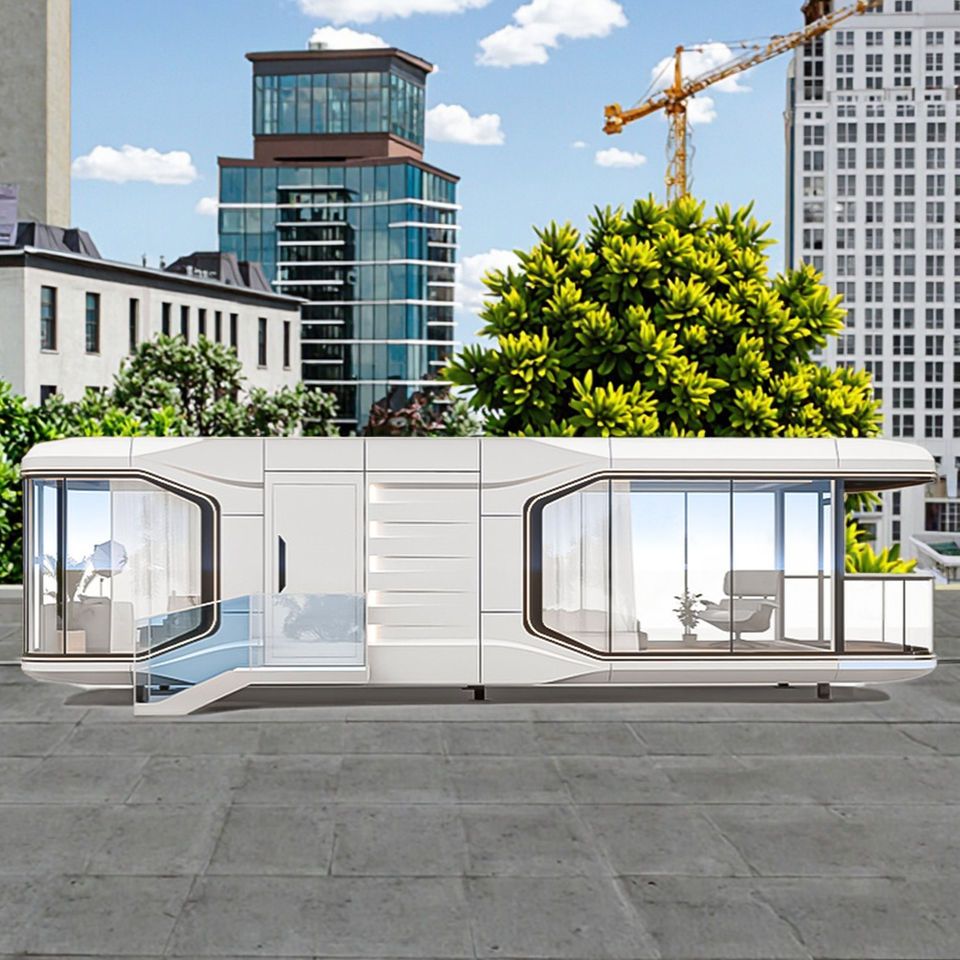
1. Type differences affect service life
Container houses can be classified into various types based on their purpose and structure, with significant differences in service life among them. For example, container homestays typically have a service life of 2-30 years, depending on the material and maintenance level. New container mobile homes are designed for a lifespan of 15-20 years, which can be extended to over 25 years with proper maintenance. The service life of second-hand containers varies depending on their original condition, usage history, and repair status, ranging from 5-10 years to over 15 years. Additionally, assembled houses generally have a service life of 5-20 years, box-type houses 8-15 years, specially designed box-type houses up to 25 years, and light steel villas can last up to 50 years after professional technical treatment.
2. Material is the core factor determining lifespan
The material of container houses directly affects their corrosion resistance and structural stability. For example, the thickness of the steel plate significantly impacts lifespan: a 0.6mm thin plate may not last more than 8 years in a coastal humid environment, while galvanized steel over 1.2mm thick shows no signs of rust after 15 years of normal use. Furthermore, hot-dip galvanized materials, with stronger corrosion resistance, are more suitable for high-humidity environments such as seaside areas. Insulated aluminum windows and doors can effectively improve the thermal insulation performance of houses in cold regions, indirectly extending their service life.
3. Maintenance condition significantly affects actual lifespan
Regular maintenance is key to extending the lifespan of container houses. For example, regularly tightening screws can prevent structural loosening, clearing roof water can avoid rusting, and applying anti-rust paint can enhance corrosion resistance. Without proper maintenance, even houses made of high-quality materials may prematurely fail due to rusting or structural damage.
4. Usage environment restricts lifespan
Environmental factors are external conditions that affect the lifespan of container houses. For example, in northeastern China, where winters are cold, insulated aluminum windows and doors are needed to reduce heat loss. In seaside environments with high salt content, hot-dip galvanized materials or anti-corrosion coatings are required. In humid areas, enhanced ventilation design is necessary to prevent internal condensation. If the environment does not match the material, the lifespan of the house may be significantly shortened.



