Container House for Rural Courtyard
It is feasible to use container houses for the renovation of rural courtyards, but factors such as cost, design, approval, and maintenance need to be comprehensively considered.

I. Cost and Price The price of container houses varies significantly depending on their size, material, and configuration. For example, the price of a basic container house ranges from 65 to 150 yuan per square meter, suitable for scenarios with limited budgets and low requirements for living comfort. If higher quality is pursued, such as integrated villas or modular homes, the price may rise to several thousand yuan or even higher per square meter. Additionally, the cost of renovating a used container can be further reduced. For instance, in the case of Xiaogan, Hubei, the homeowner spent only 13,000 yuan to transform a used container into a fully functional living space.
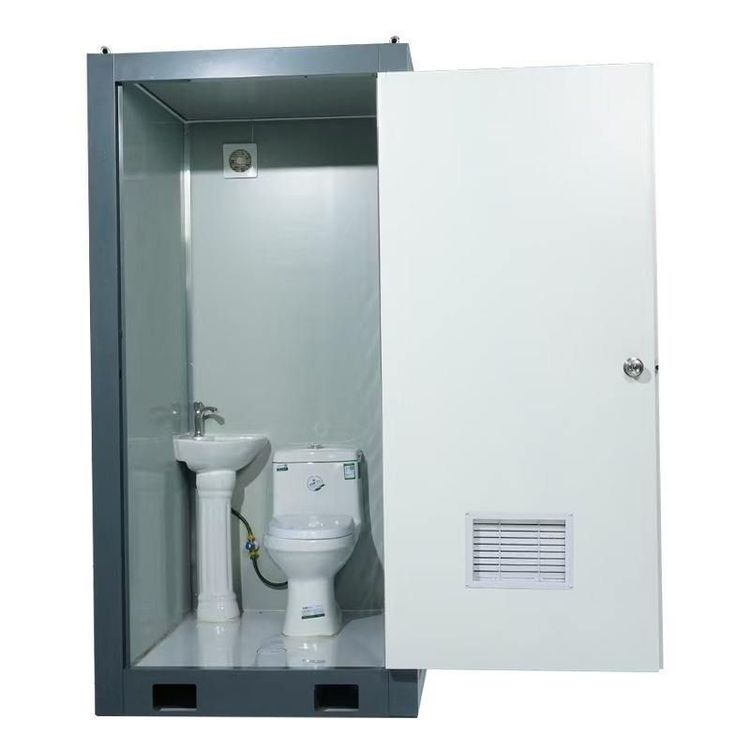
II. Design and Functional Layout The design of container houses should focus on space utilization and functional zoning. By combining or stacking them in different layers, functional areas such as living rooms, bedrooms, and bathrooms can be expanded. For example, connecting two containers can create a flat layout of about 100 square meters, including a living-dining room, two bedrooms, and a bathroom with a bathtub. For small units, it is recommended to use multi-functional furniture, such as folding beds and integrated cabinets, to enhance space flexibility. Lighting and insulation are key design considerations, which can be achieved by installing large floor-to-ceiling windows, roof skylights, and internal insulation layers to ensure warmth in winter and coolness in summer.
III. Approval and Compliance Building container houses on rural homesteads requires obtaining construction approval and providing structural drawings stamped by an engineer. Construction is strictly prohibited on cultivated land and basic farmland, while forestry approval is required for forest land. Leased land is mostly used for temporary structures, and the contract must specify the nature of use. Unauthorized construction of containers may be identified as illegal structures and face the risk of demolition.
IV. Maintenance and Durability The main body of a container is made of steel, and the core of maintenance lies in rust prevention, waterproof sealing, and preventing internal condensation. During the construction phase, the cut and welded edges should be polished and coated with epoxy primer and topcoat. The welds, corners, and other rust-prone areas should be inspected annually, with more frequent maintenance required in humid southern regions. The sealant around doors, windows, and container joints should be replaced regularly to prevent water accumulation and corrosion of the steel plates.