Container House Roof Tiles
Container house roofs generally do not directly use traditional tiles, but roofing materials with the appearance or functionality of tiles can be used, and in special design scenarios, ceramic tile panels may also be used to cover the roof. Here is a detailed analysis:
Conventional Roofing Materials for Container Houses
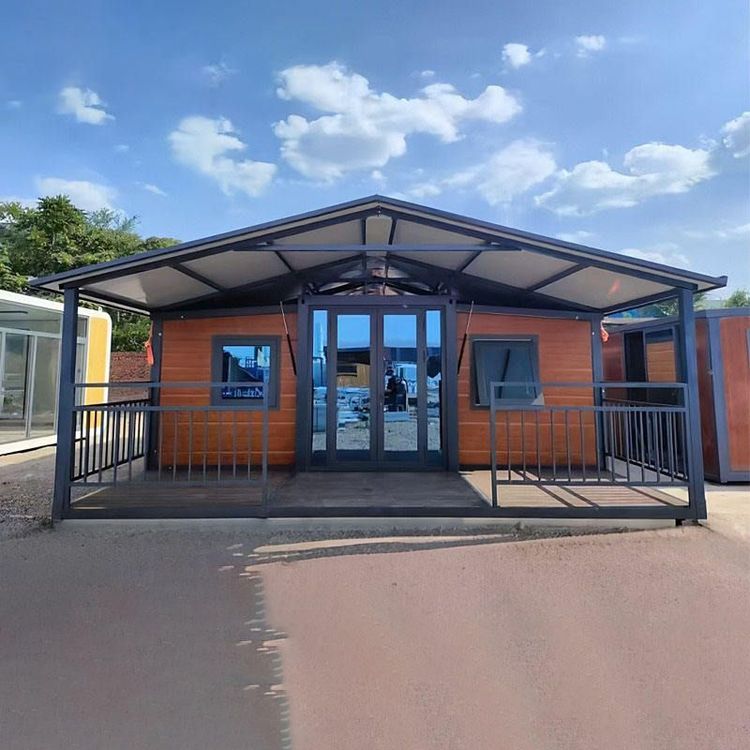
Most conventional container house roofs are made of metal materials, such as galvanized steel roofs. These materials are sturdy, durable, waterproof, and can be quickly installed, meeting the needs of container houses for mobility and flexible construction. For example, some prefabricated container houses are equipped with sturdy galvanized steel roofs that can be quickly installed and are suitable for scenarios such as garages, carports, and parking lots. There are also fiberglass-reinforced plastic (FRP) roofing materials, such as lightweight and high-strength FRP skylight panels, which have characteristics such as yellowing resistance, UV resistance, and impact resistance. They can be used as roofing materials for greenhouse factories and can also be used for the skylight sections of container house roofs.
Roofing Materials in Special Design Scenarios
In some container building projects with high requirements for architectural appearance and performance, special materials are used to cover the roof. For example, in the [Lucia Container Home] project in California, to meet urban requirements and cover the original exterior of the container, the design team selected [Crossville] ceramic tile panels to cover the entire structure. The color of these ceramic tile panels is in the Oxide series, which mimics the appearance of Corten steel, retaining an industrial and stylish look. At the same time, it provides long-lasting durability for the installation and greatly influences the overall style of the house, creating a fashionable appearance.
Reasons Why Traditional Tiles Are Not Suitable for Conventional Container Roofs
Traditional tiles, such as subway tiles and roofing tiles, are usually heavy and brittle. Container house roofs need to withstand certain loads such as wind, rain, and snow, and may experience vibrations and deformations during transportation and movement. If traditional tiles are used, the excessive weight may increase the burden on the container structure, leading to roof deformation or even damage. Moreover, the brittleness of the tiles may cause them to break during vibrations or collisions, affecting the waterproofing and aesthetic performance of the roof.