Container Environmental Protection Integrated House
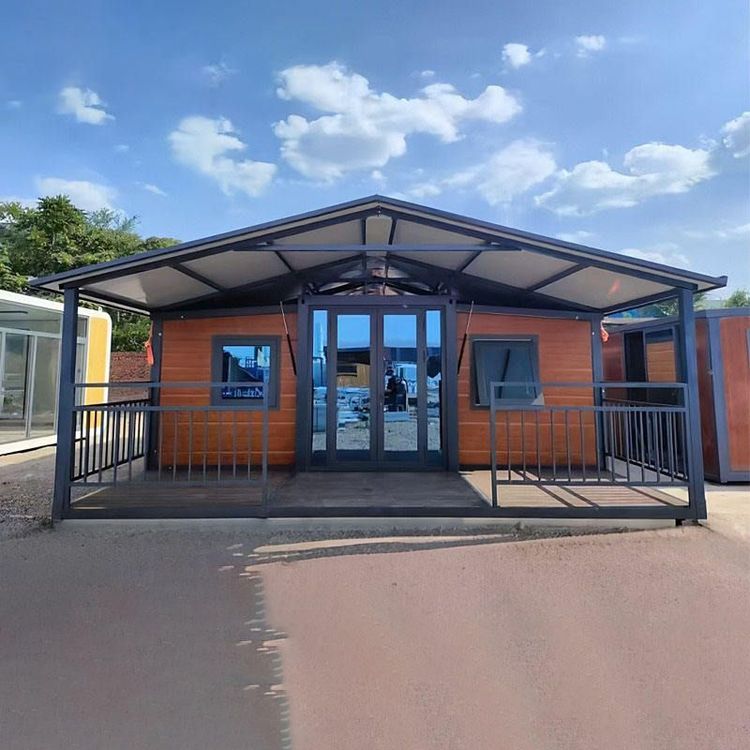
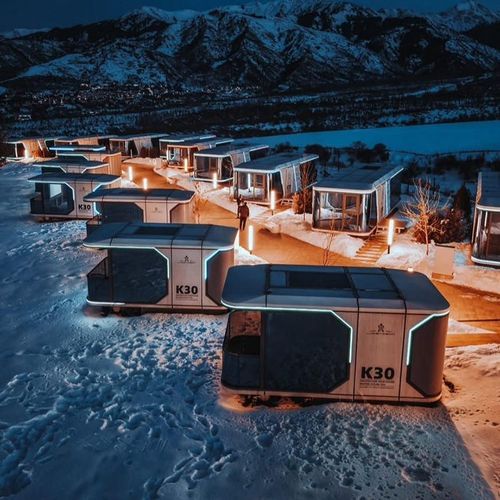
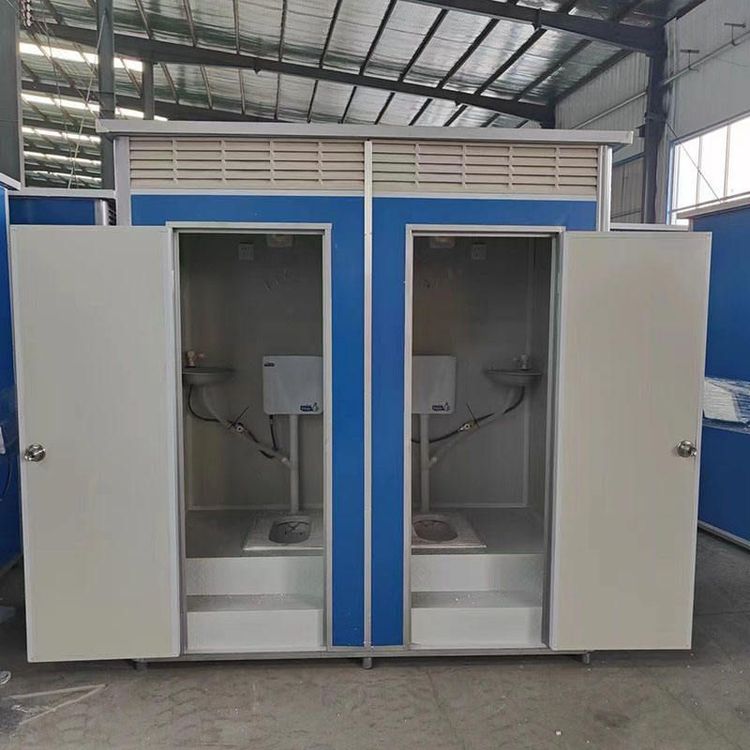
The container environmental protection integrated house is a recyclable, low-carbon, and environmentally friendly temporary or permanent building formed through structural modification and functional integration based on containers as the basic modules. It has advantages such as flexible adaptation, controllable costs, and rapid deployment, and is widely used in scenarios such as engineering camps, cultural and tourism accommodations, and emergency support.

I. Core Advantages
Environmental Protection and Low Carbon
Container houses use steel as the main structure, with materials that can be 100% recycled and reused. The amount of construction waste generated is reduced by approximately 90% compared to traditional concrete buildings. On average, compliant products from leading manufacturers can be disassembled and reused more than 8 times, aligning with the policy orientation of the circular economy. For example, the Baotou Camp Container House Company has extended the service life of container bodies to over 15 years through thermal-break lining structures and anti-corrosion treatments, reducing resource consumption.Structural Stability
The all-steel structural frame, combined with high-strength light steel, offers excellent wind and earthquake resistance. Measured data shows that the packing boxes from Suzhou Zhongnan Steel Structure Co., Ltd. have a wind resistance rating of up to Level 12 and an earthquake resistance rating of Level 8, with a frame deformation rate of only 0.18%, far below the industry's acceptable threshold of 0.3%. They are suitable for coastal typhoon zones and high-intensity earthquake zones.Rapid Deployment
Modular design supports factory prefabrication and on-site dry construction, allowing for the completion of lifting, unfolding, and water and electricity connections within 1 hour, without the need for wet operations throughout the process. Foldable containers, when folded, have a volume that is only 1/5 of their unfolded state, and a single truck can transport 20 sets, significantly reducing transportation and storage costs.
II. Technical Features
Integrated Prefabrication
Components such as structure, insulation, doors and windows, and water and electricity systems are all integrated in the factory and can be used directly upon arrival. For example, the double-wing foldable expansion design increases space by 2-3 times and supports one-button opening and closing operations.Multi-Scenario Adaptation
Through horizontal splicing and multi-layer stacking, functional spaces such as office areas, dormitory areas, and reception areas can be freely combined. Customized exterior facade and internal functional modification technologies enable expansion from single engineering scenarios to diverse fields such as cultural and tourism homestays and mobile commerce.Intelligent Environmental Protection System
An integrated self-circulating sewage system achieves gray water filtration and black water anaerobic fermentation through sewage collection tanks and gravity separators, with high water resource reuse rates, suitable for wild environments without water and electricity.
III. Application Scenarios
Engineering Camps
As a core solution for temporary office and accommodation, it supports multiple disassemblies and relocations, reducing project cycle costs.Cultural and Tourism Accommodations
Through personalized exterior and interior layout designs, high-end products such as internet-famous homestays and scenic area inns are created, enhancing user experience.Emergency Support
The portable and foldable characteristics meet the needs for rapid transportation, and the hydraulic automatic unfolding structure enables deployment within 5 minutes, improving rescue efficiency.