Rock Wool Insulation for Container House Roof
Using rock wool insulation for the roof of a container house is an effective and feasible solution, with core advantages including outstanding thermal insulation and fire resistance, and significantly improving indoor comfort.

Principle and Advantages of Rock Wool Insulation
Rock wool is an inorganic material made by fiberizing natural ores such as basalt after high-temperature melting. It has the characteristics of high density and low thermal conductivity. Its fibrous structure can effectively block heat conduction and reduce heat exchange between the indoor and outdoor environments. Especially in areas with large temperature differences (such as mountainous regions in Guizhou), the indoor temperature of container houses using rock wool insulation can be 8 - 10℃ higher than the outdoor temperature, significantly reducing heating energy consumption. In addition, rock wool belongs to Class A non-combustible material and has excellent high-temperature resistance, meeting building fire protection regulations and ensuring living safety.
Implementation Methods of Rock Wool Insulation for Container House Roof
Application of Rock Wool Sandwich Panels
A common practice is to embed rock wool as a sandwich layer into color-coated steel sheets to form composite panels. For example, in the patented technology of Suzhou Tiandi Color-coated Steel, an installation chamber is set inside the container roof panel, and rock wool is filled to enhance insulation performance. At the same time, materials such as polyurethane foam are combined to improve overall protection. These panels can be directly used as the roof structure, serving both load-bearing and insulation functions.High-density Rock Wool Filling Process
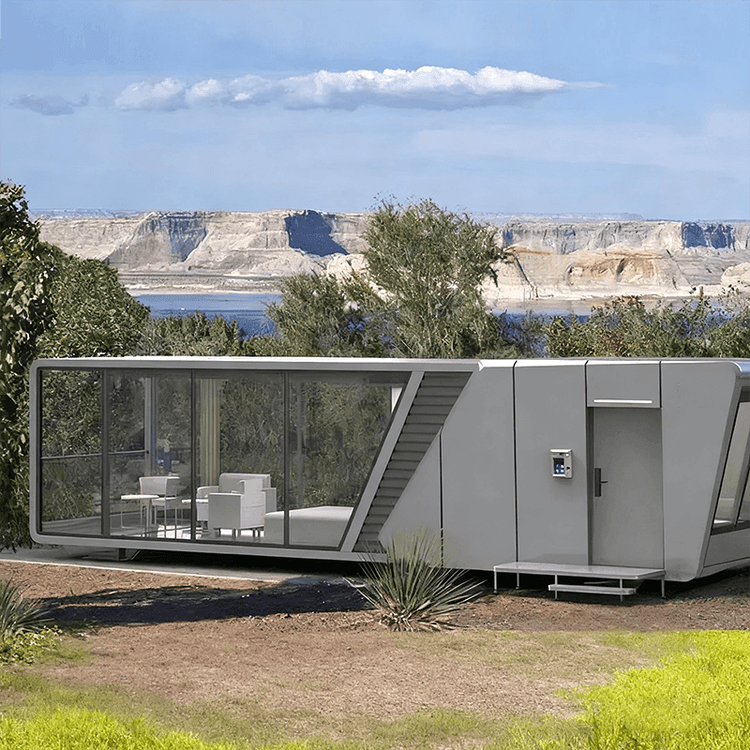
In high-end scenarios such as cultural and tourism space capsules, high-density rock wool is filled inside the roof, and it is paired with thermal break insulation technology (such as thermal break aluminum doors and windows) to further block heat and cold conduction. This design can effectively avoid condensation problems in winter and improve sound insulation performance, meeting the needs of long-term residence.
Practical Application Effects and Cases
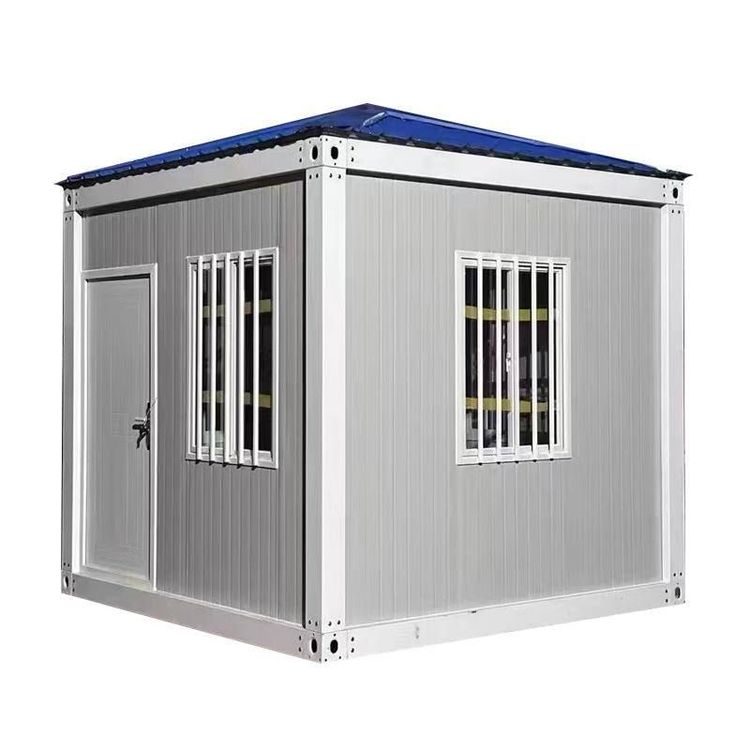
- Temporary housing on construction sites: A construction site in Guizhou uses color-coated steel sheet container houses with rock wool sandwich cores. In winter, only a small electric heater is needed to quickly raise the temperature, and the good airtightness and low cold air infiltration result in reduced electricity expenses.
- Cultural and tourism space capsules: Regular space capsules achieve long-term use for homestays and shops through high-density rock wool filling and thermal break insulation design, maintaining stable indoor temperature and humidity and significantly improving comfort.
Precautions
- Material selection: Hydrophobic rock wool boards should be selected to prevent a decrease in insulation performance due to rainwater infiltration.
- Construction specifications: The rock wool layer should be closely attached to the roof structure to avoid gaps that can create thermal bridges; the interfaces of doors and windows should be well sealed.