
Back to blog
Article
Container House Roof Design
Admin September 15, 2026
Container house roof designs are diverse, with common types including flat roofs, pitched roofs, arch roofs, triangular roofs, and roofs with terraces.
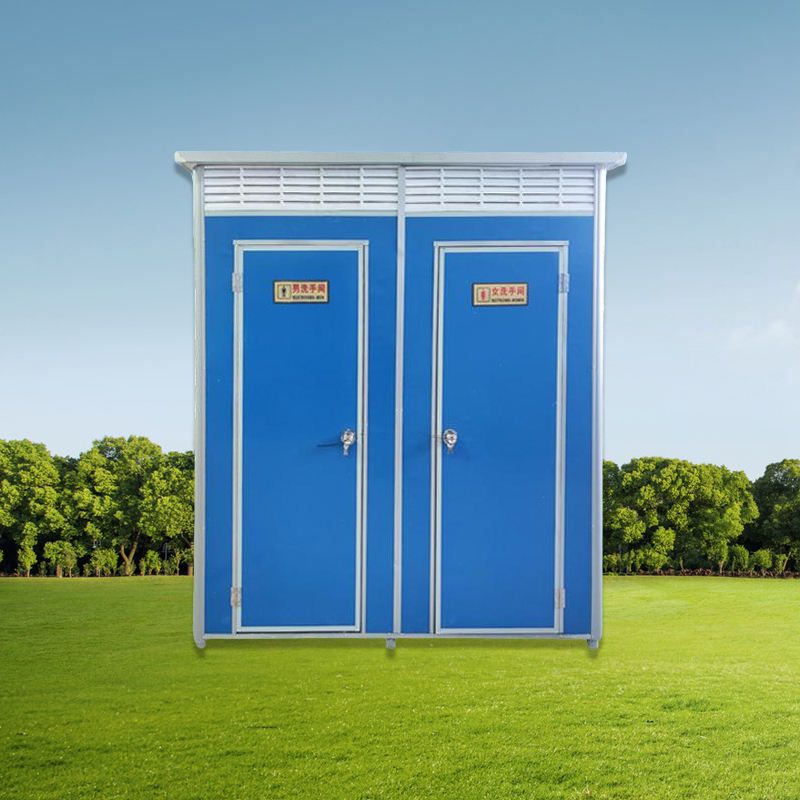
- Flat Roof: Flat-roof container houses are relatively common. Their roofs are flat, making construction relatively simple and cost-effective. This roof type is suitable for areas with low drainage requirements and relatively dry climates. In some commercial container buildings, flat roofs can also serve as platforms for placing billboards, solar panels, and other equipment.
- Pitched Roof: Pitched-roof container houses offer excellent drainage performance. Rainwater can quickly flow down the slope, reducing the likelihood of water accumulation on the roof and lowering the risk of roof leakage. The design of pitched roofs also enhances the aesthetic appeal of the house, giving it a more layered look. Pitched-roof container houses are more suitable for areas with high rainfall.
- Arch Roof: Arch roofs are not only uniquely beautiful but also structurally stable. They can withstand significant pressure, evenly distributing the force to the containers on both sides and reducing the risk of excessive local stress on the roof. Additionally, arch roofs have high space utilization, allowing for some usable space beneath the roof.
- Triangular Roof: The design of triangular roofs responds to tropical climates and heat transfer issues. The metal panels at the top protect occupants from heat and rain, while the translucent middle section allows natural light to penetrate the interior, enhancing indoor lighting. The lower part of the roof is equipped with steel louvered shutters that can block rainwater and strong light while allowing air to flow through the cabin, maintaining ventilation and preventing heat buildup in the room.
- Roof with Terrace: Some container houses are designed with terraces on the roof. Terraces can serve as recreational spaces where people can sunbathe, host gatherings, and more. This design adds functionality and interest to the house, enriching people's living experiences.



