Profit from Container House Rental
The profit from renting out container houses varies depending on the region, operational scale, and cost structure, but the industry's average net profit is approximately 1,000 yuan per container per year, with large-scale operations capable of achieving annual profits in the millions.
I. Basic Industry Profit Data
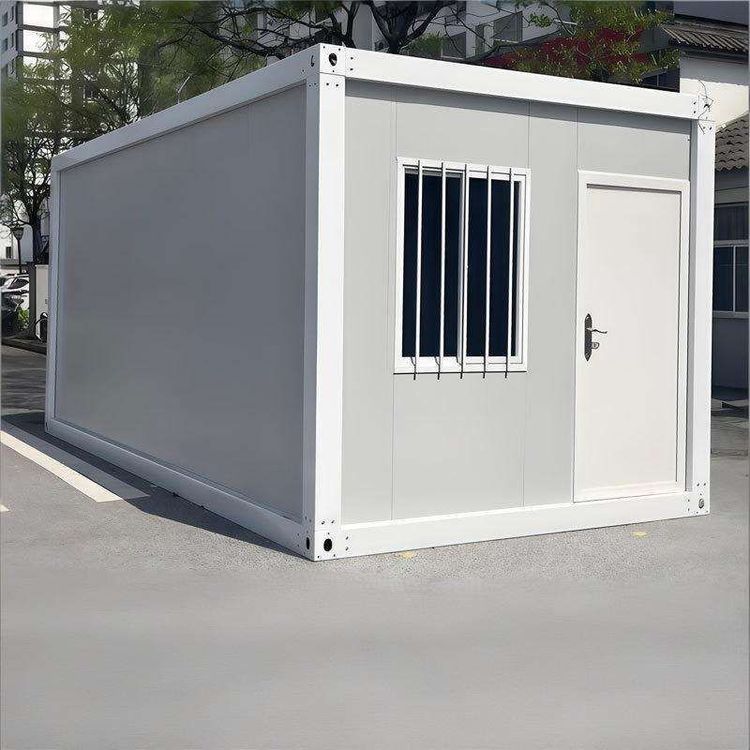
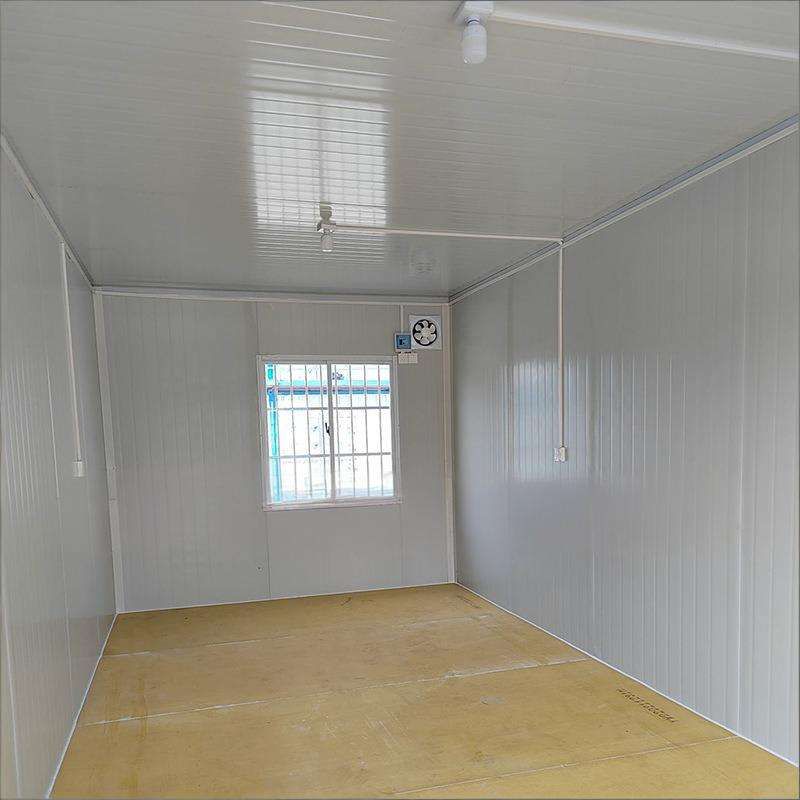
Taking the Chongqing region as an example, the annual rental income for a single container house (18 square meters) is approximately 2,000 yuan (calculated at 6 yuan per day for a 300-day rental period), with production costs around 8,000 yuan, resulting in a sales profit of 2,000-4,000 yuan per unit. In rental mode, after deducting costs such as labor, site, and taxes, the annual net profit per container is approximately 1,000 yuan. If a company rents out 2,000 containers annually, the theoretical annual profit could reach 2 million yuan, though actual figures must account for vacancy rates and maintenance costs.
II. Profit Drivers
Cost Structure Optimization
Bulk purchasing can reduce container manufacturing costs, with individual costs potentially dropping below 7,000 yuan in mass production. Additionally, long-term cooperation with construction sites can minimize transportation and site expenses, with some companies further reducing costs by establishing their own storage yards.Rental Pricing Strategies
Rental prices fluctuate based on configuration and rental duration. For instance, containers equipped with air conditioning and beds can command daily rents of 10-15 yuan, while basic models maintain daily rents of 6-8 yuan. Long-term leases (over 1 year) can secure stable income, while short-term leases (3-6 months) enhance profitability through high turnover rates.Market Supply and Demand
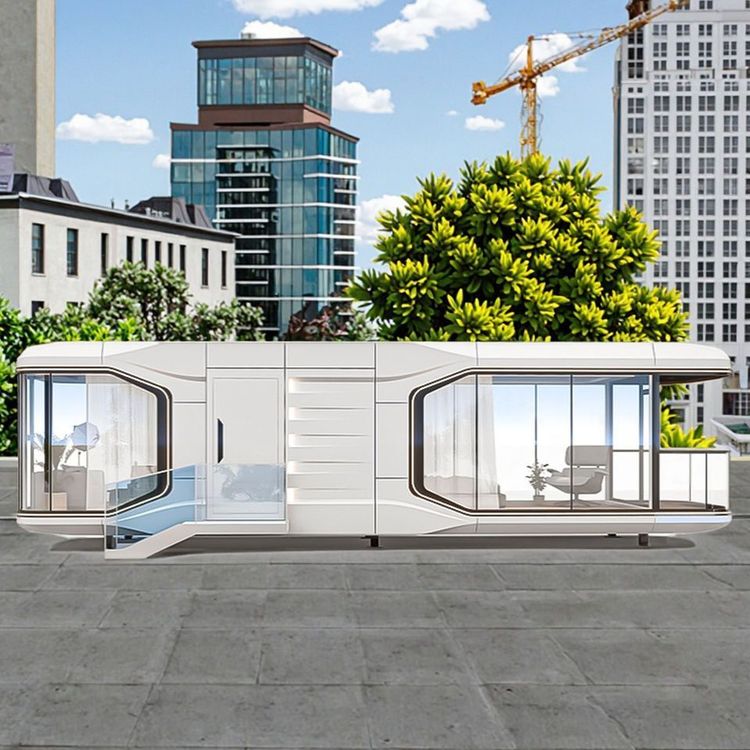
Demand is strong in scenarios such as construction sites, post-disaster reconstruction, and temporary offices, particularly around first- and second-tier cities, where container houses, due to their eco-friendliness and flexibility, are replacing traditional prefabricated houses. The global market for container prefabricated houses is projected to reach $2.96 billion by 2026, with detachable container products accounting for over 60%, indicating sustained market growth.
III. Risks and Challenges
Policy Compliance
The indiscriminate placement of containers by individuals or companies may involve illegal road occupation, necessitating approvals or cooperation with construction sites to mitigate risks, adding operational complexity.Asset Turnover Efficiency
Vacancy rates directly impact profitability, with companies renting out fewer than 500 containers annually potentially unable to cover costs. Leading companies utilize digital platforms to manage container locations and lease terms, boosting occupancy rates to over 90%.Intensified Industry Competition
With forty to fifty companies already operating in Chongqing, price wars may drive down rental prices, squeezing profit margins. Companies must maintain competitiveness through differentiated services, such as customized renovations and rapid maintenance responses.