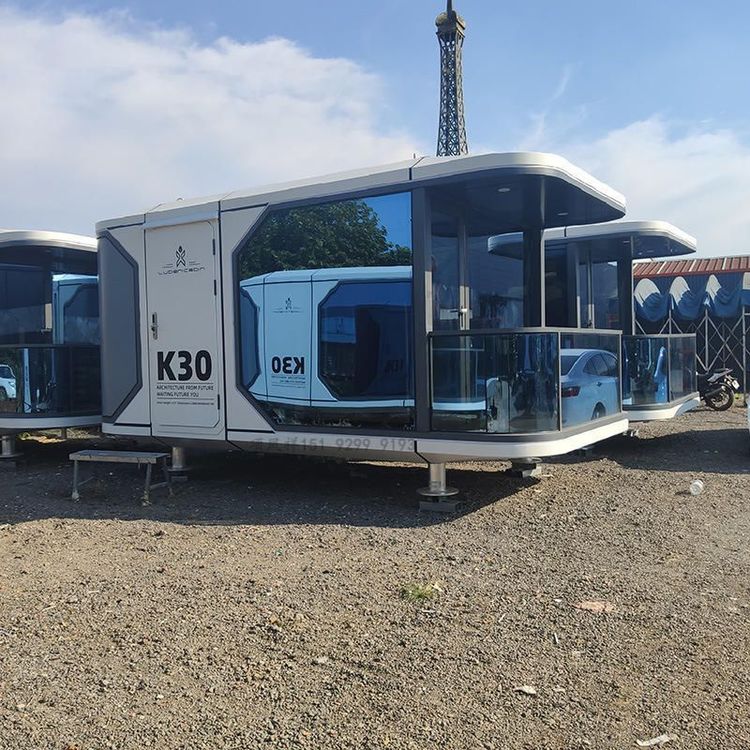
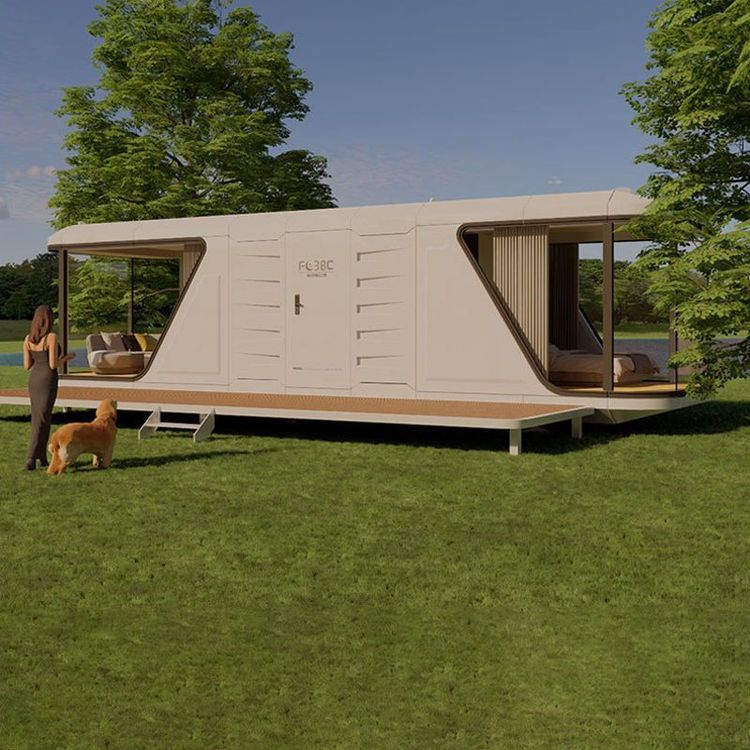
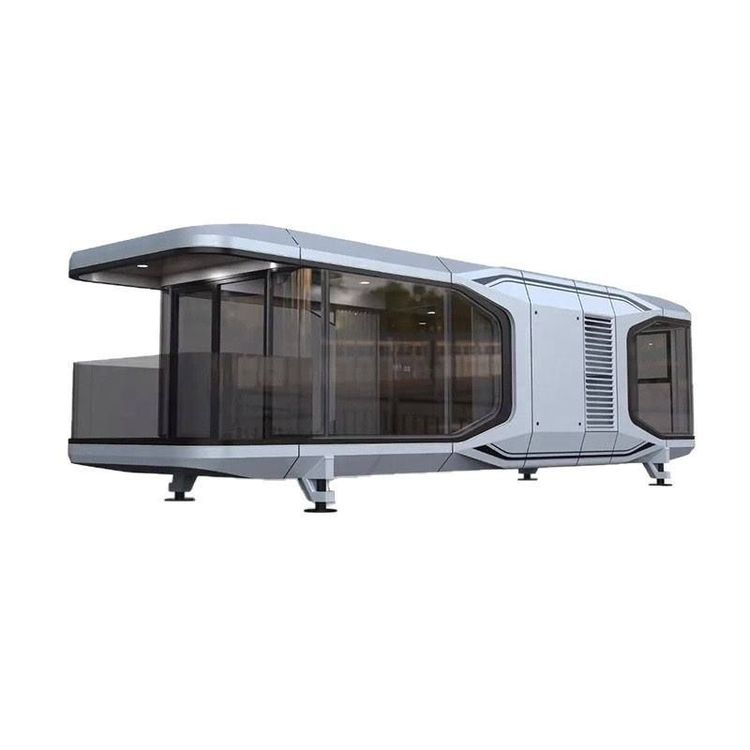
Container House Renovation App
Currently, there is no mature app specifically designed for the renovation of container houses, but relevant needs can be met through comprehensive design and construction platforms as well as some brand services. The following analysis is conducted from three dimensions: functional requirements, technical implementation, and brand services.

I. Matching Functional Requirements with Existing Platforms
The renovation of container houses involves four core aspects: spatial design, structural optimization, material selection, and construction management. Existing design platforms (such as Kujiale and 3Vjia) offer 3D modeling and rendering functions, but they lack a dedicated parameter library for modular design of container houses. Users need to manually adjust dimensions to standard container sizes (e.g., 20 feet/40 feet), resulting in low efficiency. Construction platforms (such as Glodon) focus on engineering quantity calculation and provide insufficient support for soft furnishings in the LOFT industrial style. Some brand owners (such as CIMC Construction Technology and Nanjing Changyou Zhizao) offer online customization services. Users can submit their requirements through official websites, and professional teams will generate renovation plans. However, the interactivity is weaker than that of a standalone app.
II. Feasibility of Technical Implementation
Developing a dedicated app requires addressing three major technical challenges:
- Modular Design Engine: It needs to incorporate a standard size library for container houses, support users in dragging and combining unit modules, and automatically verify structural load-bearing capacity and space utilization.
- Material Database: Integrate performance parameters (such as sound insulation and fire resistance ratings) of commonly used industrial-style materials like metal carved panels and aluminum panels to enable dynamic cost-effectiveness comparisons.
- Construction Simulation System: Preview renovation effects through AR technology and generate step-by-step construction guides to reduce on-site operational errors. Currently, some BIM (Building Information Modeling) software have similar functions, but they are not optimized for container scenarios.
III. Alternative Solutions through Brand Services
If users need to quickly implement projects, they can prioritize contacting leading brands in the container house field:
- CIMC Construction Technology: Provides steel structure modular system renovation services, supports the reuse of shipping containers, and has case studies covering commercial and residential scenarios.
- Nanjing Changyou Zhizao: Specializes in customizing internet-famous container houses, offering one-stop services from exterior painting to interior decoration, with a price range of 600-1500 yuan per square meter.
- Haoshi Housing: Its modular products include packing-box houses, suitable for commercial spaces such as guesthouses and cafes. With multiple production bases across the country, it can shorten delivery cycles.
Users can submit their requirements through brand official websites or third-party service platforms (such as Zhubajie.com) to obtain customized plans, with effects similar to those of a dedicated app.