
Back to blog
Article
Portable Toilet Aluminum in 2026: Buying Guide & Recommendations
Admin November 05, 2026
In 2026, the procurement of portable toilets should prioritize sustainability, and the use of aluminum materials should be comprehensively evaluated based on scenario requirements and technical feasibility. There is no clear mainstream recommendation, but customization options can be explored.
I. Market Trends and Core Needs
In 2026, the portable toilet market will be driven by three main directions:
- Environmental Protection Demand Dominates: The popularity of global outdoor activities and stricter environmental regulations are driving portable composting toilets to become mainstream. These products use natural decomposition technology to achieve odor-free and rapid waste conversion, suitable for RV travel, camping, and emergency scenarios. Their core advantages include no need for flushing, chemical additives, or external drainage.
- User Behavior Upgrades: Consumers prefer compact, easy-to-maintain, and health-friendly products, such as models with water-saving designs, smart monitoring functions (e.g., APP remote monitoring), or modular structures.
- Expansion of Special Scenarios: Medical needs (e.g., for chronic patients), housing upgrades due to remote work, and increased disaster prevention awareness further expand market coverage.
II. Product Types and Suitable Scenarios
- Portable Composting Toilets:
- Suitable for long-term off-grid living (e.g., RVs, cabins). Prioritize models with high decomposition efficiency and strong durability, and pay attention to innovative features such as modular design or solar power.
- Mobile Toilets:
- Standalone: Low cost and quick deployment, suitable for short-term events (e.g., music festivals, temporary use on construction sites).
- Trailer-mounted: Equipped with indoor restroom-level facilities (e.g., sinks, ventilation systems), but with higher costs. Evaluate usage frequency and budget.
- Container Toilets:
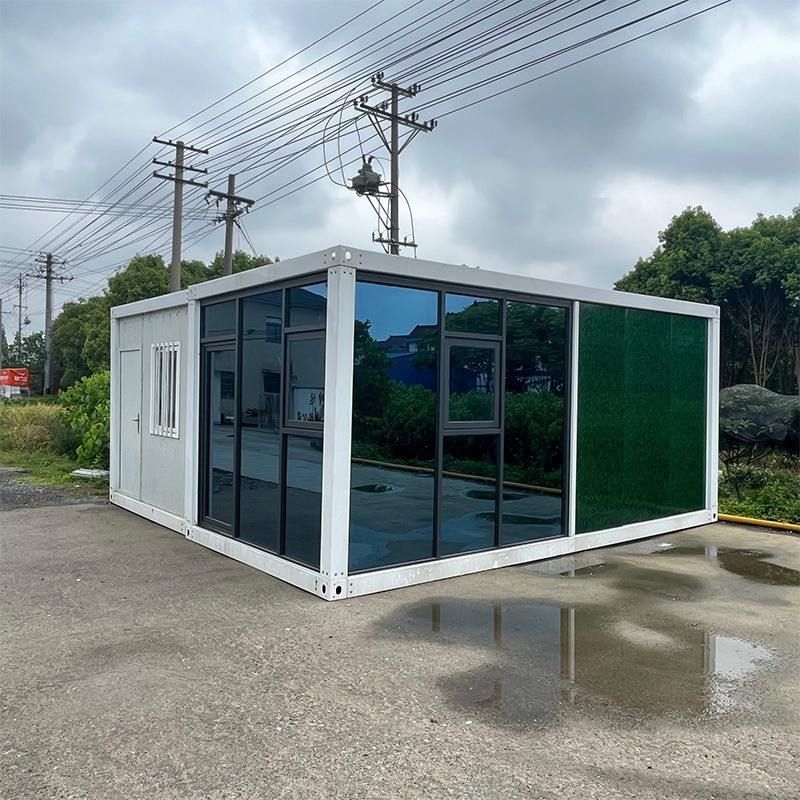
- Primarily made of fiberglass (e.g., Shanghai Sunnyda's SD-578 model), with wind resistance (>220km/h), earthquake resistance (>8 magnitude), and a lifespan of 20 years. Suitable for high-frequency use scenarios (e.g., construction sites, weddings).
III. Potential Applications and Considerations for Aluminum Materials
Although aluminum portable toilets are not explicitly mentioned, if lightweight design is required, the following directions can be considered:
- Material Comparison: Aluminum may be lighter than fiberglass, but its corrosion resistance, cost, and structural strength need to be evaluated, especially for the long-term use requirements of trailer-mounted or container toilets.
- Customization Needs: Communicate with suppliers to see if they support customization options for aluminum frames or shells, and confirm technical feasibility and production cycles.
IV. Procurement Recommendations
- Clarify Purpose: Choose product types based on usage scenarios (short-term/long-term, high-frequency/low-frequency) and balance functionality and cost.
- Verify Qualifications: Prioritize products that have passed ISO and CE certifications to ensure compliance with safety and environmental standards.
- Supplier Cooperation: Choose platforms that offer local warehousing, fast shipping (e.g., within 48 hours), and AI product selection services to reduce procurement risks.
Related



