Back to blog
Article
Regulations on Container Houses
Admin September 15, 2026
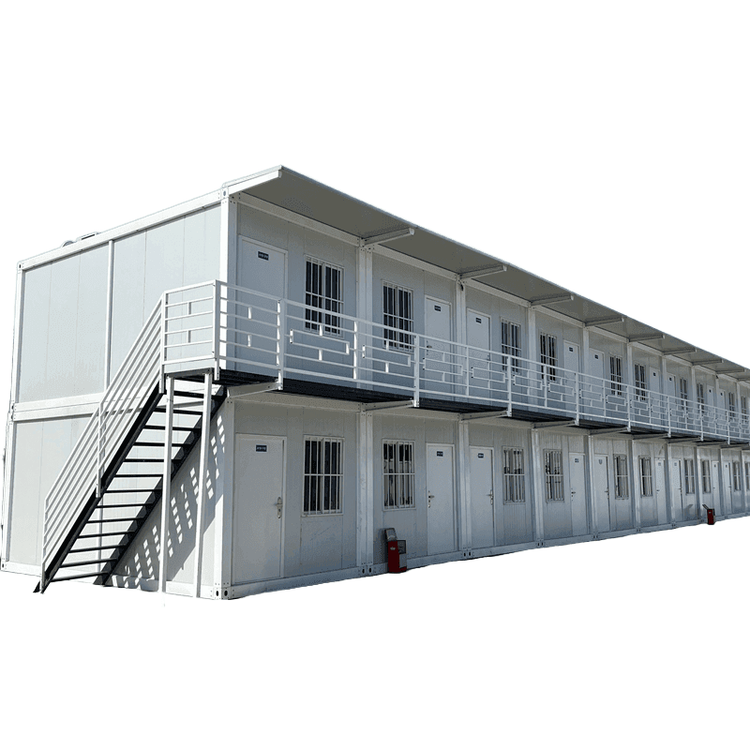
Whether a container house constitutes an illegal structure depends on specific conditions. Generally, it is not considered illegal if the ground is not hardened, the land use is not changed, and it complies with local regulations; otherwise, it may be identified as an illegal structure.

Core Criteria for Determining Illegal Construction of Container Houses
According to the Urban and Rural Planning Law of the People's Republic of China and local practices, the following criteria are used to determine whether a container house is an illegal structure:
- Obtaining Planning Permission: If no construction project planning permit is applied for or obtained, and a container house is constructed without authorization, it constitutes a core characteristic of illegal construction. For example, placing a container house on a homestead without approval may involve illegal land use or illegal construction.
- Changing Land Nature: If a container house is used for business operations, residential purposes, or changes the land use (e.g., using farmland for non-agricultural construction), it may be identified as an illegal structure even if the ground is not hardened. For example, if a container house in a field is connected to utilities and used for long-term residence or converted into a commercial homestay, it falls under the category of "substantially changing land use."
- Forming Permanent Occupation: If a container house is fixed by hardening the ground, pouring a concrete foundation, or constructing permanent foundations, it may be identified as a fixed structure and thus constitute illegal construction. For example, a container house with a concrete floor or foundation beams may be suspected of being a permanent building.
Impact of Local Policy Differences on Determining Illegal Construction
Different regions have varying planning standards and building regulations for container houses:
- Open Cities: Cities like Shenzhen and Shanghai have relatively lenient regulations on container houses and have introduced special policies to encourage their use in cultural tourism and commercial sectors.
- Traditional Metropolises or Agricultural Provinces: Regulations are stricter. For example, a new regulation in a certain province in 2025 requires that container houses in fields must be registered as temporary structures, even if they are only used for storing agricultural tools.
Compliance Recommendations to Avoid Illegal Construction
- Consult in Advance: Before placing a container house, consult with local planning departments, land and resources departments, or village committees to understand policy restrictions and clarify the usage period and purpose.
- Handle Ground Compliance: Avoid hardening the ground or constructing permanent foundations to prevent being identified as a fixed structure.
- Limit Usage Nature: Container houses should not be used for business operations or long-term residence to prevent being identified as "substantially changing land use."