Back to blog
Article
Container House Promotion Plan
Admin September 14, 2026
The container house promotion plan should focus on product features, application scenarios, advantages, and marketing strategies to achieve efficient market penetration.

I. Product Types and Core Features
Container houses can be divided into five major categories based on structure and purpose:
- Standard Container Type: Using 20-foot and 40-foot containers as carriers, these are structurally robust and easy to transport, suitable for construction site command centers, temporary offices, and other scenarios.
- Foldable Type: These compress in volume during transportation and can be unfolded in ≤30 minutes, meeting the frequent relocation needs of exploration teams and emergency command centers.
- Modular Type: Combining light steel frames with color steel panels, these are modularly assembled for flexible expansion, commonly seen in temporary park offices and event planning sites.
- Expandable Type: These add side or end expansion modules to the base container, increasing usable area by 30%-50%, suitable for long-term on-site offices.
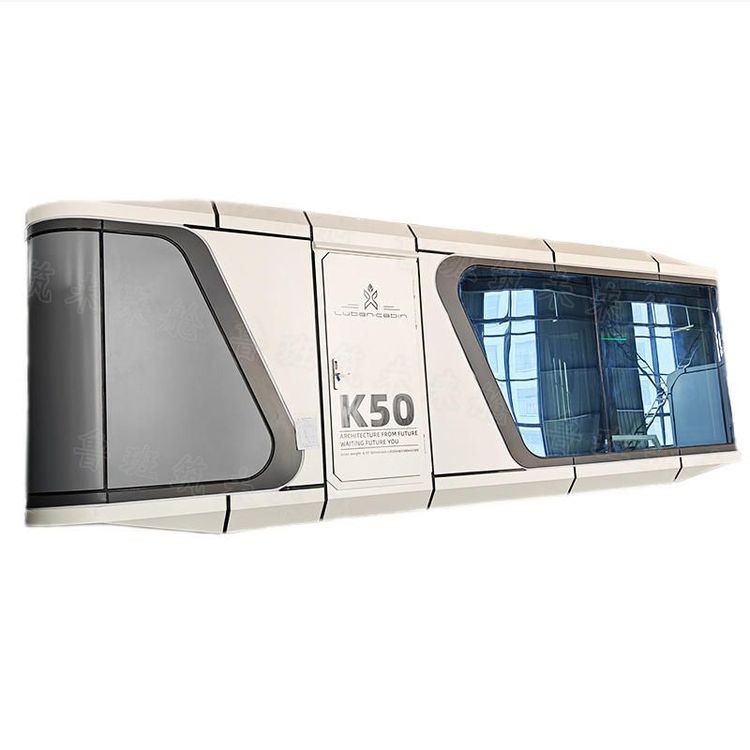
- Customized Creative Type: Incorporating elements like glass curtain walls and wood grain finishes, these are used for brand displays and cultural and creative parks, balancing functionality and visual appeal.
II. Core Advantages and Market Demand
- Green Environmental Protection and Resource Recycling: Containers are standardized steel units, and their modification reduces carbon emissions from steel production by approximately 3.5 tons per unit, meeting resource conservation indicators in green building evaluation systems.
- Rapid Deployment and Cost Advantages: With over 80% prefabrication in factories, only assembly and utility connections are needed on-site, shortening construction cycles by 60%-70% and reducing overall costs compared to traditional buildings.
- Flexibility and Relocatability: Supporting single-unit use or multi-unit assembly, these can be entirely relocated and layouts adjusted, suitable for dynamic market operations and scenic area business updates.
- Diverse Functions: Integrated with bathrooms, smart control modules, and some equipped with photovoltaic panels for energy self-sufficiency, meeting independent operation needs.
III. Target Markets and Promotion Strategies
- Cultural and Tourism Commercial Scenarios: Targeting night market districts and camping bases, promote container sales kiosks and mobile food trucks, emphasizing features like lightweight construction, high-value appearance, and rapid deployment.
- Rural Revitalization Sector: Provide fully steel-framed, sealed, and insulated container homes with customizable layouts and appearances, helping to revitalize idle rural resources and shorten construction cycles.
- Emergency and Temporary Accommodation: Highlight advantages like high safety, wind and earthquake resistance, and corrosion resistance, promoting use in natural disaster relief command posts and construction site dormitories.
- Internet Marketing and Brand Building: Enhance brand awareness and lead conversion rates through case studies, cost comparison analyses, and channels like search engine promotion and industry exhibitions.