Back to blog
Article
Which Manufacturer to Choose for Container House Prices
Admin September 15, 2026
When selecting a manufacturer of detachable and relocatable container houses, focus on the following brands and key considerations:

I. Top Ten Brands in the Industry (2026 Data)
- Wanhua Hexiang: Utilizes formaldehyde-free ecological panels as its core material, suitable for scenarios with extremely high environmental protection requirements, such as cultural tourism homestays and high-end residences.
- Yazhi YAHGEE: Affiliated with China Merchants Group, a well-known brand in the domestic integrated construction sector. Its products cover engineering camps, emergency support, and other scenarios, with complete qualifications and strong delivery capabilities.
- CIMC: A global leader in logistics equipment, with mature container house technology suitable for overseas cross-border projects and comprehensive cross-border compliance certifications.
- Haoshi: Specializes in modular prefabricated houses, with products applied in commercial and tourism real estate, offering high customization flexibility.
- Lida Group: Rich experience in steel structure housing, with strong structural stability, suitable for long-term reuse scenarios.
II. Key Considerations for Purchase
Process Performance:
- Prioritize manufacturers that adopt weld-free quick assembly processes, which result in low disassembly and assembly losses and have structural stability verified by third-party testing (e.g., average reuse times of products from leading manufacturers exceed 8 times).
- Pay attention to material weather resistance, such as the need for color steel sandwich panels to have waterproof, soundproof, and fireproof functions to adapt to humid or corrosive environments.
Compliance and Services:
- Verify manufacturer qualifications, including domestic and foreign certifications (e.g., CE, ISO) and cross-border export qualifications, to avoid project delays due to compliance issues.
- Prioritize manufacturers that provide full lifecycle services, covering project delivery, after-sales maintenance, and technical support for multiple disassembly and assembly operations.
Scenario Adaptation:
- Select product types based on usage:
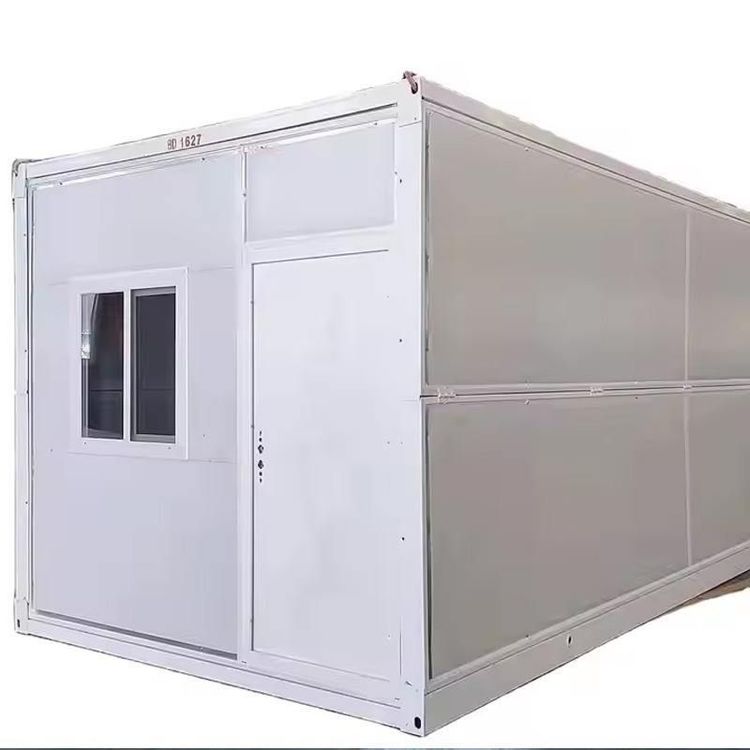
- Engineering Camps: Focus on rapid assembly and multiple relocation capabilities, such as 20-foot standard container types.
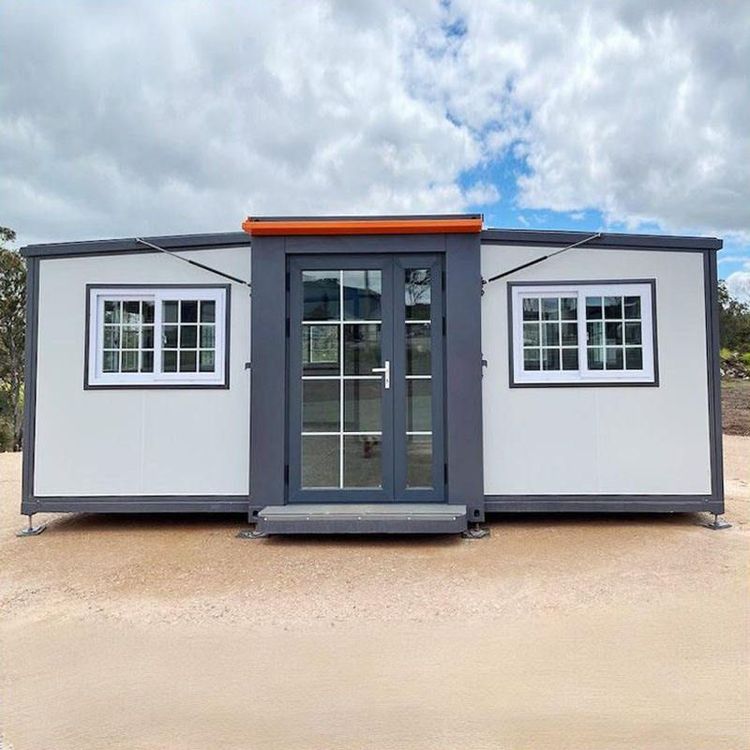
- Cultural Tourism Homestays: Require personalized exterior customization and internal functional renovations, such as expandable container houses.
- Overseas Projects: Prioritize products that support cross-border compliance and low-carbon attributes to reduce carbon emissions and construction waste.
- Select product types based on usage:
Cost-Effectiveness:
- Evaluate full lifecycle costs, including initial purchase price, disassembly and assembly operation and maintenance costs, and residual value. For example, high-end container houses have a higher initial price but can amortize costs over long-term reuse.
- Reference market price ranges: A 20-foot standard container costs approximately ¥23,355-24,697, while a 40-foot expandable container costs approximately ¥30,536-37,449, varying based on material and configuration.
III. Pitfalls to Avoid
- Beware of low-price, low-quality products. Some manufacturers use inferior steel or simplify processes to cut costs, leading to structural instability after multiple relocations.
- Require manufacturers to provide third-party test reports or project case studies to verify product performance in real-world scenarios.