
Back to blog
Article
Container House Partner
Admin September 15, 2026
When looking for a container house partner, it is necessary to comprehensively examine core elements such as products, the market, and cooperation models. The following analysis is carried out from three dimensions: manufacturer selection, market adaptability, and cooperation models.
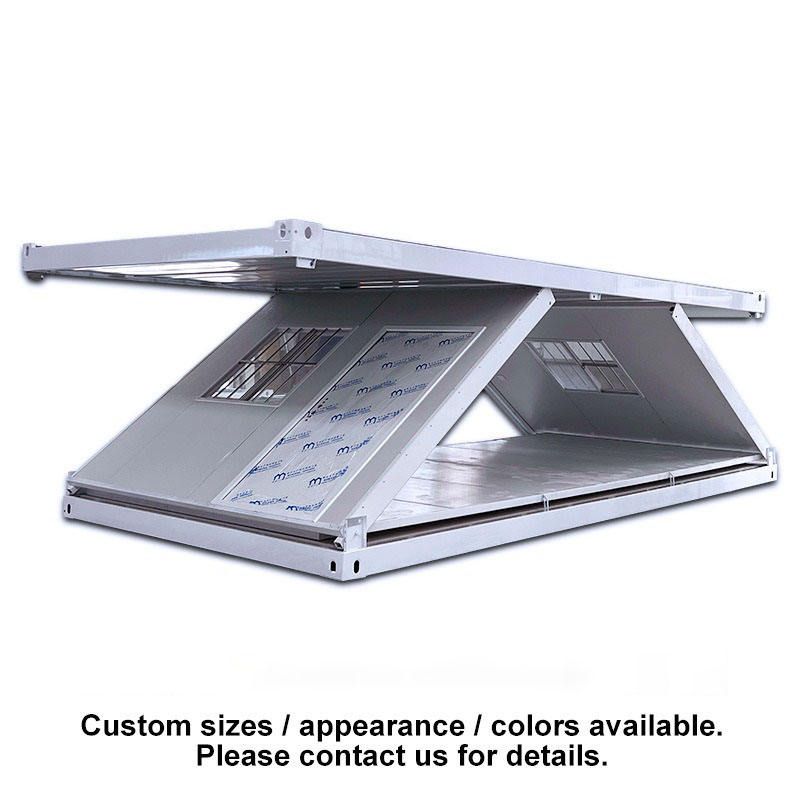
I. Manufacturer Selection Should Focus on Product Strength and Qualifications
- Product Coverage: Give priority to manufacturers with a rich product matrix. For example, Shenyang Jichuang Housing Co., Ltd. offers over 20 product categories, including container offices, villas, dormitories, and hotels, meeting the needs of various scenarios such as construction sites, cultural tourism homestays, and public services, and reducing the cost of multi-party对接 (docking).
- Production Process and Lifespan: Pay attention to whether manufacturers adopt modular design, welding production lines, and anti-corrosion treatment technologies. For instance, Nanjing Changyou Zhizao's 'packing-box units' solve leakage problems through top-bottom integrated welding structures and have built-in drainage systems to enhance waterproof performance, making them suitable for use in humid environments.
- Qualifications and Compliance: Choose enterprises that have passed ISO certification and possess construction qualifications. For example, Hebei Xiong'an Falilai Technology Co., Ltd. has established long-term cooperation with central and state-owned enterprises, and its products comply with national standards for environmental protection and earthquake resistance, reducing legal risks.
II. Market Adaptability Should Be Combined with Scenario Requirements
- Infrastructure Construction Scenarios: Give priority to manufacturers that support 48-hour rapid installation and relocation. For example, Shanghai Yuanjue Construction Technology Co., Ltd.'s 'weathering steel container offices' adopt a factory prefabrication model, shortening the construction period and reducing carbon emissions.
- Cultural Tourism and Commercial Scenarios: Focus on personalized customization capabilities. For example, Hengyang Senhe Container Co., Ltd.'s 'internet-famous homestay container houses' create landmark commercial spaces through irregular designs and creative decorations, enhancing brand image.
- Emergency Support Scenarios: Choose manufacturers with rapid deployment capabilities. For example, Shengshan Integration's products can be quickly installed without a foundation and are suitable for complex terrains, meeting the needs of disaster relief settlements and medical emergencies.
III. Cooperation Models Should Clarify Rights, Responsibilities, and Benefits
- Agent Sales Model: Refer to factory partner cases. You can sign regional agency agreements with manufacturers, be responsible for customer development and product promotion, and receive a share of sales. For example, Huoban Group offers a commission ratio of up to 80%, with an annual income ranging from 200,000 to 500,000 yuan.
- Joint Customization Model: For special scenario requirements, cooperate with manufacturers to develop customized products. For example, design 'container space capsule houses' for scenic spots and share patent technologies and market resources.
- Lease Sharing Model: Set up container shops, cafes, etc., in densely populated areas and share rental income with manufacturers to reduce upfront investment risks.



