Overseas Installation of Container Houses
The installation of container houses abroad is primarily achieved through modular construction methods, namely factory prefabrication and on-site assembly, offering advantages such as efficiency, environmental friendliness, and flexibility.

I. Modular Construction Process
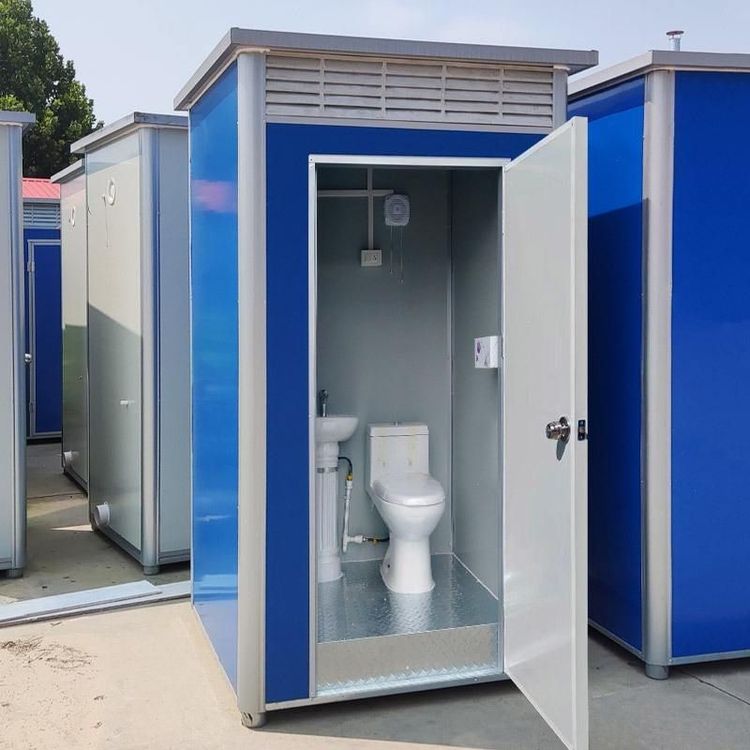
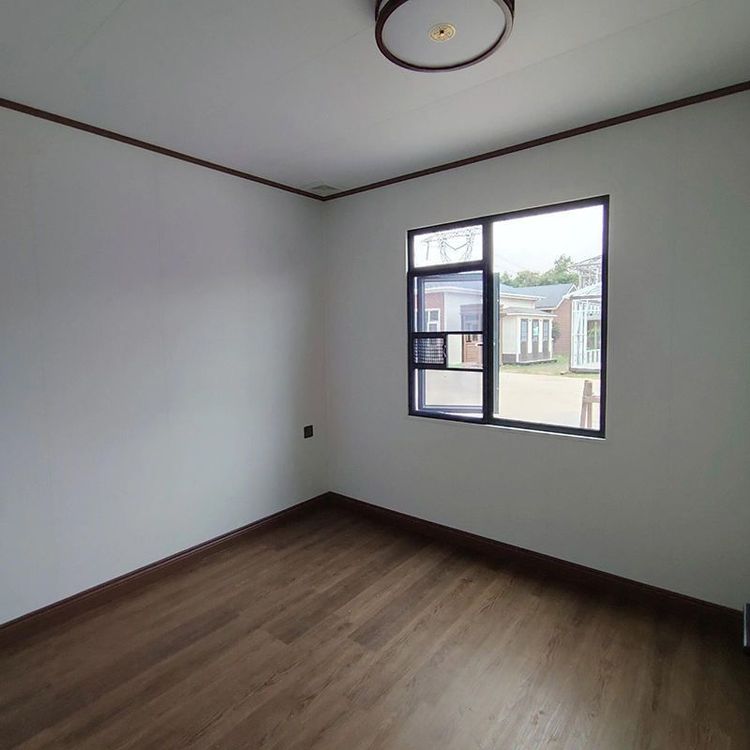
The installation of container houses centers around modularity, dividing the entire building into independent modules (such as rooms and functional units). Over 80% of the processes, including steel structures, walls, pipelines, and bathrooms, are completed in the factory, even encompassing interior decoration and soft furnishings. After being transported overseas in containers, the modules only require a small amount of work, such as assembly and connection of water and electricity, to be put into use. The on-site installation period can be shortened to a few days to two weeks, improving efficiency by 60%-70% compared to traditional construction methods.
II. Technical Advantages and Adaptability
Structural Stability and Safety Performance
The modules employ high-strength light steel frames paired with fire-resistant rock wool sandwich panels, providing fire prevention, thermal insulation, sound insulation, waterproofing, and earthquake resistance. They can withstand strong typhoons and high-intensity earthquakes, complying with international building codes (such as Canadian CSA certification). For example, the modular hotel project in Papua New Guinea reduced the overall delivery period from the traditional 14-18 months to 7 months.Transportation and Installation Efficiency
After folding, the modules reduce in volume, allowing for higher transportation capacity per vehicle or container, significantly lowering shipping costs. On-site installation does not require a professional construction team; a single container can be lifted and unfolded in just 1 hour, with no wet work involved throughout the process, supporting multiple turnovers. For instance, the 63 modular elderly care apartments purchased by a British merchant took only two weeks from shipment to on-site lifting and completion.Environmental Protection and Sustainability
Factory prefabrication reduces on-site construction waste, dust, and noise pollution, with material recyclability exceeding 95%, meeting green building standards. A foldable integrated house used in a Southeast Asian infrastructure project showed no leakage after two years of use in a hot and rainy environment, with component integrity still at 95% after three turnovers.
III. Application Scenarios and Cases
Container houses are widely used in overseas infrastructure camps, cultural and tourism development, emergency support, and other fields. For example:
- Engineering Temporary Buildings: Used as project office spaces and worker dormitories, supporting rapid deployment and recovery.
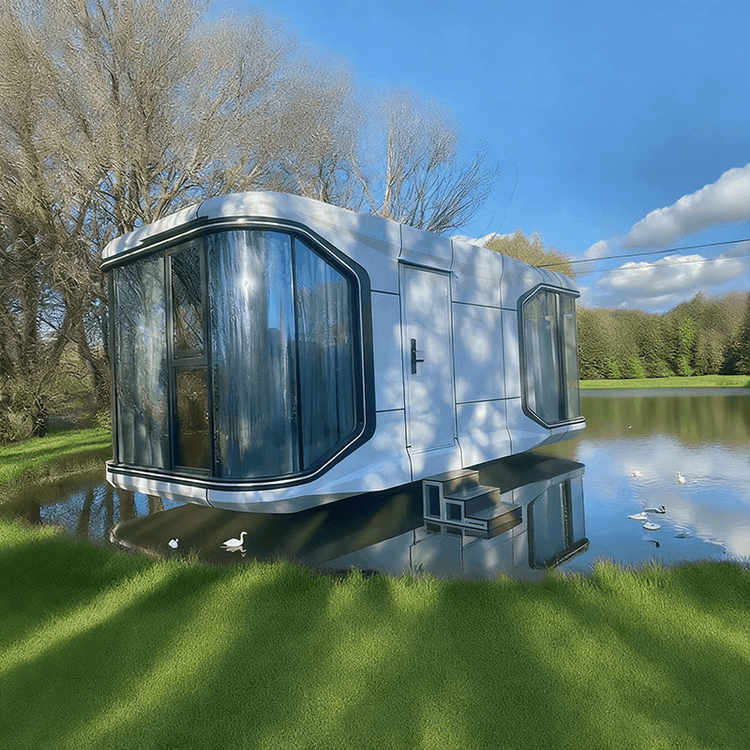
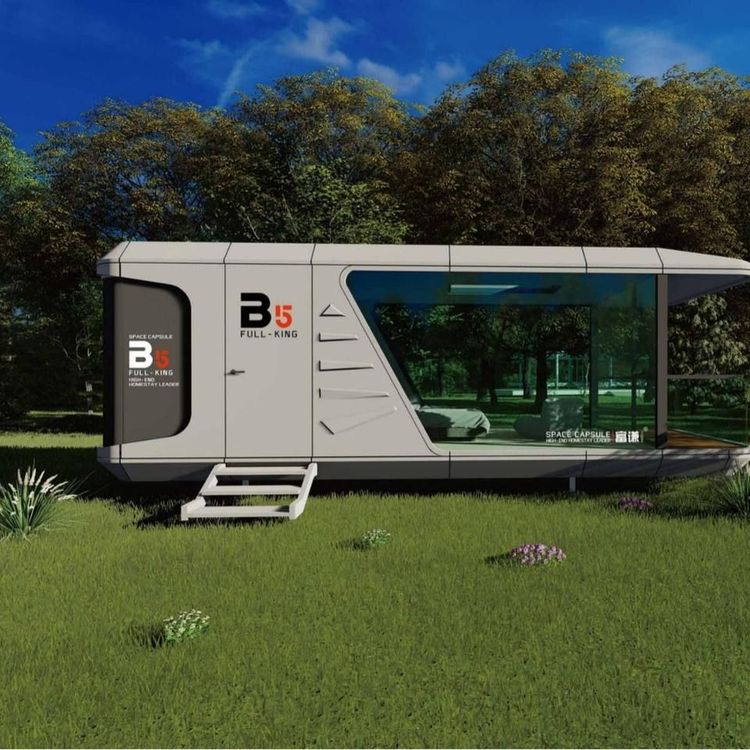
- Cultural and Tourism Scenarios: Scenic spot homestays and camping sites, achieving functional zoning through the combination of multiple containers.
- Emergency Support: Disaster relief shelters and temporary medical stations, with single containers able to be unfolded within 1 hour.
Chinese enterprises' modular houses have been exported to over 150 countries and regions, including Australia, New Zealand, North America, and Southeast Asia, with annual export value at a single port reaching 1.68 billion yuan, becoming an important solution in the global construction market.