
Container House Market Environment
The overall market environment for container houses is positive, showing diverse characteristics in terms of policy, economy, market size, distribution, growth trends, and competition.
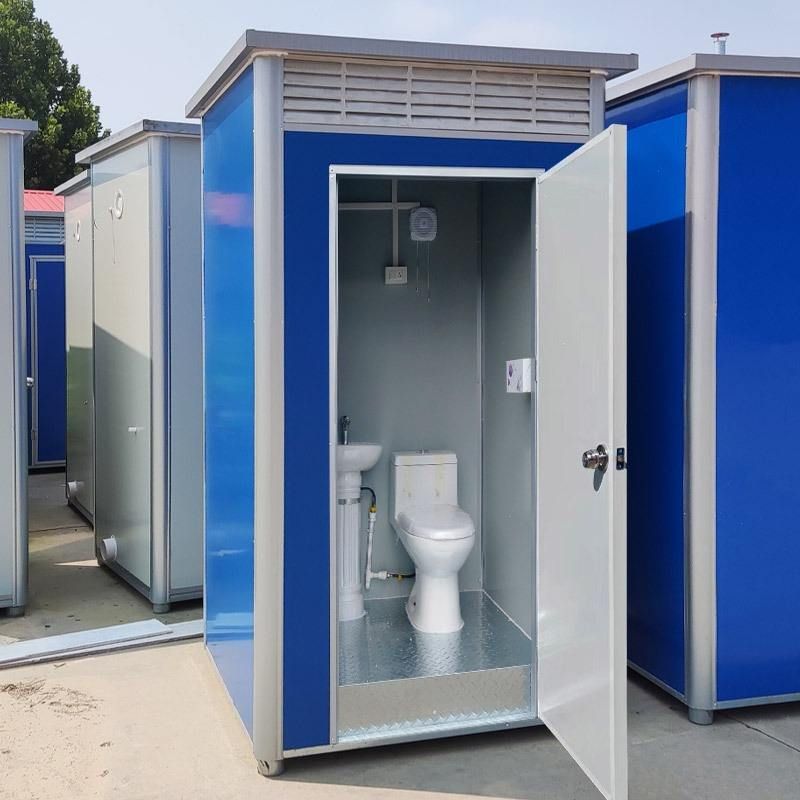
Policy Environment: Driven by policies promoting prefabricated buildings, container houses, as an important component, have embraced development opportunities. The Ministry of Housing and Urban-Rural Development and the National Development and Reform Commission require that by 2030, prefabricated buildings should account for 40% of newly constructed urban buildings. Container houses using eco-friendly materials and energy-saving technologies better align with policy directions, helping companies expand their markets.
Economic Environment: Rising housing prices and interest rates have increased people's interest in physical assets. Container houses, with their relatively low costs and short construction periods, have garnered widespread market attention and become an advantageous choice in the current economic environment.
Overall Market Size: The container mobile house market is expected to reach a scale of hundreds of billions by 2025, while the market size for container-type modular buildings in China is projected to exceed 80 billion yuan by 2026, with a compound annual growth rate exceeding 15%. Accelerated urbanization, increased investment in infrastructure, and a growing awareness of environmental protection leading to the replacement of traditional construction methods are all driving market expansion.
Market Distribution: In 2025, the market for container mobile houses in China will be unevenly distributed geographically. The eastern coastal regions, with their developed economies and high demand for infrastructure construction, will have larger market sizes, with places like Shanghai, Guangdong, and Zhejiang being major consumer markets. The central and western regions will see rapid growth in market demand, but their market sizes will remain relatively small, with potential for rapid growth in the future supported by national policies and market maturation.
Market Growth Trends: The market is expected to grow steadily in 2025, with an annual growth rate exceeding 10%, driven by urbanization, infrastructure construction, and increased demand for temporary buildings. In the coming years, policy support, technological innovation, and consumption upgrades will drive market growth, with geographical differences affecting growth rates and international market expansion bringing new growth points.
Market Competition: Competition in the market will be fierce in 2025, with issues such as severe product homogenization, small enterprise sizes, and insufficient brand influence. Companies need to increase R&D investment, improve product quality and brand image, optimize supply chains, enhance production efficiency, and reduce costs to gain a favorable position.



