
Container House Manual Electronic Edition
Here is an overview of the core content of two electronic manuals related to container houses:
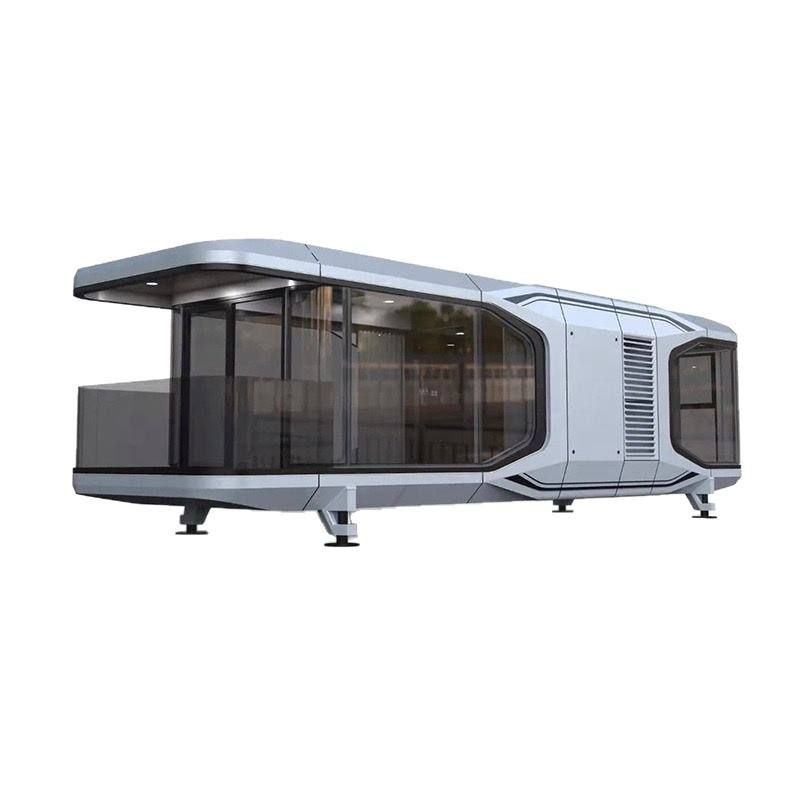
《Container House Safety Use and Maintenance Manual》 This manual aims to ensure the safety of container houses as its core objective, with an application scope covering residential, office, commercial, and temporary-use buildings renovated from standard shipping containers. Its core principles are "safety first, prevention-oriented, combining prevention and treatment, and standardized operation," and the content is divided into two main sections:
- Design and Construction Safety
- Foundation Safety: Emphasizes that the foundation bearing capacity must meet design requirements to avoid structural deformation due to settlement;
- Structural Safety: Stipulates that during renovation, the load-bearing structure of the container's main frame must not be damaged, and welding points must undergo anti-corrosion treatment;
- Renovation Safety: Specifies that cutting, drilling, and other operations must be carried out by professionals, and safety margins must be reserved to prevent stress concentration.
- Daily Use Safety
- Load Control: Limits the stacking layers of single-story container houses (usually no more than 3 layers) and prohibits overloading items;
- Environmental Adaptability: Proposes maintenance measures such as anti-corrosion and thermal insulation for special environments like coastal and alpine regions. The manual reduces safety risks through standardized processes and is suitable for reference by owners, construction parties, and regulators.
《Green Building Container Residential Design Manual》 This manual focuses on environmental protection and sustainability, proposing a design framework of "modularization + green technology," with the following core content:
- Design Principles
- Modular Design: Uses containers as basic units to achieve rapid assembly and expansion through standardized interfaces;
- Green Building Materials: Prioritizes the use of renewable, low-energy materials (such as bamboo and recycled plastics) to reduce the release of harmful substances like formaldehyde;
- Energy-Efficient Design: Integrates technologies such as solar photovoltaic panels and ground-source heat pumps to reduce building energy consumption.
- Key Technologies
- Composite Structure Technology: Optimizes the horizontal and vertical stability of containers through bolt connections or welding;
- Environmental Adaptability Technology: Adopts measures such as double-glazed windows and ventilated thermal insulation layers to cope with extreme climates;
- Application of Eco-Friendly Materials: Promotes the use of low-carbon materials such as water-based coatings and straw panels.
- Design Process From project planning and site analysis to construction supervision, it emphasizes whole-lifecycle management and provides maintenance guidelines (such as regularly inspecting anti-corrosion coatings and cleaning drainage systems). The manual offers systematic guidance for designers from concept to implementation.
These two manuals provide a scientific basis for the practice of container houses from the perspectives of safety regulations and green design, and can be selected for reference according to specific needs.



