
Container House Legal Procedures
Container houses require relevant legal procedures such as planning approval. Unauthorized modification or use without approval may constitute illegal construction.
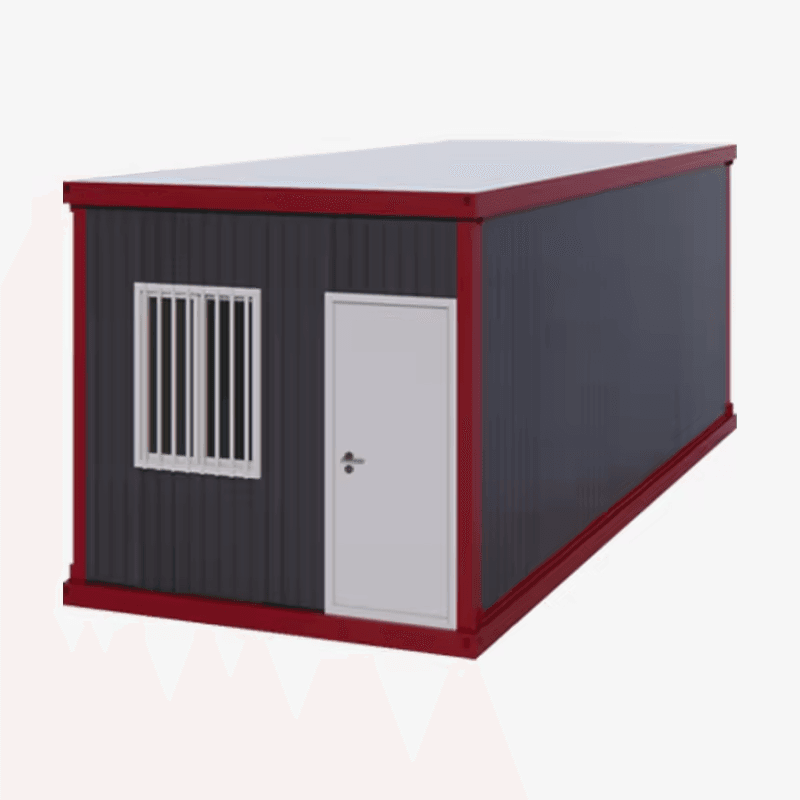
Legal Attributes and Approval Requirements of Container Houses
Container houses are essentially movable metal structures. However, if they are modified for residential, commercial, or long-term fixed use, they may be classified as temporary buildings or substantial structures. According to Article 44 of the Urban and Rural Planning Law, temporary construction within urban and town planning areas must be approved by the competent urban and rural planning department. Unauthorized construction of container houses, even without hardening the ground or connecting to utilities, may still be considered illegal construction if deemed to have "substantially altered land use" (such as long-term residence or commercial operation).
Criteria for Identifying Illegal Construction and Associated Risks
The core characteristics of illegal construction include: lack of planning permission, occupation of land outside planning areas, unauthorized alteration of land nature or building function. Container houses that meet the following conditions generally do not constitute illegal construction:
- No hardening of the ground, no connection to utilities;
- Used solely for storing agricultural materials or temporary tool storage;
- No permanent occupation (e.g., no pouring of concrete foundations).
However, if these limits are exceeded (e.g., connecting to utilities, long-term residence, conversion to commercial use), they may fall under the category of illegal construction and face risks such as forced demolition and fines. For example, in a certain case, an unapproved container house was deemed to have affected urban and rural planning and posed safety hazards, leading to a court ruling that the lease contract was invalid.
Pathways to Legalization and Operational Recommendations
- Apply for Approval Procedures: To legally use a container house, apply to local planning and land departments for rural construction planning permits, land use certificates, etc., and ensure compliance with building safety and fire protection requirements.
- Avoid Substantial Modification: Maintain the mobility of the container, do not harden the ground, do not build permanent foundations, and limit use to temporary storage or agricultural support.
- Consult Local Policies: Different regions may have varying criteria for identifying container houses. It is advisable to confirm usage periods, purposes, and approval processes with relevant departments in advance.
Considerations for Special Scenarios
- Use on Homestead Land: If building a container house on homestead land, obtain planning permission and land use certificates; otherwise, it may be considered illegal construction.
- Use in Public Spaces: If occupying public land or affecting the surrounding environment, urban management departments may require relocation or demolition.



