Container House Large Window
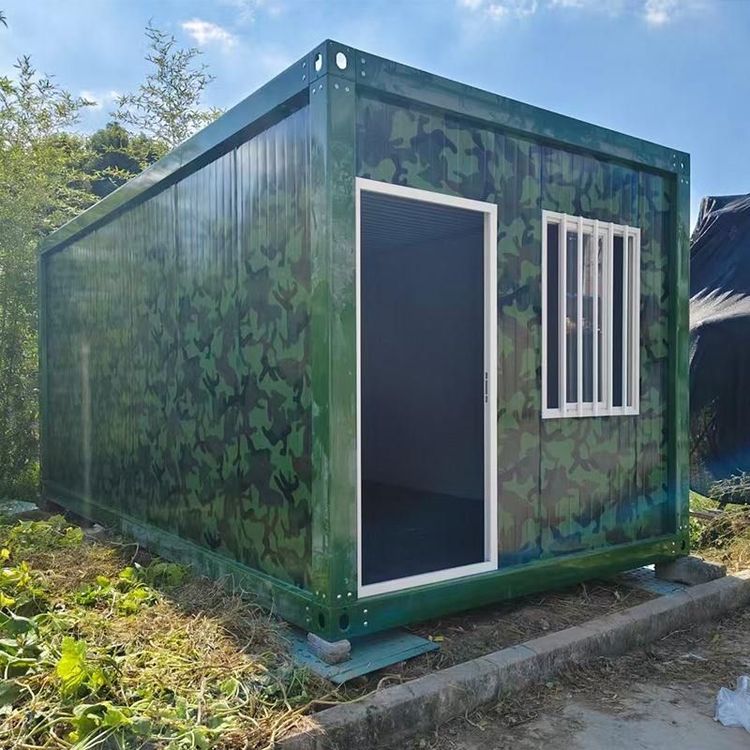
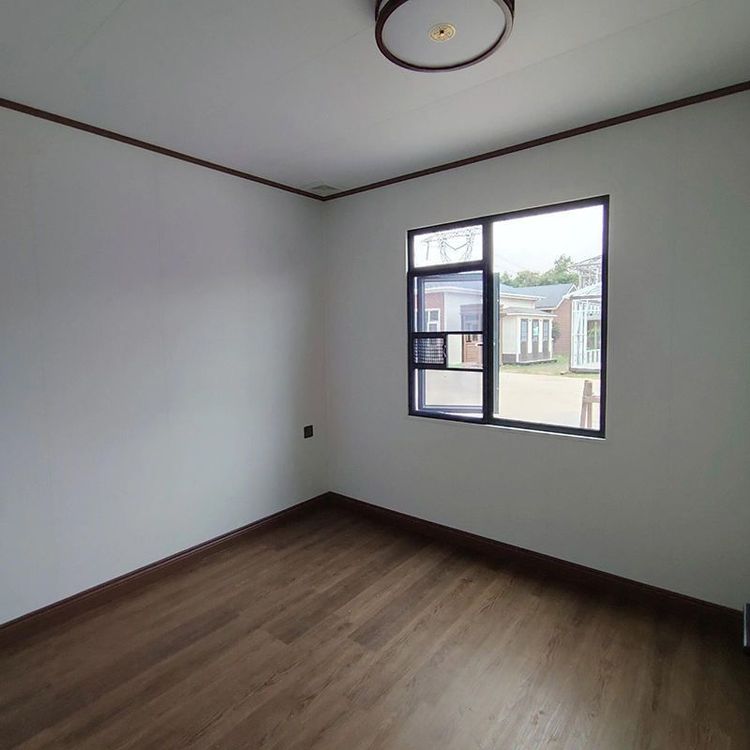
The large window design of container houses typically uses windows with a standard size of 1200 millimeters in width and 900 millimeters in height. Some customized designs can achieve larger glass windows or curtain walls to meet the needs of lighting and architectural aesthetics.

I. Standard Window Sizes for Container Houses
The window design of conventional container houses is primarily functional, with a standard size of 1200 millimeters in width and 900 millimeters in height. These windows are made of aluminum alloy or plastic-steel materials and are equipped with insulated glass, providing thermal insulation, heat insulation, and sound insulation. For example, some export-oriented container houses use Australian or American standard sliding windows, which are close to this standard size and improve airtightness through sealing strip treatment.
II. Customized Implementation of Large Windows
Glass Curtain Walls and Folding Windows
Some high-end container house projects (such as office buildings and cafes) use modular glass curtain walls, achieving transparency by assembling large glass panels. For example, a 20-foot foldable container office is equipped with a wood-grain appearance and large glass windows, with a single glass panel area of up to several square meters; another prefabricated glass container house adopts a removable flat-pack design, supporting customized breathable glass curtain walls.Applications in Special Scenarios
In vacation villas or commercial exhibition halls, container houses may integrate panoramic floor-to-ceiling windows or slanted ceiling windows. For example, a 5,000-square-foot container residence in Brooklyn incorporates large ceiling windows by slanting the top and bottom of the container, ensuring privacy while introducing natural light; a container house in Stockholm, Sweden, utilizes metal column support structures to set up a full glass curtain wall on the second floor, maximizing the view.
III. Core Considerations for Large Window Design
Structural Safety
Large windows need to maintain the overall strength of the container by reinforcing the steel structure frame or increasing the glass thickness (such as 4-6 millimeter insulated glass). Some projects adopt C5-grade wind resistance design to ensure stability.Functional Suitability
Choose window types based on usage: casement windows are often used in office settings to improve airtightness; sliding windows are preferred in commercial settings for better ventilation; temporary exhibition halls use folding glass walls for flexible space division.Cost and Efficiency
Standardized large windows (such as 1200×900 millimeters) can be mass-produced, resulting in lower costs; customized glass curtain walls require separate mold making, increasing costs by 30%-50%, but significantly enhancing building recognition and user experience.