
Back to blog
Article
Container House in Japan
Admin September 14, 2026
During the Nagoya Asian Games, Japan used container houses as accommodation facilities for athletes, primarily aiming to reduce costs, but this arrangement led to numerous issues.
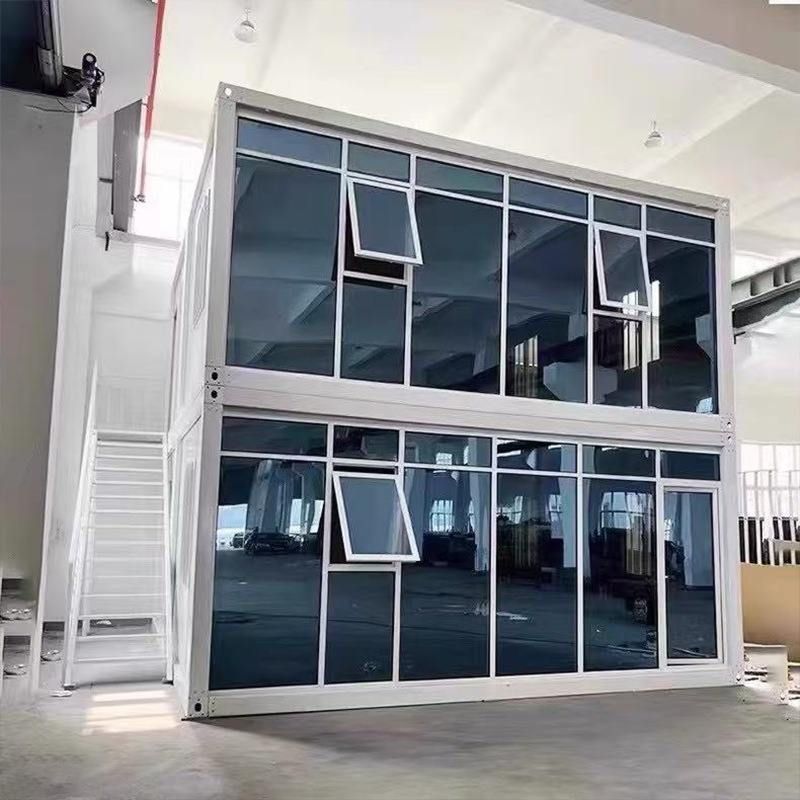
Background of Accommodation Arrangement
To cut costs, the organizing committee of the Nagoya Asian Games abandoned the plan to build a traditional centralized Asian Games Village and instead adopted a decentralized accommodation scheme. Approximately 2,000 athletes and team officials were housed in container accommodation facilities in the port area of Nagoya, consisting of about 200 container houses. Additionally, some individuals were accommodated on cruise ships and in hotels across various locations.
Details of Container Houses
- Spatial Layout: A container house consists of two units, with each unit being approximately 35 square meters and containing four beds and sanitary facilities. However, for taller athletes such as those in basketball and volleyball, the space is particularly cramped. The single beds are 195 centimeters long and 90 centimeters wide, leaving athletes over two meters tall with their legs hanging off the bed, severely restricting muscle recovery.
- Facility Configuration: Container houses are equipped with basic facilities such as independent bathrooms, air conditioners, and refrigerators. However, each unit has only one air conditioner, resulting in long pre-cooling times in summer. Due to the insulation issues of containers, the indoor environment is stuffy and unbearable. The organizing committee even suggested that athletes "leave the door open to cool the room before going to bed."
Issues Arising
- Poor Living Experience: Athletes generally reported that the rooms were small, the beds were too short, the space was oppressive, and each unit had only one air conditioner, making it unbearably hot. Additionally, due to the low ceiling height, athletes felt inconvenient when moving around in the rooms.
- Safety Hazards: During heavy rain, the drainage system of the container houses was overwhelmed, leading to water seepage. Some houses even faced the risk of being washed away due to waterlogging, resulting in the emergency evacuation of approximately 400 athletes and staff.
- Inconvenient Commuting: As the accommodation facilities were scattered across various locations, some athletes had commuting times exceeding one hour, affecting their rest and preparation for competitions.



