Container House Installation Purposes
The main uses of container houses after installation cover temporary and semi-permanent construction needs, suitable for multiple scenarios such as engineering, commerce, public services, and cultural tourism, with advantages including rapid deployment, flexible combination, environmental protection, and cost-effectiveness.
I. Temporary Construction on Engineering Sites
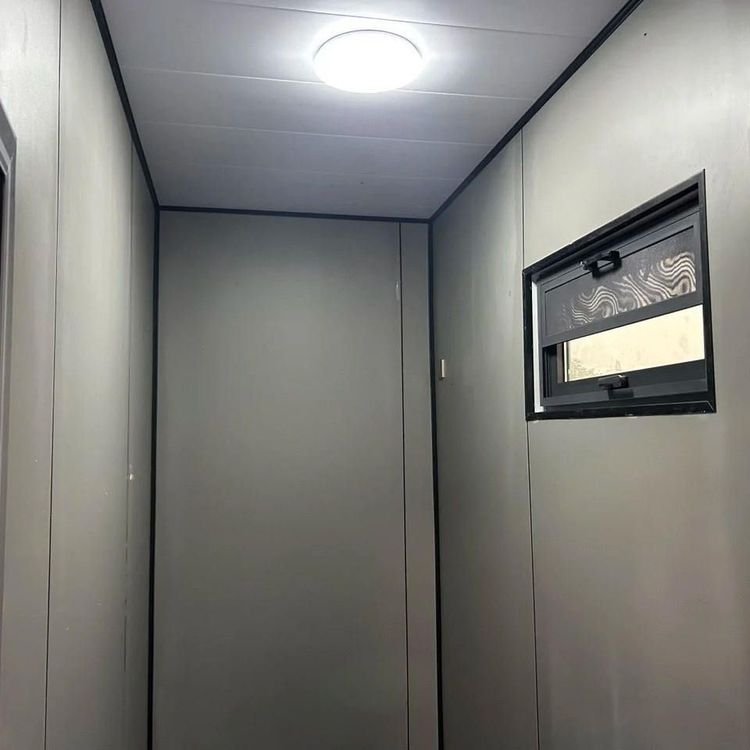
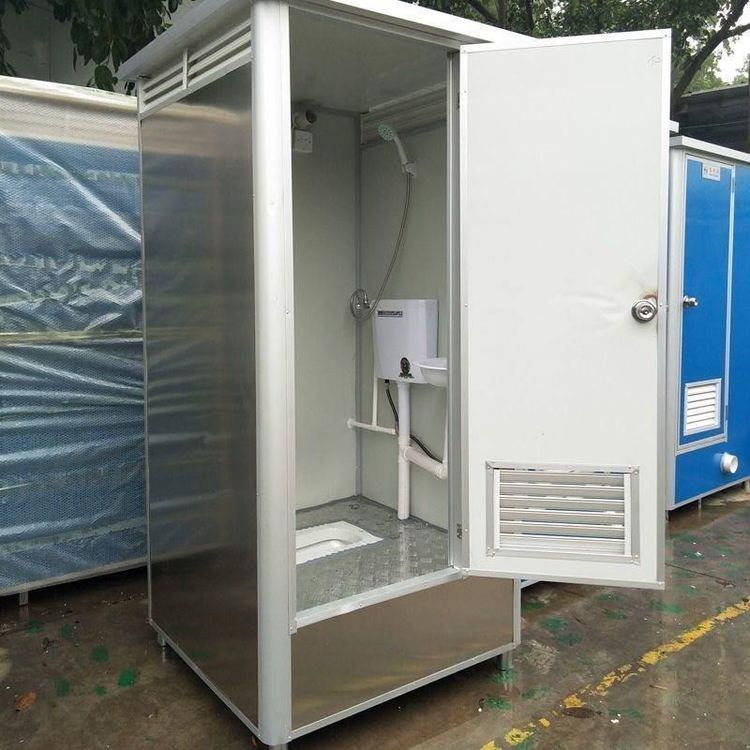
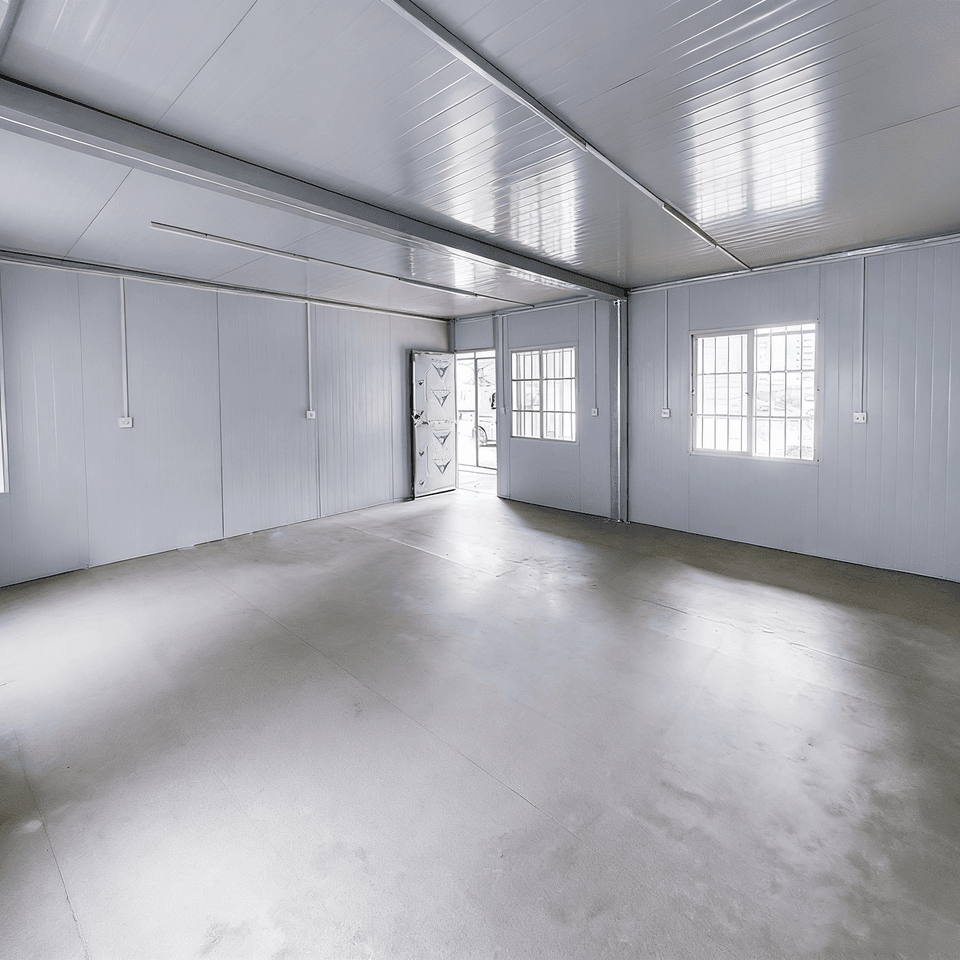
Container houses are a core solution for standardized construction on engineering sites, including temporary dormitories, project office spaces, guard booths, material warehouses, and temporary restrooms. Their advantages lie in the fact that they do not require complex civil engineering work; they can be put into use on the same day after hoisting and possess fire-resistant, heat-insulating, wind-resistant, and rain-resistant properties. For example, the packing-box units from Suzhou Zhongnan use a fully steel structural frame, with a wind resistance rating of Level 12 and an earthquake resistance rating of Level 8. The frame deformation rate is only 0.18%, far below the industry's qualified threshold of 0.3%, allowing for long-term on-site use. Their quick-assembly boxes can be installed in just 2 hours per unit and support on-demand combination, enabling the completion of 10 standard dormitory setups within one day, significantly shortening the construction period.
II. Commercial and Public Service Scenarios
- Commercial Pop-ups and Convenience Shops: Container houses can be transformed into night market stalls, scenic area sales kiosks, milk tea and coffee shops, etc. Through flexible combination and diverse decoration styles, they can create distinctive commercial spaces at a low cost. For example, the Qatar World Cup Fan Village project adopted a "factory prefabrication + on-site quick assembly" model, completing the delivery of 1,000 accommodation modules within three months, 40% shorter than the industry average construction period.
- Emergency Support Housing: In scenarios such as urgent engineering needs, temporary site renovations, or emergency resettlement, container houses can be quickly deployed. They support second-hand recycling, refurbishment, and reuse, being energy-efficient, environmentally friendly, and cost-effective.
III. Cultural Tourism and Creative Spaces
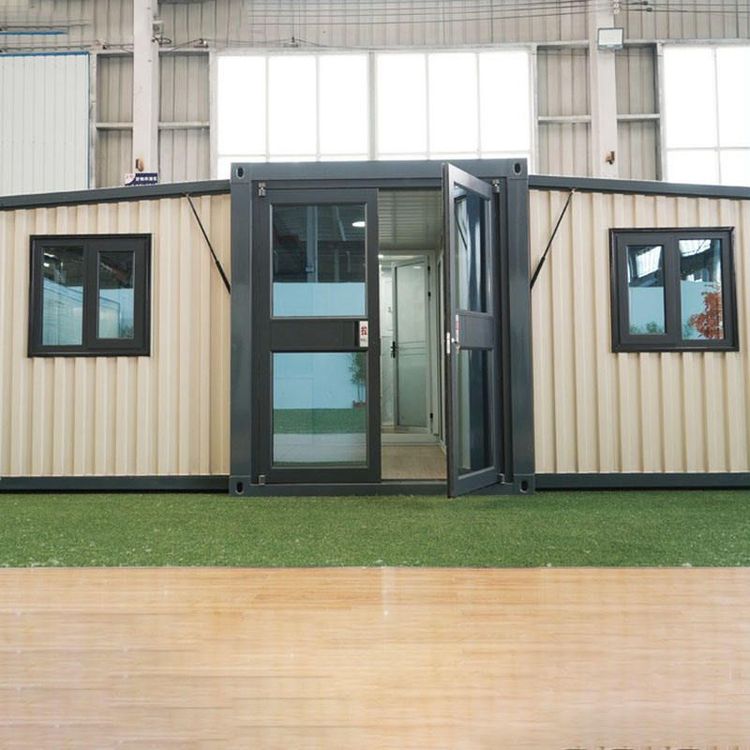
By customizing exterior colors, floor-to-ceiling windows, terraces, and high-end interior decorations, container houses can be transformed into luxury homestays, camping guest rooms, reception centers, etc., meeting the upgrading needs of scenic areas, farms, and campsites. For example, the dual-wing expansion boxes collapse the side spaces during transportation for easy international shipping; upon arrival at the site, the wing bodies are expanded, increasing the usable area by 30%-50%, balancing transportation efficiency and spatial comfort.
IV. Urban Public Service Facilities
Container houses can also be used for emergency shelters, mobile police stations, and other public service scenarios, achieving rapid deployment and functional adaptation through modular design.