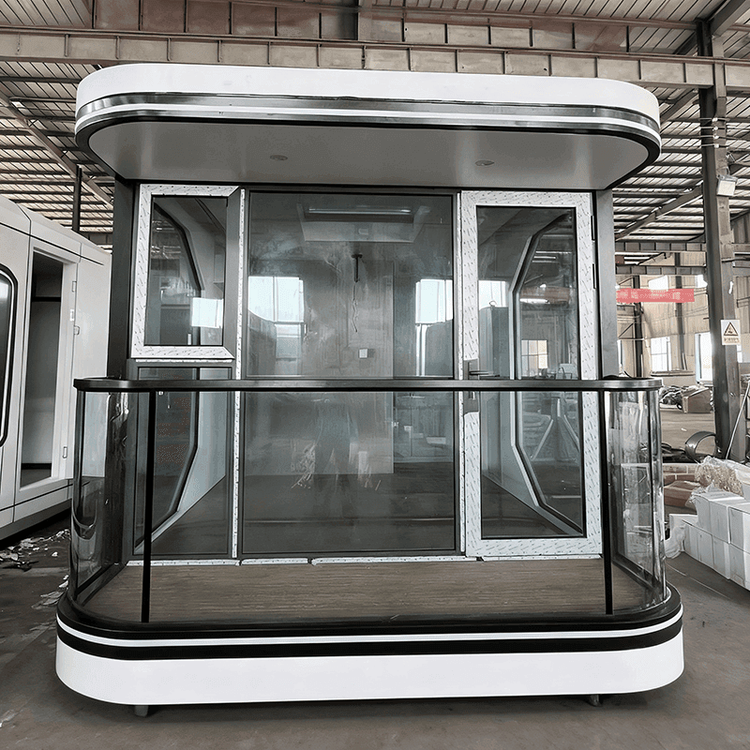
Container House in The Lost Tomb
The container house where Wu Xie lives in the TV drama The Lost Tomb is fairly feasible in design and function, but real-world use must meet multiple conditions.
Structural design feasibility: The house uses a modular design of three containers plus one ordinary concrete house, with clear function zones and high space efficiency that match modern needs for flexibility and efficiency. Container joints must be welded or bolted and given lateral bracing to resist wind, earthquakes, and other forces; if built to code, structural safety can rival traditional buildings. High-quality materials and national standards such as the Technical Specification for Container Houses are still required for stability.
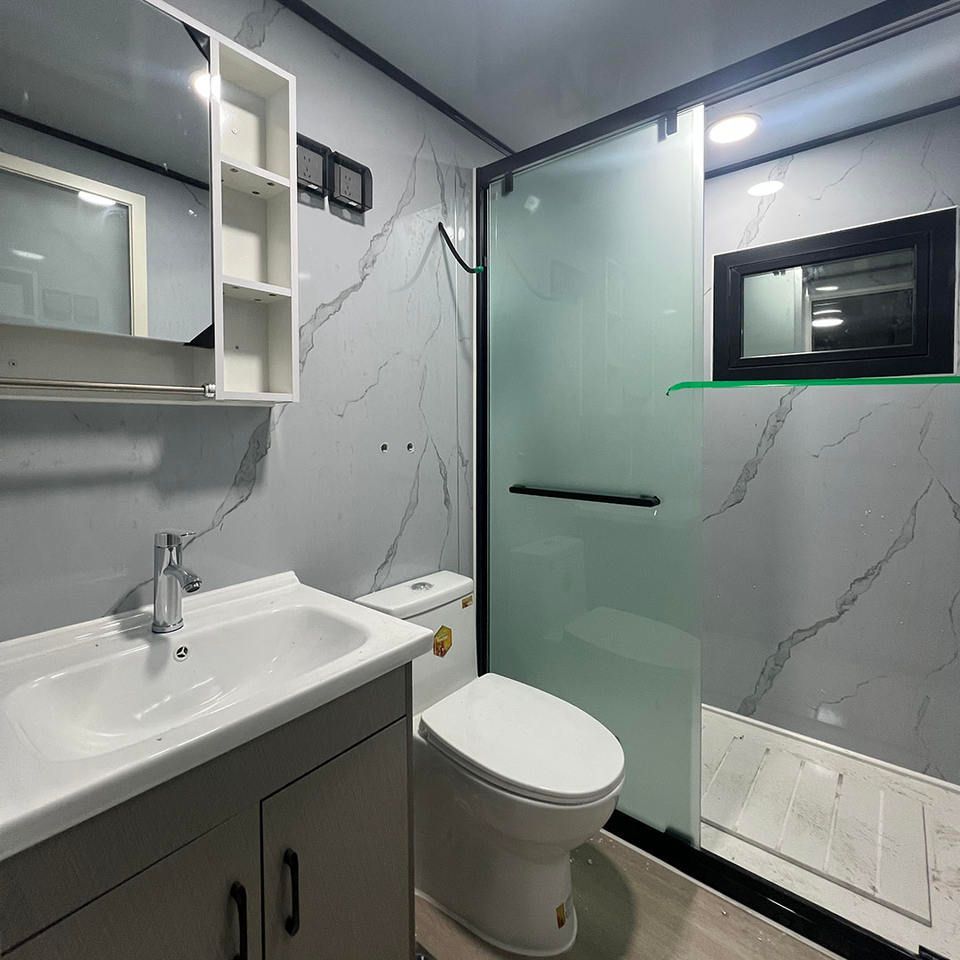
Living-function feasibility: Interiors are complete—study, living room, bedroom, dining room—covering basic living needs. Ventilation, daylight, and insulation are key real-world issues—add windows or vents for airflow, use insulation or double walls to cut heat transfer, and install AC or underfloor heating for temperature control. Fire and waterproofing—fire coatings, drainage systems, and so on—are also critical for safety.
Environmental and sustainability feasibility: Converting discarded containers reuses resources and fits eco goals. One standard container can save about 3.5 tons of steel and cut about 8 tons of carbon emissions, with clear ecological benefit. Also manage noise and pollution—choose low-noise ventilation and eco coatings/finishes to cut VOC emissions. Mobility can reduce long-term land occupation, suiting temporary or seasonal use.
Regulatory and policy feasibility: Building must meet national and local codes on structural safety, fire safety, hygiene, and more. Some cities require temporary-building approval for container houses, with use generally not exceeding 2 years. Also learn local positioning: some places encourage containers for temporary housing, cultural-tourism projects, or emergency facilities with tax relief or subsidies, while others limit them under planning or land-use rules.