Container Houses in Rural Areas
The legality of using container houses in rural areas needs to be judged based on specific circumstances. If relevant conditions are met and the land nature is not changed, it is usually not considered an illegal structure; if it involves business operations, residence, or changes in land use, it may be identified as an illegal structure.

Legal Attributes of Container Houses and Illegal Structure Determination
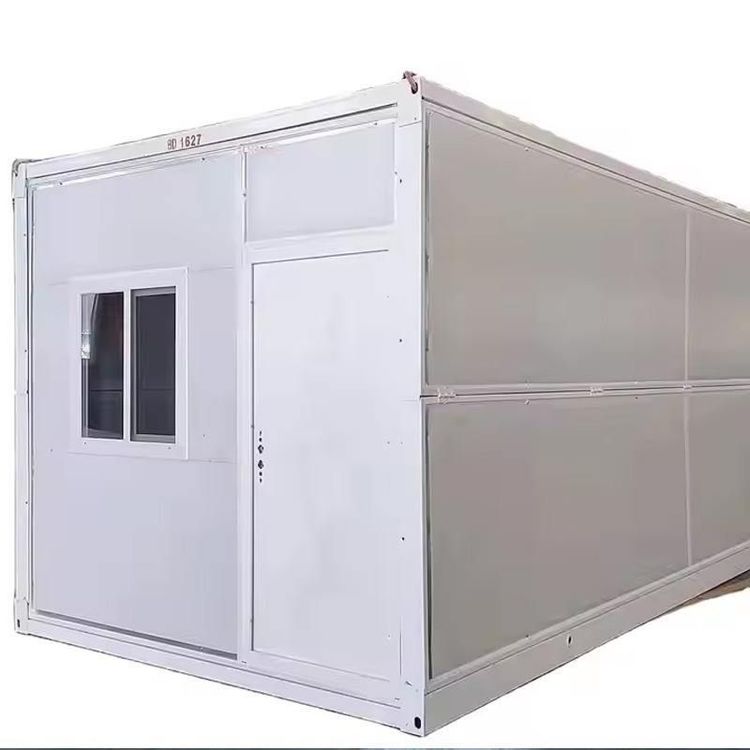
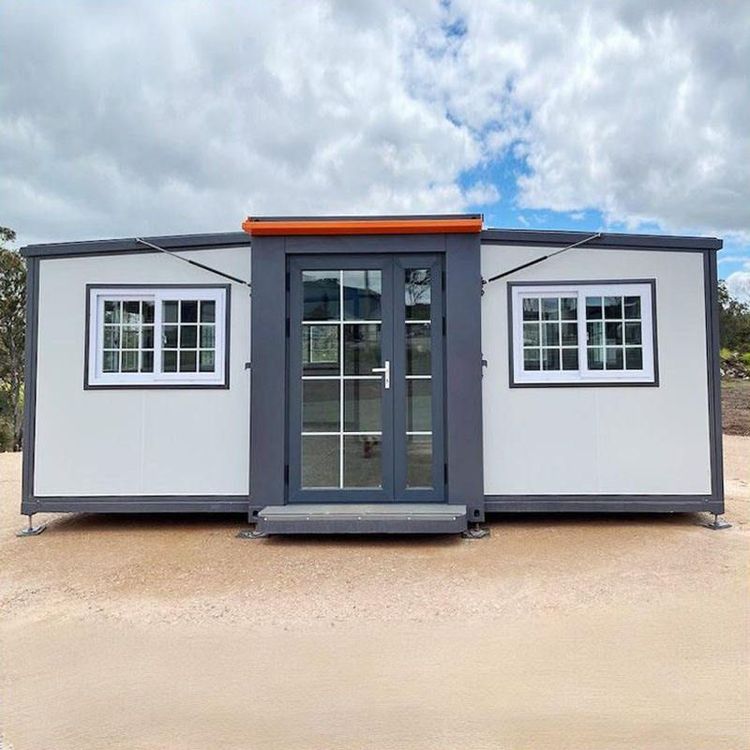
Container houses are essentially "movable metal structures", different from traditional fixed buildings. Their core features include detachability, no foundation, and no land occupation. According to current regulations, an illegal structure must meet two conditions: first, it is a fixed building; second, it lacks planning permission or has unauthorized changes to the land nature. Therefore, if a container house does not have a hardened ground surface, is not connected to water and electricity, is only used for temporary storage of agricultural materials and tools, and does not damage the arable layer, it is usually not considered an illegal structure. For example, if farmers place containers in the fields for storing agricultural tools and do not change the land use, they can generally continue to use them.
Key Conditions for Legal Use
- Usage Restrictions: If a container house is only used for temporary storage (such as storing agricultural tools and equipment) and does not involve business operations or residence, it is usually legal. However, if it is converted into a homestay, shop, or other business purposes, land approval, planning filing, and fire safety permits are required; otherwise, it may be identified as an illegal structure.
- Land Nature: Container houses must not occupy permanent basic farmland or ecological protection zones. If placed on homesteads, vacant land within the village, or commercial/cultural tourism land, and in compliance with planning, their legality is higher.
- Structure and Safety: Container houses must comply with the "Technical Regulations for Modular Combination Container Houses" to ensure structural safety, seismic resistance, and fire safety performance meet standards. If the design or construction is not standardized, there may be safety risks.
Risks and Compliance Recommendations
- Risk Points: Hardening the ground surface, connecting to water and electricity for long-term residence, and changing land use (such as building on basic farmland) are the main risks. For example, a camping business owner was fined 30,000 yuan for operating a container coffee bar in a forest area without obtaining forestry fire safety approval.
- Compliance Path: If used for temporary storage, it is recommended to choose a 20-foot standard container and avoid hardening the ground surface and connecting to water and electricity; if used for business operations or residence, it must be declared as a formal building, obtain a construction permit, and ensure that the floor height does not exceed 6 floors and the total height is ≤24 meters.