Container House in High Temperature
Container houses in high-temperature environments can achieve effective thermal insulation through optimized materials, structural design, and auxiliary equipment, ensuring居住 safety and comfort. Specific measures are as follows:
1. Material Selection and Structural Optimization
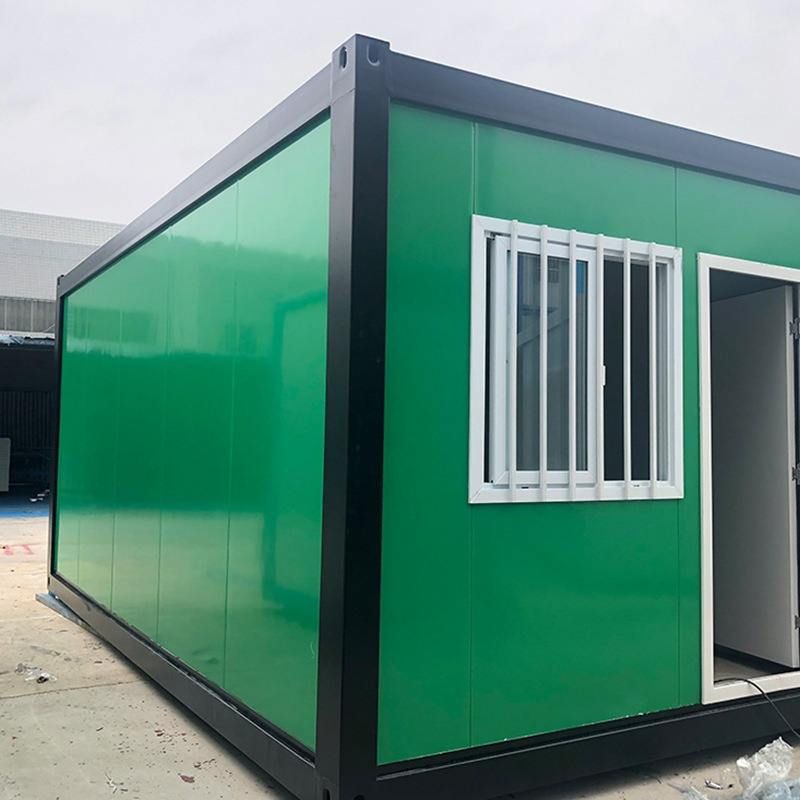
The thermal insulation performance of container houses mainly relies on a three-layer structure: the outer layer of anti-corrosion color-coated steel plate reflects sunlight, the middle layer is filled with high-density thermal insulation materials (such as polyurethane foam layers and rock wool), and the inner layer uses fire-resistant gypsum board or moisture-proof film. For example, when the thickness of the polyurethane foam layer exceeds 50mm, it can block most heat conduction, making the wall heat transfer coefficient ≤ 0.45W/(㎡·K), with a thermal insulation efficiency 1.8 times that of traditional brick-and-concrete walls. Rock wool combines thermal insulation and fire resistance, making it suitable for high-temperature and dry environments. Additionally, some products use aluminum foil reflective sandwich panels to further reduce indoor temperature by reflecting thermal radiation.
2. Ventilation and Shading Design
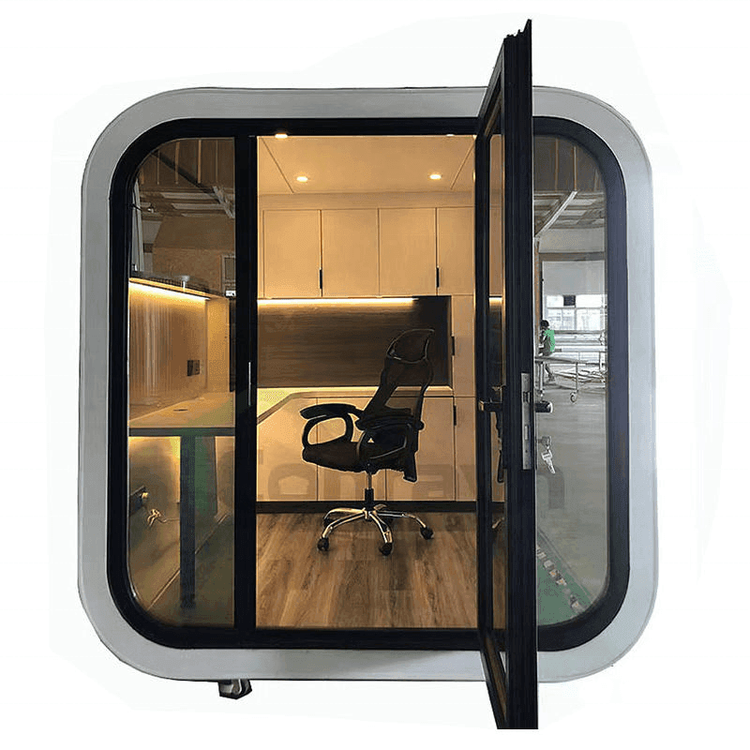
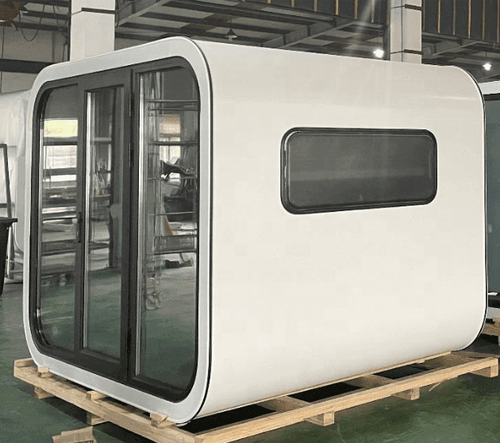
Through designs such as adjustable shading canopies and bottom ventilation slots, air circulation is optimized to reduce heat accumulation. For example, a café in Moganshan uses a double-layer container structure with shading canopies and ventilation slots, and the measured indoor temperature in the afternoon is 5-8℃ lower than the outdoor temperature, providing a comfortable feel. Curved or rounded exterior designs can reduce wind resistance while optimizing drainage performance, preventing structural corrosion in high-temperature and high-humidity environments.
3. Application of Auxiliary Equipment
In extremely high-temperature regions (such as the Middle East and Central Asia), container houses need to be equipped with air conditioners, industrial air coolers, or spray cooling systems. For example, CIMC Zhangzhou provides workers with air-conditioned vests that reduce the perceived temperature by 5-8℃ through circulating coolant; Yangpu Maritime Bureau requires container ships to suspend operations during high-temperature periods or reduce heat exposure risks through staggered work schedules and optimized loading and unloading plans.
4. Safety Regulations and Emergency Measures
In high-temperature environments, a lack of ventilation equipment in containers can lead to heatstroke or even fatal risks. For example, in 2022, a container truck without air conditioning in Texas, USA, was stranded in 39℃ high temperatures, resulting in the deaths of 50 people from heatstroke. Therefore, forced ventilation systems and temperature monitoring devices are essential configurations for container houses in high-temperature areas, and heatstroke emergency plans need to be formulated and regularly rehearsed.