Container House Images and Pictures
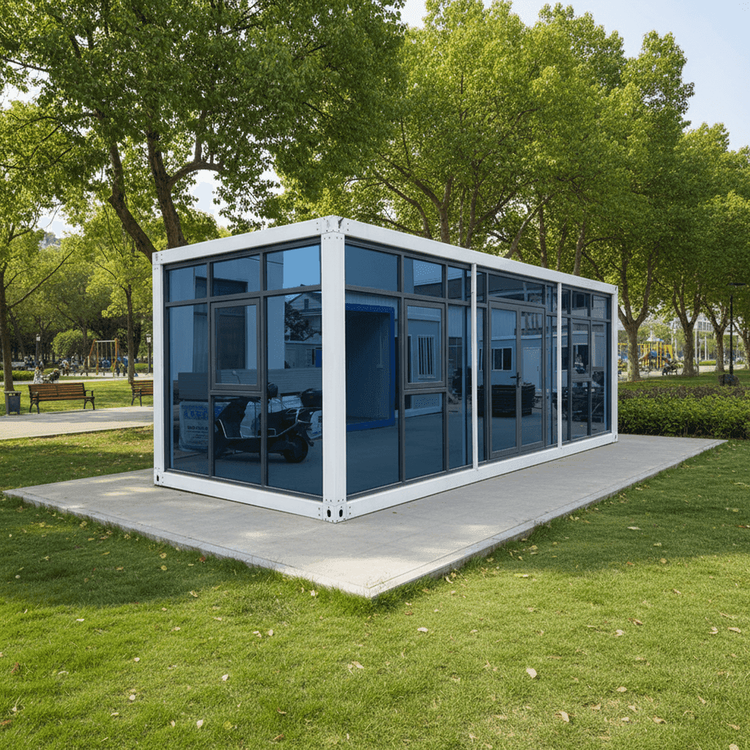
The images of container houses usually showcase their diverse application scenarios and renovation potential, covering types such as temporary accommodation, commercial spaces, and creative residences. Specific features and cases are as follows:

Temporary Accommodation Scenarios
Container houses are often used as temporary accommodation facilities in events and construction sites, but the quality varies significantly across different projects. The container houses used in the Nagoya Asian Games drew complaints from multiple national delegations due to cramped spaces and shabby facilities. For example, South Korean basketball players couldn't straighten their legs on the narrow beds, washbasins leaked, causing water to accumulate on the floor, and some teams even had to book hotels themselves or build 'mock cabins' in advance to adapt. These container houses mostly use basic frames and simple interiors, primarily serving short-term living needs, but their structural stability and living comfort are generally inadequate under extreme conditions (such as typhoons and earthquakes).
Commercial and Engineering Scenarios
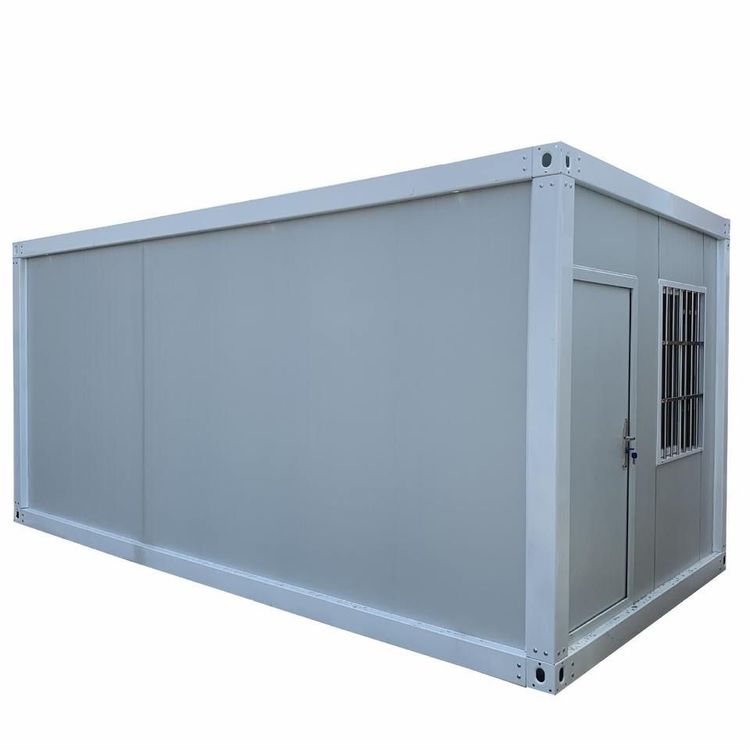
Container houses prioritize functionality and efficiency in commercial temporary spaces and engineering camps. Products from companies like Suzhou Zhongnan Steel Structure achieve rapid installation and flexible layouts through modular design. For instance, their quick-assembly containers can be installed in just 2-4 hours per unit, support on-demand assembly, have a wind resistance rating of 12 and an earthquake resistance rating of 8, with frame deformation rates far below industry thresholds. These houses come with pre-installed water and electricity lines and decorations, suitable for use as temporary offices, pop-up shops, or emergency support facilities, and can be disassembled and reassembled more than 15 times, with long-term usage costs significantly lower than traditional buildings.
Creative Residential Scenarios
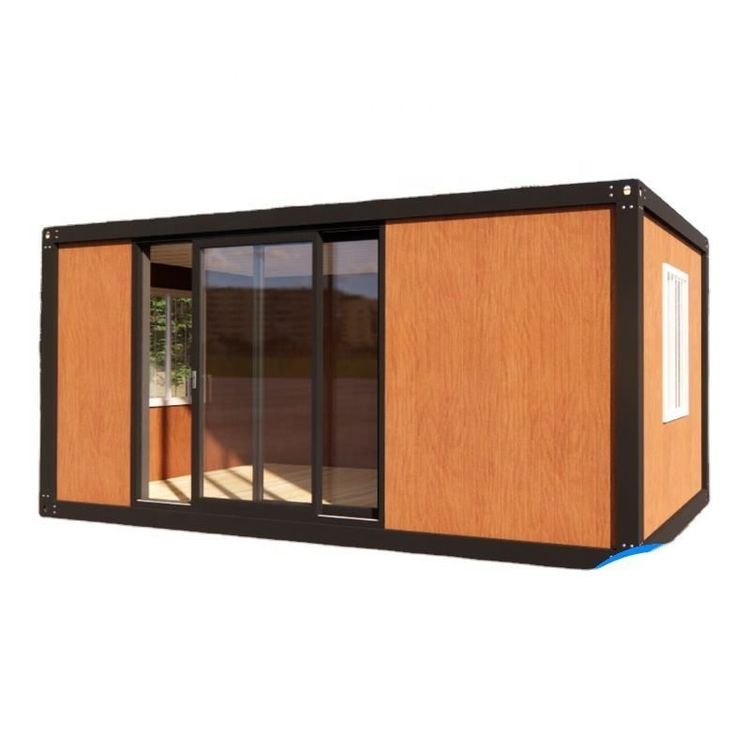
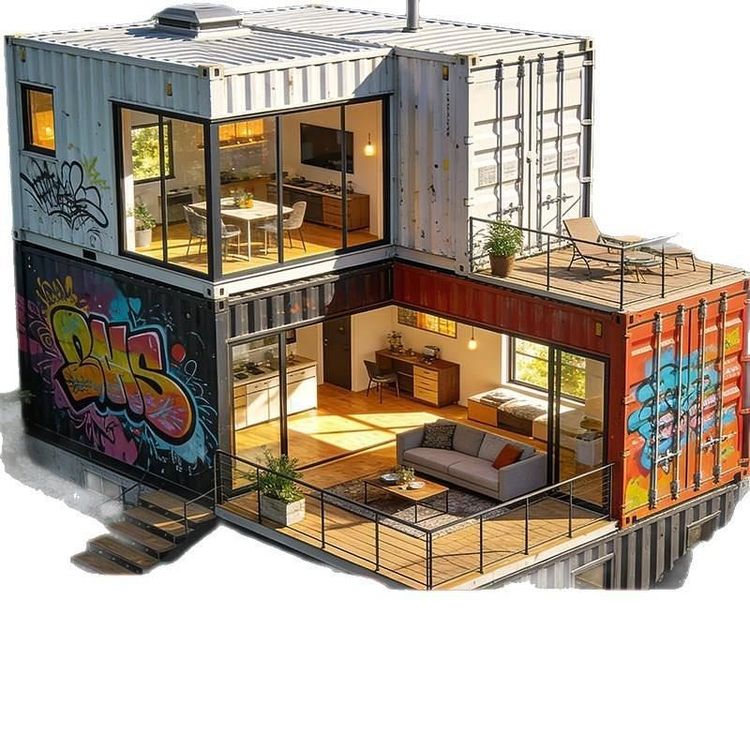
Container houses can be transformed into high-end residences or bed-and-breakfasts through personalized renovations, breaking free from the limitations of temporary buildings. Domestic cases include a family of four in a Jiangsu town using insulated containers to build a rural residence, with interior planning for living and sleeping areas and furniture that transforms to switch functions; foreign cases include a Danish man combining nine containers to create a mansion, retaining the corrugated metal interior walls while installing large windows to bring in natural light and adding solar panels on the roof to solve electricity issues. These residences usually require structural reinforcement, waterproofing, and interior upgrades, with costs varying based on renovation complexity, but generally lower than traditional houses.
Performance Comparison and Selection Recommendations
The performance differences in container houses are mainly determined by frame materials, installation techniques, and customization levels. Products from reputable brands (such as Suzhou Zhongnan and CIMC Modular) use all-steel frames and fire-resistant rock wool sandwich panels, excelling in wind and earthquake resistance, thermal performance, and reusability; non-standard off-brand products often use thin steel to cut costs, leading to structural safety hazards and high rework rates. When selecting, it's essential to verify product inspection reports based on the usage scenario, prioritizing installation efficiency, layout flexibility, and long-term maintenance costs.