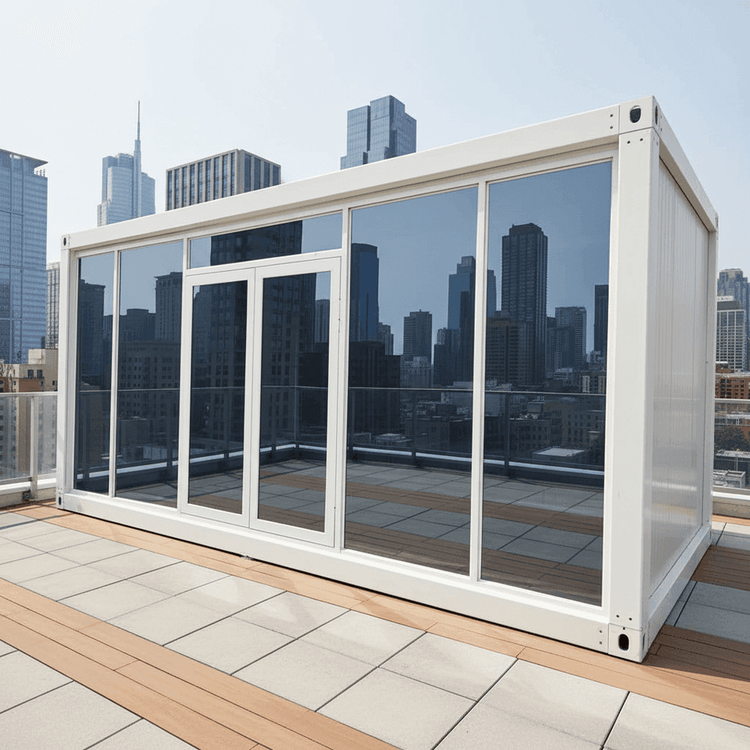
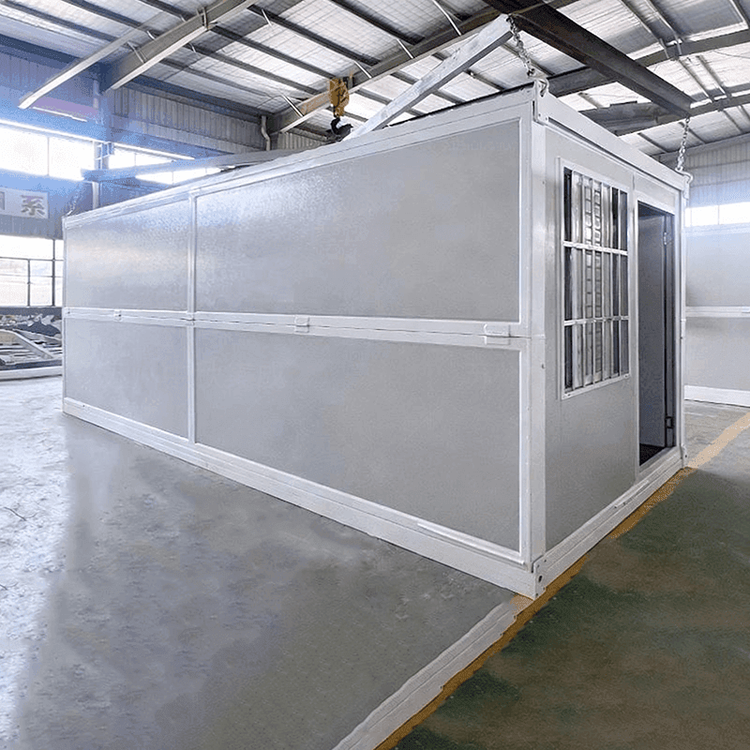
Container House Homestay Site
It is feasible to use container houses for homestay sites, but core conditions such as structural safety, living comfort, and functional completeness must be met. The following analysis is conducted from three aspects: technical adaptability, practical cases, and renovation key points:

I. Technical Adaptability: Container Houses Have Core Advantages of Modular Construction Container houses are based on standardized containers and can achieve rapid implementation and flexible layout through industrial modification. Their structural stability has passed extreme working condition tests: For example, the packing boxes from Suzhou Zhongnan Steel Structure Co., Ltd. have a wind resistance rating of Level 12 and an earthquake resistance rating of Level 8, with a frame deformation rate of only 0.18%, far below the industry's qualified threshold of 0.3%. Such products can meet the usage requirements of most natural scenarios, especially in coastal and mountainous environments. By filling with high-density insulation materials such as rock wool or polyurethane and incorporating moisture-proof and ventilation layer designs, they can effectively cope with extreme temperature differences. For example, tests show that such houses can maintain a comfortable temperature in low-temperature environments with the help of auxiliary heating and reduce indoor temperatures in high-temperature environments through reflective coatings and ventilation designs.
II. Practical Cases: Container Homestays Have Achieved Commercial Implementation
- Cultural and Tourism Scenario Application: The "On the Water" homestay in Tonglu, Hangzhou, is composed of more than 30 containers. The rooms are decorated to the standards of boutique homestays, equipped with separate wet and dry bathrooms, sofas, TVs, and other facilities. Wooden floors and log furniture create a fresh atmosphere, and each room has a balcony or floor-to-ceiling windows to optimize lighting and landscape views.
- Community Service Scenario: The "Rong·Gubei Post Station" in Changning District, Shanghai, uses containers as carriers and incorporates warm yellow elements of ginkgo leaves through participatory design. It adopts weathering steel as the main body and is powered by solar panels, achieving rapid delivery from design to implementation within one month and becoming a core space for community activities.
- Event Support Scenario: The fan village project for the Qatar World Cup adopted a "factory prefabrication + on-site rapid assembly" model, completing the delivery of 1,000 accommodation modules within three months, shortening the construction period by 40% compared to the industry average, and verifying the efficiency of container houses in meeting large-scale temporary accommodation demands.
III. Renovation Key Points: It is Necessary to Balance Cost, Function, and Comfort
- Structural Safety: Prioritize the use of standardized containers. Retired containers need to undergo anti-corrosion treatment (rust removal, painting) and be equipped with insulation layers. The steel structure frame needs to be reinforced through calculations to ensure that wind and earthquake resistance performance meets the standards.
- Living Comfort: The internal layout needs to scientifically divide functional areas (such as operation areas and rest areas), be equipped with complete facilities (bathrooms, bedding, air conditioners), and solve sound insulation problems through sound insulation materials and double-glazed windows. For example, the container dormitories at the Nagoya Asian Games had poor living experiences due to insufficient single-bed sizes and single air conditioning configurations, and such design defects should be avoided.
- Cost and Cycle Control: Factory prefabrication and renovation can shorten the on-site construction period to 15-30 days and reduce labor and pollution costs. Purchasing retired containers is more cost-effective than traditional building materials, but it is necessary to ensure standardized renovation processes to avoid a sharp increase in later maintenance costs.