Container House Homestay Costs
The cost of a container house for homestay use varies widely with configuration, materials, and sourcing. Overall prices typically span a few hundred–several thousand USD, and the actual figure should be assessed against real project needs.

1. Basic Configuration Drives Price
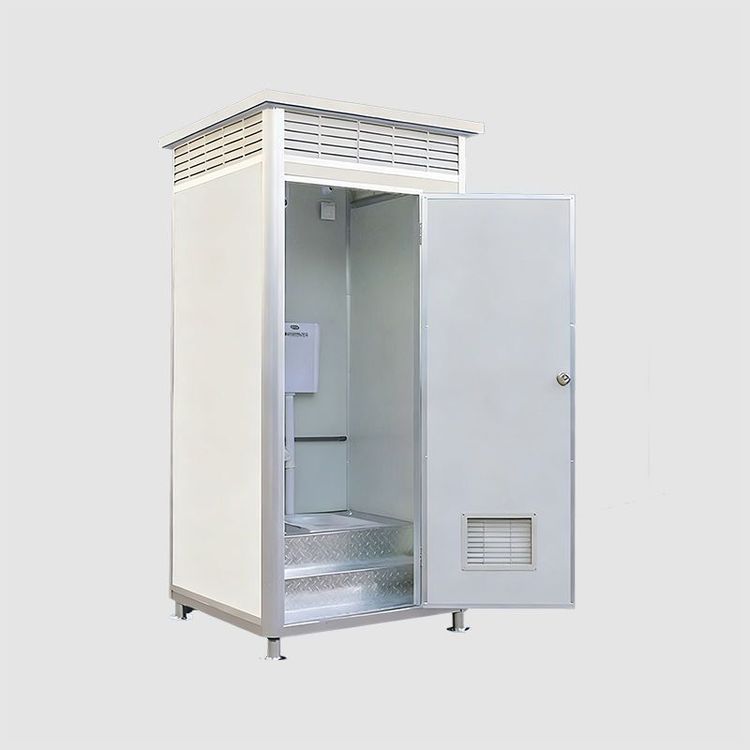
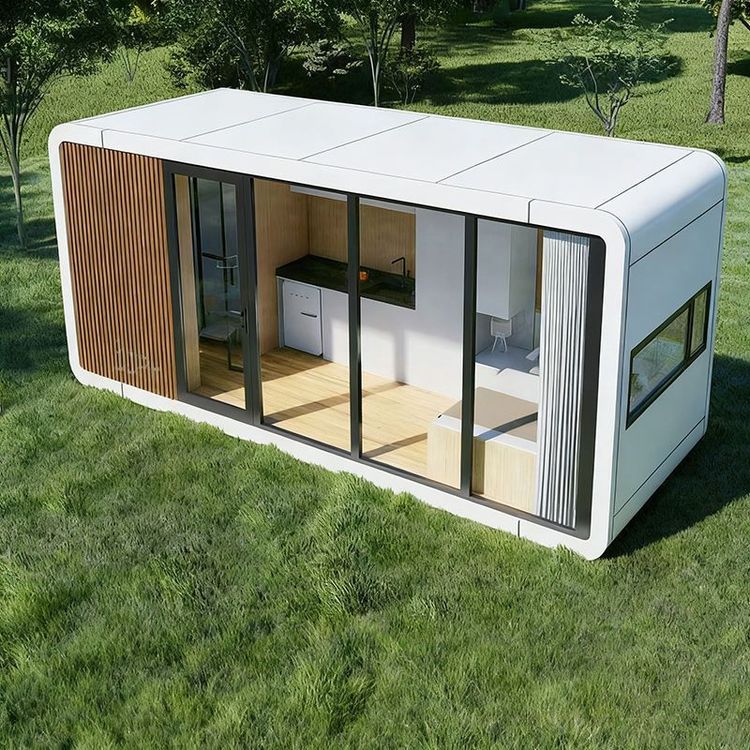
A standard 3-meter-wide habitable container is a common size, and prices span a wide range. A basic unit without a toilet can start as low as $694. These products usually cover only basic living needs, with simple interiors and ordinary steel plate or color-coated steel as the main materials—suited to tight budgets or short-term use. Adding a private bathroom, kitchen, and similar facilities raises the price sharply. For example, a container homestay with a full bathroom system may reach $3,472, and some high-end custom units cost even more. Modular design supports functional expansion, with finer interiors and more durable materials—better for long-term operation or projects that demand a higher living experience.
2. Pricing Methods Differ
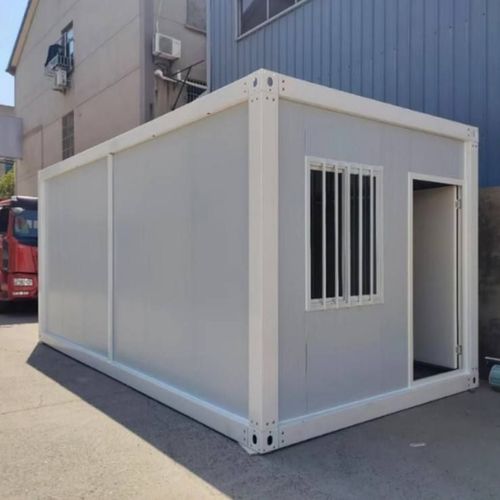
Besides per-unit pricing, some sellers quote by square meter. For example, prefabricated packable box-type houses start at $98.5 per square meter. These products combine standardized modules and can be assembled quickly into homestay clusters, which suits larger-scale development. Price depends on materials, insulation performance, doors and windows, and related options. Choosing better fire- and sound-rated materials, or adding viewing windows, balconies, and similar features, raises the unit price accordingly.
3. Seller Quotes Vary Significantly
Quotes from different sellers reflect brand, workmanship, and service. For example, some sellers offer basic portable container buildings as low as $50. These may be second-hand or simplified units with lower material and process standards, suitable for temporary or emergency use. High-end custom units from brand sellers can reach $1,425. Such products typically use high-strength steel and eco-friendly interior materials, and often include design, transport, and installation as a one-stop service—suited to homestay projects with strict quality and safety requirements.
4. Other Costs to Factor In
Beyond the container itself, operating a homestay also involves transport, installation, foundation work, interior finishing, and other add-ons. For example, shipping to remote areas may account for 20%-30% of the overall budget; laying water and power lines or reinforcing the foundation pushes costs higher still. Therefore, total cost must be calculated from the project's specific requirements.