
Container House Heat Insulation
Container house heat insulation can be achieved by choosing suitable materials, adding insulation layers, optimizing door and window design, attending to detail work, and using proper installation methods.
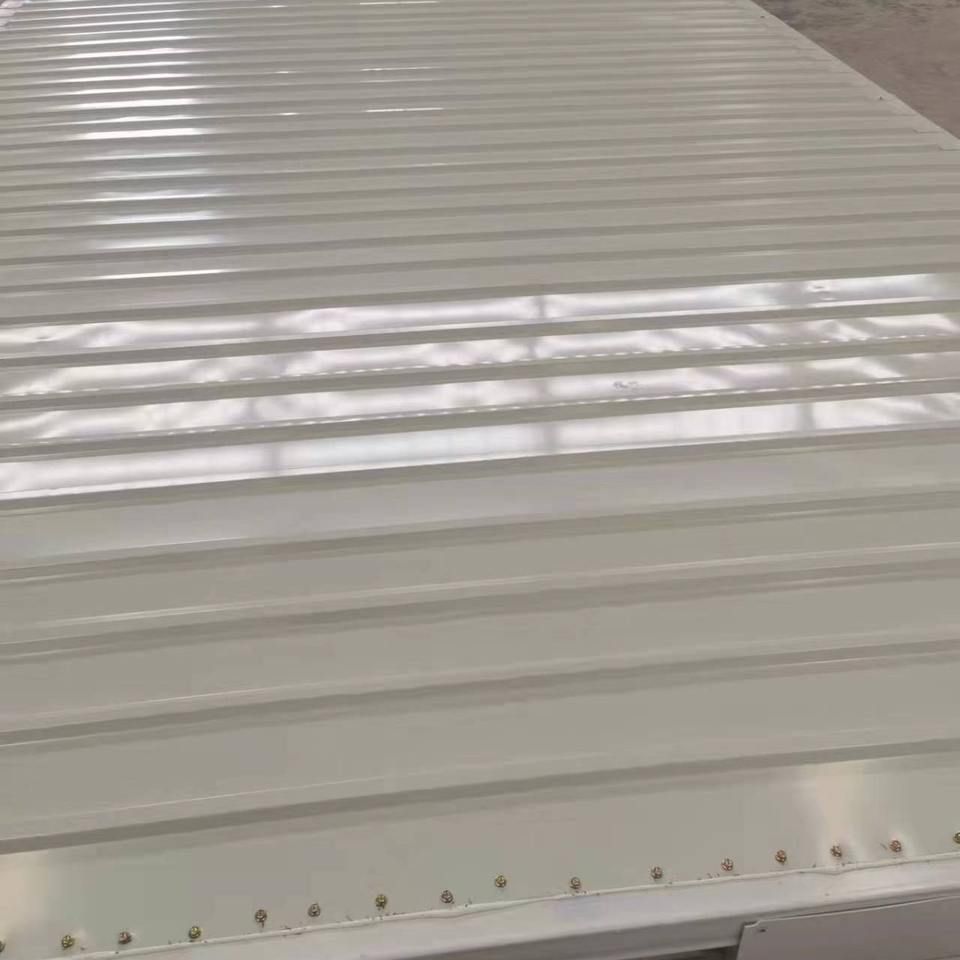
First, choosing suitable thermal insulation materials is key. Common options include EPS boards, polyurethane foam boards, and rock wool boards. These materials have low thermal conductivity, meaning they transfer heat poorly and can block heat flow effectively. For example, EPS board is a lightweight closed-cell material with good insulating performance; polyurethane foam board offers high strength and excellent thermal resistance; rock wool board not only insulates well but also provides fire resistance and sound absorption. Using these materials can markedly improve a container house’s thermal performance and reduce indoor–outdoor heat exchange.
Second, adding insulation layers is another important measure. In design, insulation can be added on the exterior wall surface or on interior walls. External cladding fixes insulation materials outside the container wall to form a heat barrier; interior insulation boards mount on inner walls and likewise cut heat transfer. These layers effectively stop heat conduction through the walls and help keep indoor temperatures stable.
Third, optimizing window and door design should not be overlooked. Choose double- or triple-glazed insulating glass for windows; its low thermal conductivity and strong insulating performance can greatly reduce heat transfer. Adding weatherstripping at window and door edges also prevents heat leakage through gaps and improves overall insulation.
In addition, careful detailing of the insulation system matters. At joints and connections in the insulation materials, use suitable sealants to stop heat leaks. Where the insulation meets the container structure, professional methods and materials are needed to ensure sealing and structural stability and to avoid heat loss from poor workmanship.
Finally, proper installation methods can also raise insulation performance. For example, drilling and fixing on the container roof, laying a frame, then installing insulation boards can cut heat by about 80%; installing double membrane boards can also lower indoor temperatures and give the container house better thermal protection.



