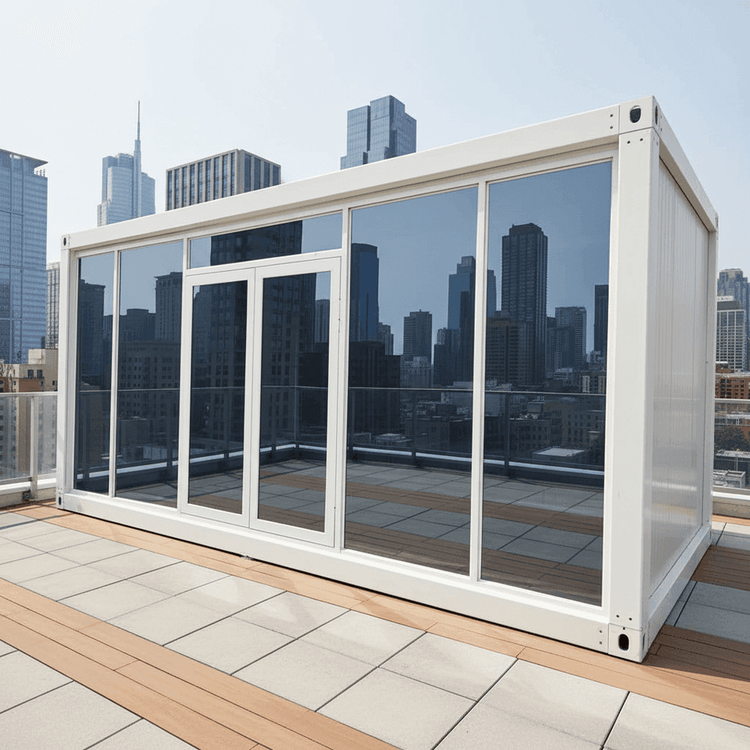
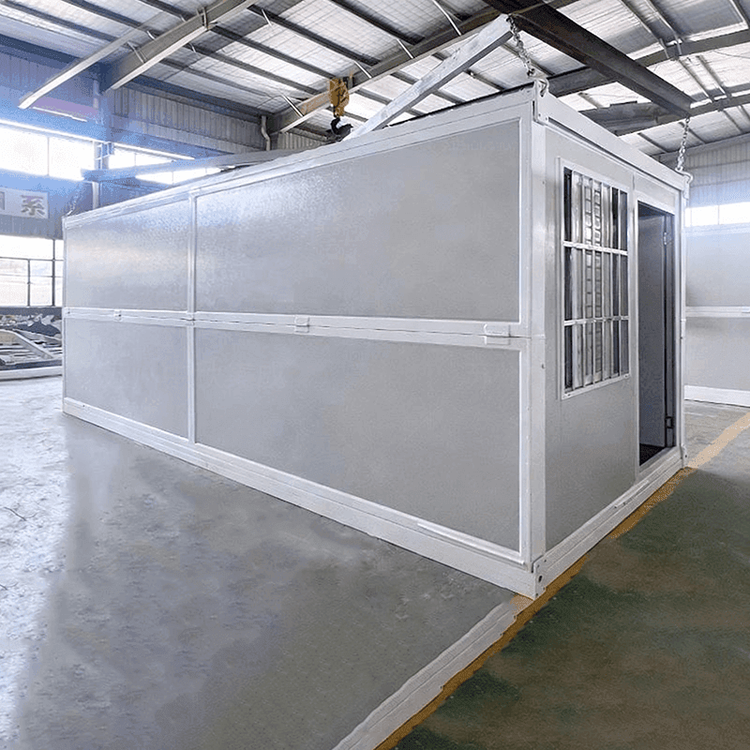
Hazards of Container Houses
Container houses pose multiple hazards, including fire safety risks, structural safety issues, illegal land occupation and neighbor disputes, as well as environmental and aesthetic problems.

1. Fire Safety Risks
Container houses are often constructed using flammable sandwich panels, which do not meet fire resistance standards. Once a fire breaks out, it spreads rapidly, generating toxic smoke and making escape difficult. Additionally, issues such as unauthorized electrical wiring, the use of high-power appliances, and indoor use of bottled gas are common, highlighting prominent risks of electric shock and fire. For example, fires at a senior living facility in Pingdingshan, Henan in 2015 and at a construction site dormitory in Zhenjiang New District in 2022 were both caused by fire hazards in container houses, resulting in severe consequences.
2. Structural Safety Issues
Container houses are mostly supported by steel structures. During a fire, temperatures can reach 800-1000℃, far exceeding the critical temperature (500℃) at which steel structures lose stability, making the entire building prone to collapse. Ordinary container houses lose their load-bearing capacity within about 10 minutes after a fire, which is detrimental to personnel evacuation and material rescue. Furthermore, some container houses occupy safety evacuation routes in pursuit of area, further exacerbating fire risks.
3. Illegal Land Occupation and Neighbor Disputes
Container houses commonly involve illegal occupation of collective land and rural roads, blocking fire lanes. This not only constitutes illegal construction but also frequently triggers neighbor disputes. For example, during a rectification campaign in Danbei Town, some container houses received numerous complaints from the public due to their encroachment on public spaces, necessitating forced removal to resolve disputes.
4. Environmental and Aesthetic Problems
Container houses are often haphazardly stacked and appear dilapidated, damaging the village's appearance and hindering the construction of a beautiful and harmonious countryside. Their metal construction makes them prone to heat conduction, with poor thermal insulation requiring additional installation of air conditioning and other equipment to ensure居住舒适度 (living comfort), indirectly increasing energy consumption and carbon emissions.