Container Houses in Guangdong During Typhoons
In typhoon weather in Guangdong, container houses generally demonstrate good wind resistance, but there are differences in wind resistance performance among houses of different types and construction methods, and safety risks still need to be noted in actual use.

I. Wind Resistance Performance of Conventional Container Houses
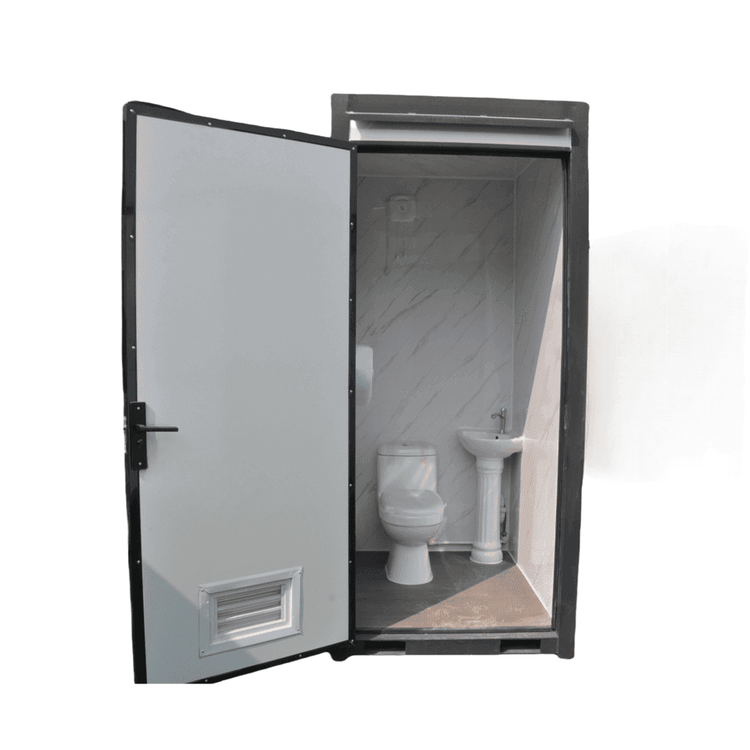
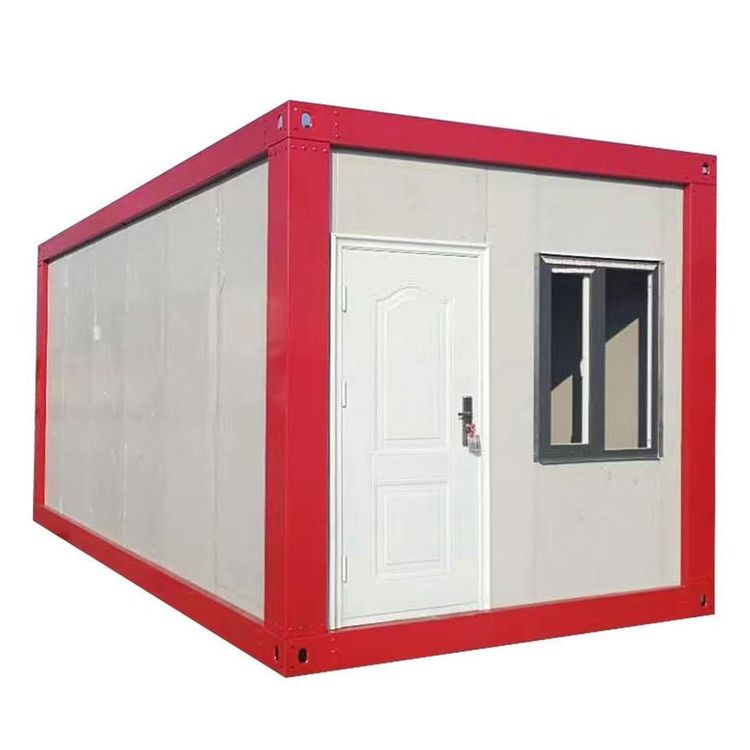
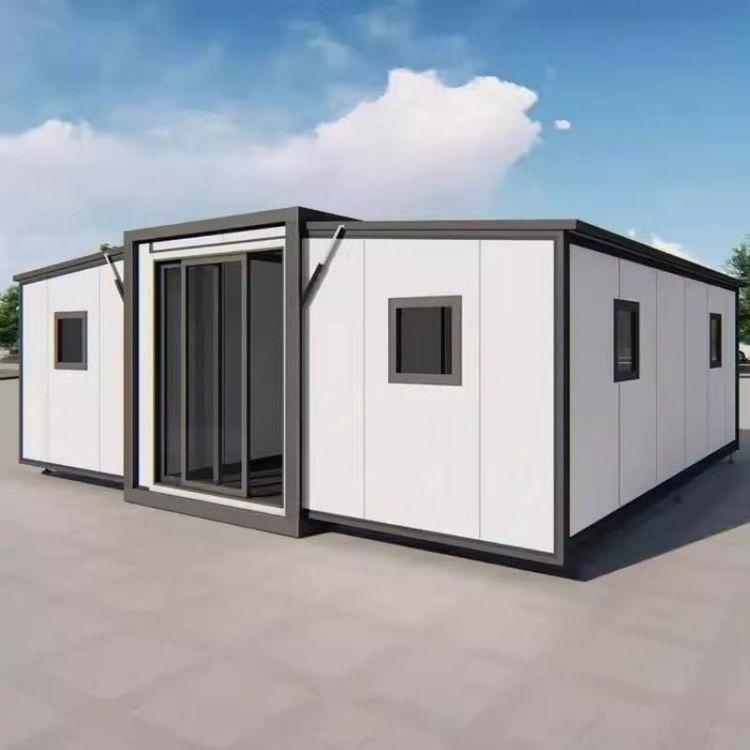
Conventional container houses use light steel as the framework and sandwich panels as the enclosure materials. They are connected to the base and walls, as well as between walls, with high-strength galvanized hinges, making them sturdy. For example, a folding container house weighs about 1265KG, and a packing-box unit weighs about 1350KG, both capable of withstanding winds of over Force 8. When constructing these houses, a foundation is usually required, further enhancing their stability. These houses can provide basic protection in ordinary typhoon weather but may pose risks in the face of super typhoons.
II. Wind Resistance Capability of Technologically Optimized Integrated Houses
Mainstream integrated houses have significantly improved their wind resistance through technological upgrades. Standard container houses adopt a steel frame design and can withstand Force 10 typhoons (wind pressure of 0.45kN/㎡). Integrated houses anchored with H-shaped steel ground piles and reinforced with trusses can handle typhoons of Force 12 or above. Test data from 2025 shows that magnesium-titanium alloy aluminum-structured integrated houses can withstand Force 16 typhoons under standard construction. The material's toughness can effectively offset the instantaneous impact of strong winds, providing higher safety guarantees in extreme weather conditions.
III. Wind Resistance Performance in Practical Applications
When the super typhoon "Hagupit" affected the coastal areas of Guangdong in 2025, infrastructure such as underground parking lots in coastal areas of Zhuhai withstood the test, with many container house-related facilities playing a role. Zhuhai successfully coped with the invasions of eight typhoons, including "Hagupit," and multiple rounds of heavy rainfall through early prevention measures and customized defense plans (such as upgrading the water barriers in 160 parking lots across 61 residential communities along the coast), achieving the goal of safely weathering the floods without any typhoon-related deaths. This case indicates that scientific planning and reinforcement measures can significantly enhance the wind resistance of container houses.
IV. Potential Safety Risks and Precautions
Although container houses have relatively strong wind resistance, there are still safety hazards in extreme weather conditions. For example, affected by Typhoon "Matmo," two elderly people were once trapped in a simple container house in Zhanjiang, Guangdong Province, and were later transferred to a safe place by firefighters. Such incidents remind us that simply modified or improperly reinforced container houses may fail in super typhoons. It is necessary to avoid using them as the only shelter and ensure that emergency evacuation routes are unobstructed.