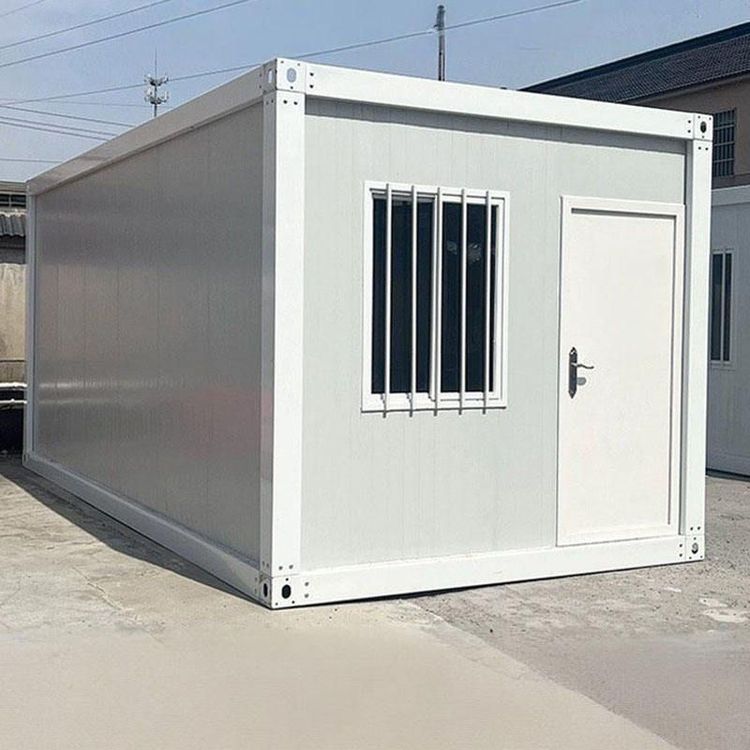
Container House for Safety: A Helpful Guide
Container House exhibits significant safety characteristics in terms of structure, protective performance, environmental adaptability, and compliance, making it a reliable and multifunctional building solution.

1. Structural and Material Safety The main frame of a Container House is typically made of galvanized steel, Corten steel, or carbon structural steel (such as Q235), which offer high strength and corrosion resistance, enabling long-term exposure to outdoor environments. The walls and roof usually employ monochromatic steel plates or sandwich panels, forming a stable steel structure system through bolts or welding to ensure overall structural stability. Some products also adopt modular designs, reducing on-site welding operations and lowering construction risks.
2. Multi-Dimensional Safety Protection Performance
- Fire Resistance: The materials comply with international building safety standards and possess flame-retardant properties, effectively delaying the spread of fire.
- Wind Resistance: The structural design can withstand strong winds, making it suitable for areas prone to typhoons or hurricanes.
- Earthquake Resistance: Some products are optimized for earthquake resistance, enhancing structural stability during seismic events.
- Moisture/Water Resistance: Waterproof sandwich panels combined with sealing treatment technologies prevent rainwater infiltration and avoid internal moisture.
- Sound/Thermal Insulation: The sandwich panels are filled with insulation materials, reducing heat transfer and lowering noise interference, thereby improving living comfort.
3. Environmental Adaptability and Durability The corrosion-resistant and acid-alkali-resistant properties of Container Houses enable a service life exceeding 15-20 years, making them suitable for long-term outdoor use. The modular design supports rapid assembly, shortening construction periods and reducing on-site operation time, thereby lowering safety risks. Additionally, their structures can be flexibly disassembled and reused, adapting to different terrains and climatic conditions.
4. Compliance and Quality Assurance The products comply with international building codes (such as ISO and CE certifications), with some passing ISO9001 quality management system certification, ensuring full process control from design to production. Compliance certifications not only verify structural safety but also guarantee material environmental friendliness and construction legality, meeting safety requirements for various scenarios such as residential housing, dormitories, hotels, and commercial offices.
In summary, Container House ensures safety through material selection, protective design, environmental adaptability, and compliance certifications, making it an efficient, reliable, and flexible form of architecture.