Container Steel House: A Practical Buyer's Guide
Container houses are modern residences built from recycled shipping containers or prefabricated modules, offering economic, sustainable, and flexible advantages suitable for various scenarios. When purchasing, attention should be paid to specifications, quality, and supplier services.

I. Core Definition and Advantages
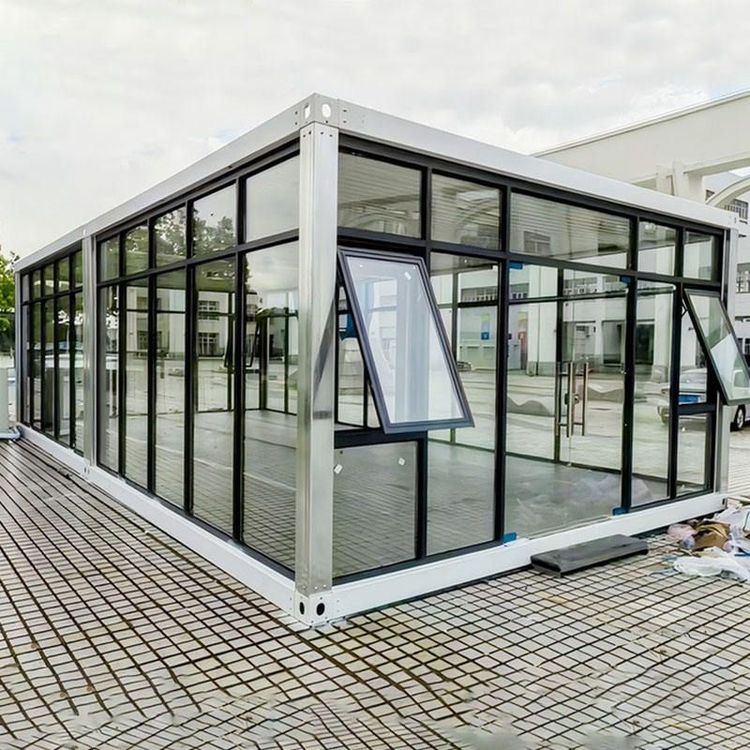
Container houses utilize the steel frames of reused shipping containers, combined with light steel structures, galvanized steel roofs, and sandwich panel walls (50-100 mm thick), creating a residential form that combines industrial durability with architectural adaptability. Their core advantages include:
- Economy: Costs are only 1/5 to 1/3 of traditional housing, particularly suitable for entry-level housing needs;
- Sustainability: Steel recycling rates exceed 90%, reducing carbon emissions and construction waste, aligning with climate response goals;
- Flexibility: Supports modular expansion (e.g., stacking containers to increase floors) and rapid deployment (7-15 days for basic installation), adapting to emerging needs such as mobile offices and micro-housing.
II. Application Scenarios and Customization
Container houses cover both temporary and permanent scenarios:
- Temporary Scenarios: Worker camps, temporary offices, post-disaster emergency housing;
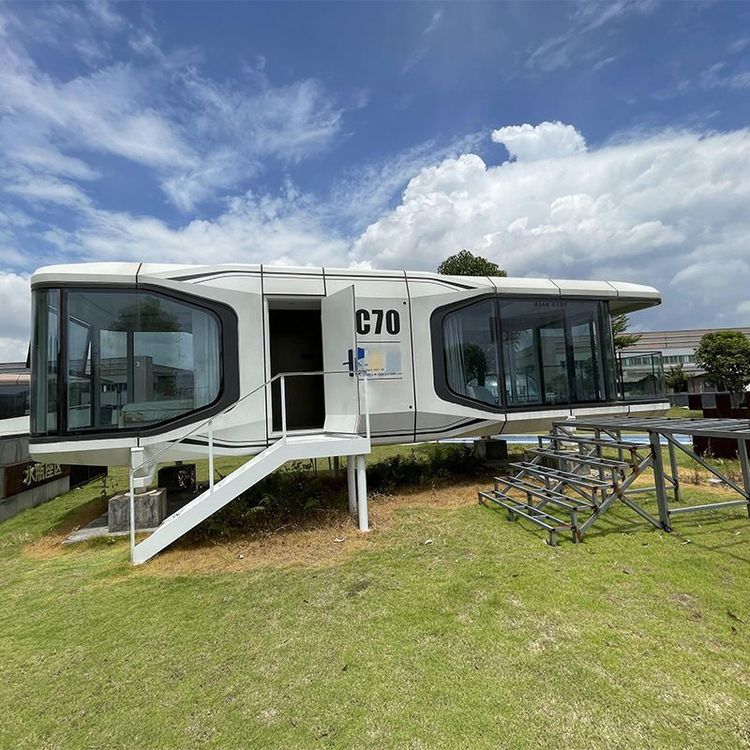
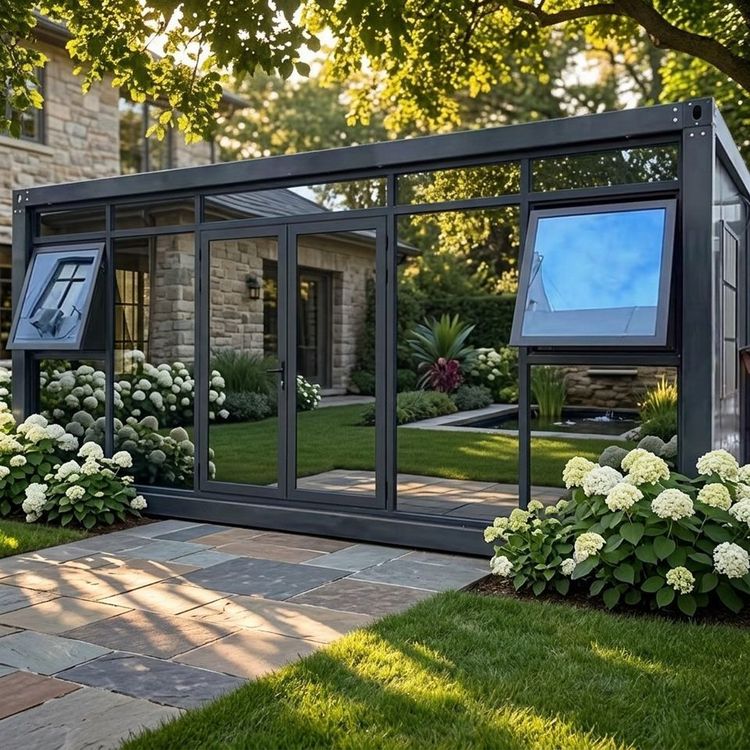
- Permanent Scenarios: Villas, homestays, hotels, hospitals.
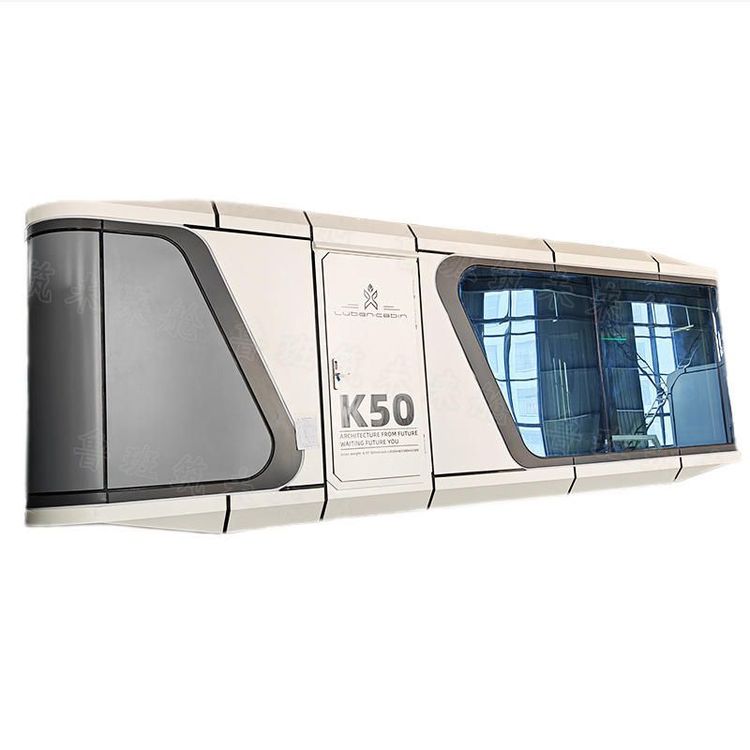
Customization services can adjust colors, layouts, and functional modules, such as adding bathrooms, kitchens, or enhancing thermal insulation (glass wool-filled roofs). The standard 40-foot expandable model has internal dimensions of 5640×6140×2240 mm, meeting basic living needs.
III. Key Purchasing Factors
- Price and Minimum Order Quantity: The unit price of a 40-foot basic model ranges from $1200 to $1950 (minimum order of 6 sets), while luxury models range from $8200 to $8500 (with bulk discounts);
- Quality Certification: Prioritize suppliers with ISO and CE certifications to ensure structural safety (with clear wind and earthquake resistance ratings) and material environmental friendliness (e.g., A1-grade fire resistance);
- Service Support: Choose suppliers offering one-stop “design-production-after-sales” services, confirming warranty periods (usually 1 year) and online technical support capabilities.
IV. Market Trends and Recommendations
By 2026, container houses will become a mainstream housing alternative due to economic uncertainty, rising material costs, and urbanization pressures. When purchasing, select modular capabilities based on usage: temporary offices require quick disassembly and assembly, while long-term residences need enhanced thermal insulation and safety ratings.