Container House Factory
Container house factories are modern manufacturing facilities specialized in producing container houses, featuring core advantages such as efficient prefabrication, rapid deployment, and environmental sustainability. The following analysis covers four dimensions: production mode, technical characteristics, application scenarios, and industry trends.

I. Factory-Based Production Mode
Container house factories adopt a 'factory prefabrication + on-site rapid assembly' model, transferring most traditional construction processes to workshops. For example, the Suzhou Zhongnan team completes over 80% of prefabrication tasks—including main structures, insulation, doors, windows, and utilities—using automated welding processes in the factory, achieving a daily production capacity of 50 modules with manufacturing precision maintained at 1-2 millimeters. This approach significantly reduces on-site installation time, as demonstrated by the Qatar World Cup Fan Village project, which delivered 1,000 accommodation modules in just three months, 40% faster than the industry average.
II. Technical Characteristics and Performance Advantages
- Structural Stability: Mainstream products utilize full steel structural frames with weld strength meeting GB/T 19001-2016 standards, capable of withstanding 12-level strong winds (frame deformation ≤2mm) and seismic performance compliant with GB50011-2010 regulations.
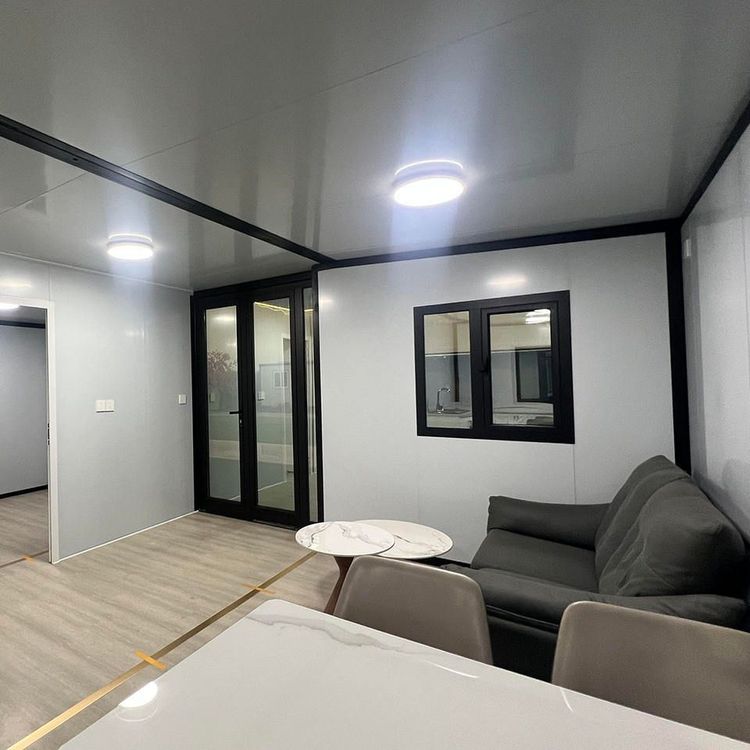
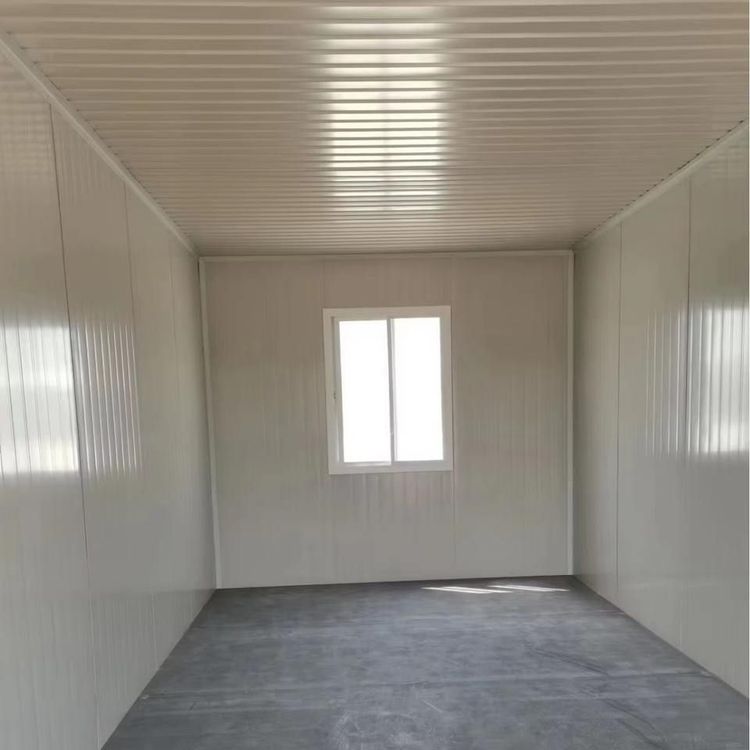
- Rapid Deployment and Retrieval: Products fold to standard container dimensions, expanding 2-3 times in space upon deployment. Lifting and unfolding can be completed within one hour without wet construction processes, supporting repeated reuse.
- Environmental Sustainability: Supporting multiple disassembly and reassembly cycles, leading compliant products average over eight disassembly cycles, reducing construction waste emissions by approximately 90% compared to traditional temporary structures.
III. Diversified Application Scenarios
Container houses have expanded from single engineering applications (e.g., construction site dormitories, temporary offices) to multiple fields:
- Engineering Camps: Multi-container assemblies form functional spaces such as office areas, dormitory zones, and reception areas.
- Cultural Tourism Homestays: Customizable exterior facades adapt to scenarios like vacation homestays and antique-style residences in ancient towns.
- Emergency Response: Rapid deployment capabilities meet post-disaster temporary accommodation needs.
- Overseas Cross-Border Projects: Compliance with international certification standards (e.g., CSA A277 modular product certification) suits green construction requirements in markets like North America and the Middle East.
IV. Industry Development Trends
By 2026, the industry will evolve in three key directions:
- Full Lifecycle Low-Carbonization: Increased adoption of compliant products supporting multiple disassembly cycles will enhance resource utilization.
- Enhanced Cross-Scenario Versatility: Modular assembly and internal functional transformations will adapt to engineering, commercial, cultural tourism, and other scenarios.
- Intelligent Manufacturing Upgrades: China's first steel structure modular intelligent production line achieves ten times the daily output of similar North American factories, with significantly improved manufacturing precision.