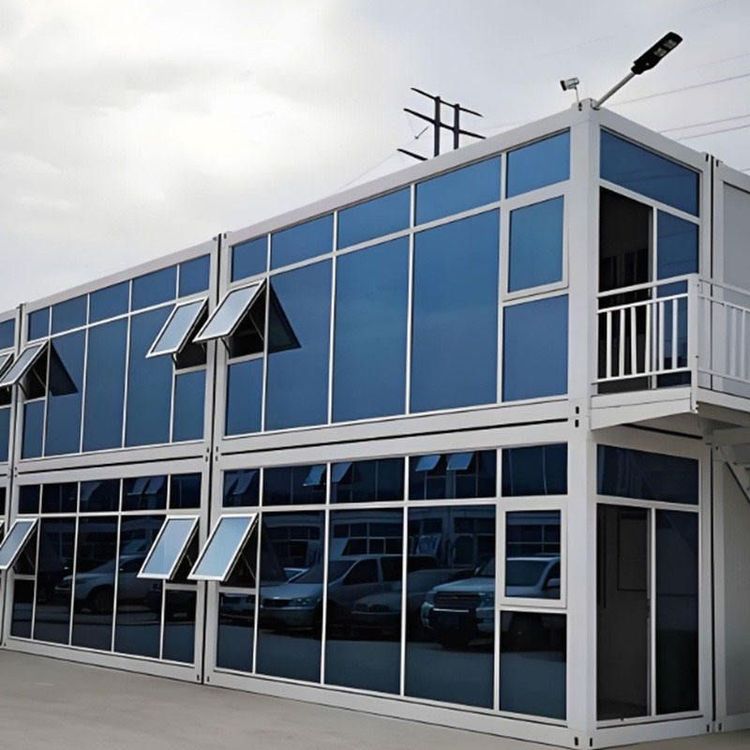
Chongming Container House Use
If container houses in Chongming are transformed into residential structures without approval, they are considered illegal buildings. Here is a detailed explanation:
I. Determination of Illegal Nature
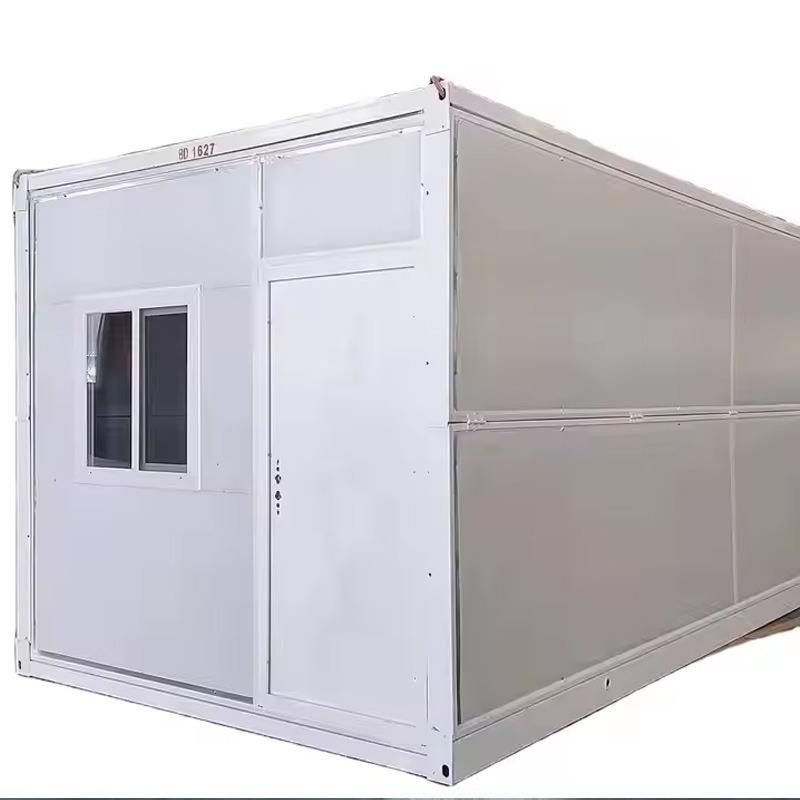
According to Article 65 of the Urban and Rural Planning Law of the People's Republic of China, any construction within township or village planning areas that has not obtained a rural construction planning permit in accordance with the law or has not been constructed in accordance with the permit is considered illegal construction. Container houses that have undergone residential transformation by adding windows, doors, water, electricity, air conditioning, and other facilities now possess residential functions and are equivalent to newly built unlicensed houses. Enforcement cases in Miaozhen, Xianghua Town, and Xinhai Town in Chongming District have clearly identified such transformed containers as illegal buildings.
II. Safety Hazards and Governance Priorities
- Fire and Electrical Risks: Unauthorized wiring and the illegal use of liquefied petroleum gas cylinders can easily lead to fires. For example, among the 26 container sites rectified in Xianghua Town, some had unauthorized wiring issues.
- Structural Safety: Transformed containers may use inferior materials or be improperly reinforced, posing a risk of collapse.
- Environmental and Public Interests: Occupying farmland, public land, or affecting the urban appearance and environment, such as container houses stacked beside farmland in Xinhai Town, which were ordered to be removed.
III. Enforcement Practices and Disposal Measures
- Special Rectification Actions: Multiple towns in Chongming District have launched special rectification actions for container houses transformed into residential structures, disposing of illegal sites through surveys, consultations, and forced demolitions. For example, Xianghua Town adopted measures such as relocation and division for 26 sites and created rolling updated promotional materials with a "one-site, one-card" approach.
- Legal Popularization and Education: Legal knowledge is disseminated through community lectures, promotional videos, and public opinion meetings, emphasizing the costs of illegal activities (such as losses from demolition and operational risks).
- Inter-Departmental Collaboration and Source Control: Multiple parties, including urban management, illegal construction removal offices, police stations, and village committees, collaborate to supervise the entire chain of sales, transformation, and use. For example, enforcement officers in Miaozhen consulted with container owners, forcing them to refund residents' payments and remove the containers.
IV. Compliance Recommendations
If container houses are to be used, the following should be ensured:
- Obtain Permits: Temporary stacking requires registration, and transformation into residential structures requires a rural construction planning permit in accordance with the law.
- Comply with Safety Standards: Avoid unauthorized wiring and illegal gas use, and ensure clear fire exits.
- Avoid Occupying Public Spaces: Do not set up containers arbitrarily in farmland, roads, green spaces, or other areas.