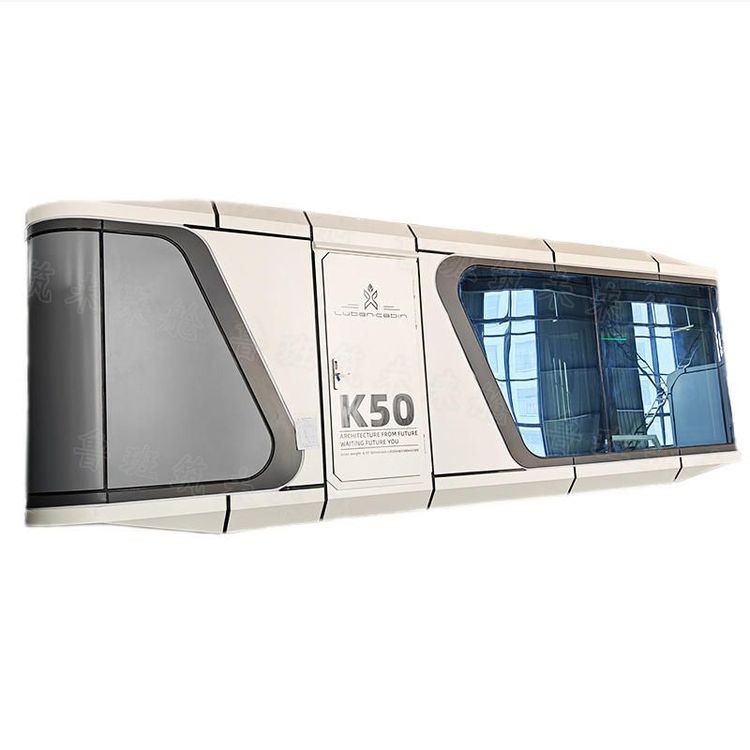
Container House Emergency Plan
The emergency plan for container houses should be formulated in combination with scenarios such as typhoon reinforcement, fire response, and personnel evacuation, covering the entire process of pre-event prevention, in-event handling, and post-event recovery.
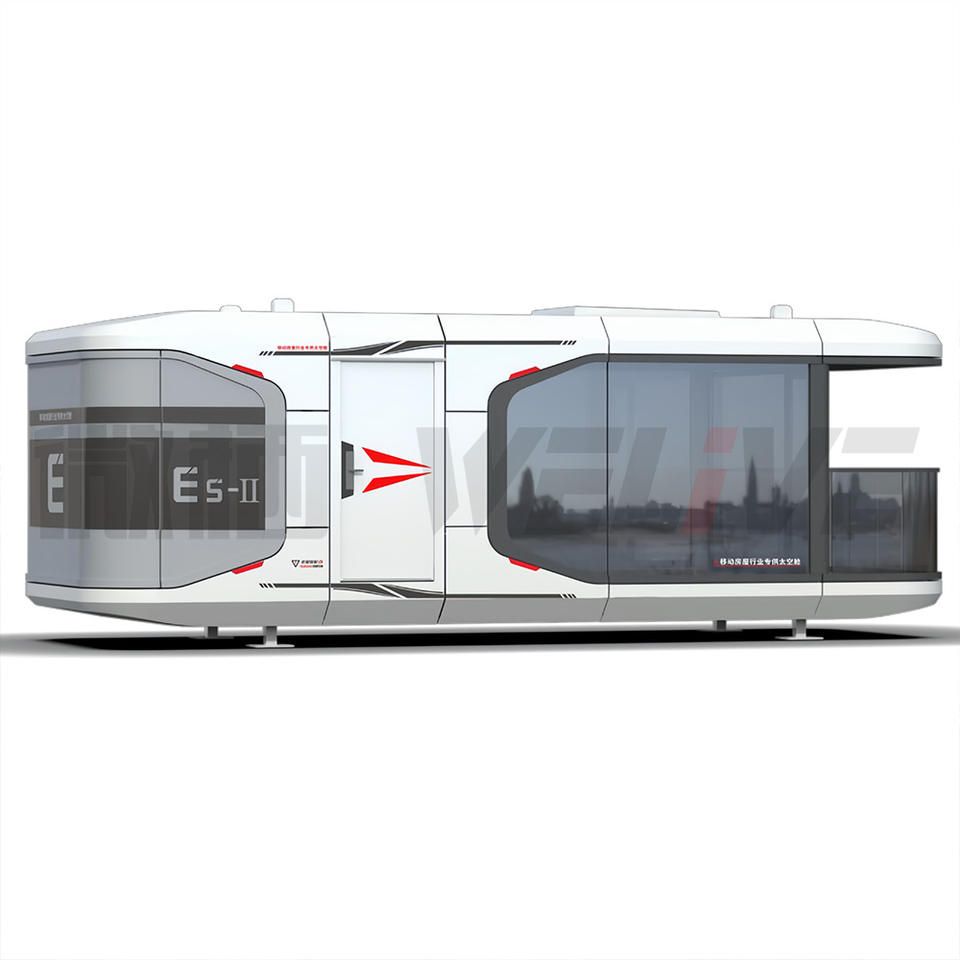
1. Typhoon Weather Emergency Plan
Site and Structural Reinforcement
The storage site should be leveled and hardened (with a concrete thickness of ≥15 cm), and drainage ditches and windbreak barriers (such as windbreak walls or windbreak forests) should be set up around it. Container stacks should not exceed 4 layers. Anti-slip pads should be placed between layers. Horizontal reinforcement should be carried out using binding rods and steel wires (at least 2 per row). The upper and lower layers should be vertically connected with twist locks, and anti-collision columns or sandbags should be set up at the ends. When encountering a typhoon during transportation, the vehicle should stop in a safe area and increase the number and strength of container binding straps.Early Warning Response Mechanism
Upon receiving a typhoon warning, immediately stop operations, comprehensively check reinforcement measures (such as whether twist locks and steel wires are loose), and transfer valuable items to a safe area. Emergency supplies such as flashlights, raincoats, and first-aid medicines should be stocked to ensure basic survival needs in case of emergencies.
2. Fire Emergency Plan
Organizational Structure and Responsibilities
Clarify the members of the emergency command headquarters (such as the Director of the Container Business Division and the Manager of the Engineering Planning Department), who are respectively responsible for the implementation of emergency measures, computer system maintenance, engineering equipment management, etc. For example, the Information Department Manager should ensure the smooth operation of the communication system, and the Engineering Planning Department Manager should be responsible for equipment power-off and the activation of fire-fighting facilities.Emergency Response Procedures
In case of a fire, prioritize the evacuation of personnel to a safe area and turn off the power and gas valves. Use fire extinguishers or fire hydrants to control the fire. If the fire cannot be controlled, immediately call the police and activate the emergency plan. Afterwards, protect the scene, cooperate with the fire department to investigate the cause of the fire, repair damaged structures, and check the effectiveness of reinforcement measures.
3. Personnel Evacuation and Temporary Relocation
Evacuation Conditions and Scope
During typhoon or rainstorm warnings, implement emergency evacuation for temporary residents in simple guard posts, containers, and work sheds, especially those in construction site movable plank houses and container dormitory areas. For example, when a first-level typhoon warning is issued in Tianning District, town and street emergency teams are organized to persuade and relocate relevant personnel.Selection and Management of Relocation Sites
Evacuated personnel should be transferred to temporary relocation sites designated by the government (such as schools and gymnasiums), and basic living supplies (such as food, drinking water, and medical supplies) should be provided. Relocation sites should be equipped with safety management personnel to prevent personnel from returning to dangerous areas.
4. Post-Event Recovery and Summary
After a typhoon or fire, comprehensively check the structural safety of containers and repair damaged components (such as twisted corner fittings and loose twist locks). Summarize the shortcomings in emergency response (such as insufficient material reserves and low evacuation efficiency), update the plan content, and organize drills to improve response capabilities.