Donation of Container Houses to Schools
Donating container houses to schools is a feasible and advantageous move.

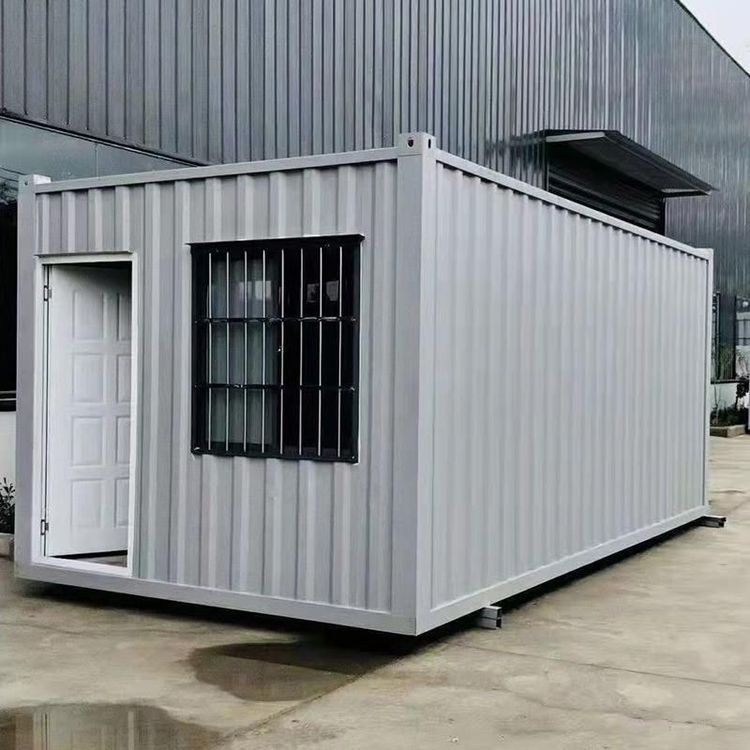
I. Rapid Construction to Meet Urgent Needs Container houses are easy to construct, requiring no building templates or scaffolding, and can be quickly assembled like building blocks. After the Wenchuan earthquake, CIMC invested in the construction of the "Container School"—the modular campus of Yanmen Central School in Wenchuan County, effectively addressing the learning and living needs of approximately 1,000 students in the disaster area. For situations with urgent educational needs, such as damaged original school buildings or tight construction schedules for new schools, container houses can be quickly put into use to ensure the normal conduct of teaching activities.
II. Lower Costs to Save Construction Funds Compared to traditional buildings, container houses are more cost-effective. Traditional construction can cost thousands of yuan per square meter, while container modifications cost only 1,000 to 2,000 yuan per square meter. School construction often requires significant financial investment, and using container houses can save a substantial amount of construction funds while ensuring basic functionality. These savings can be allocated to the purchase of teaching equipment, teacher training, and other areas to improve educational quality.
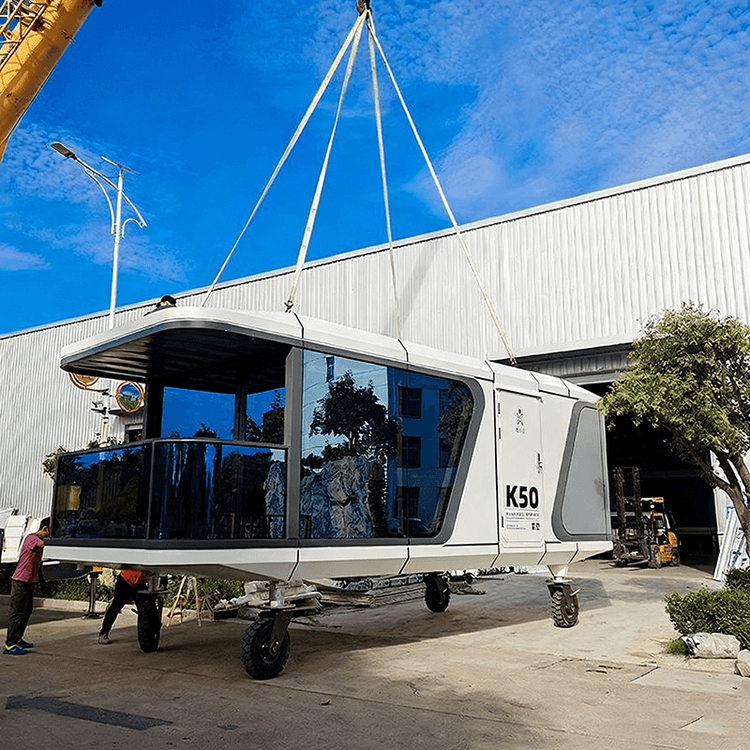
III. Environmentally Friendly and Flexible, Adapting to Different Scenarios Container houses are environmentally friendly and flexible, widely used in temporary housing, creative spaces, post-disaster emergency buildings, and other fields. They are highly mobile, allowing schools to relocate without changing the houses themselves if the school needs to move for development purposes. Additionally, they offer a high degree of customization, enabling them to be painted and modified according to the school's culture and characteristics to create a unique campus environment.
IV. Comprehensive Functions to Ensure a Good User Experience Although container houses are temporary accommodations, they must possess essential functions such as wind resistance, moisture resistance, and thermal insulation. After improvements, modern container houses continuously optimize in terms of thermal insulation performance, energy supply systems, and intelligent management. For example, enhancing thermal insulation through box material and structural design, improving waterproofing with innovative sealing and assembly techniques, and installing air conditioning facilities provide a comfortable user experience for teachers and students.